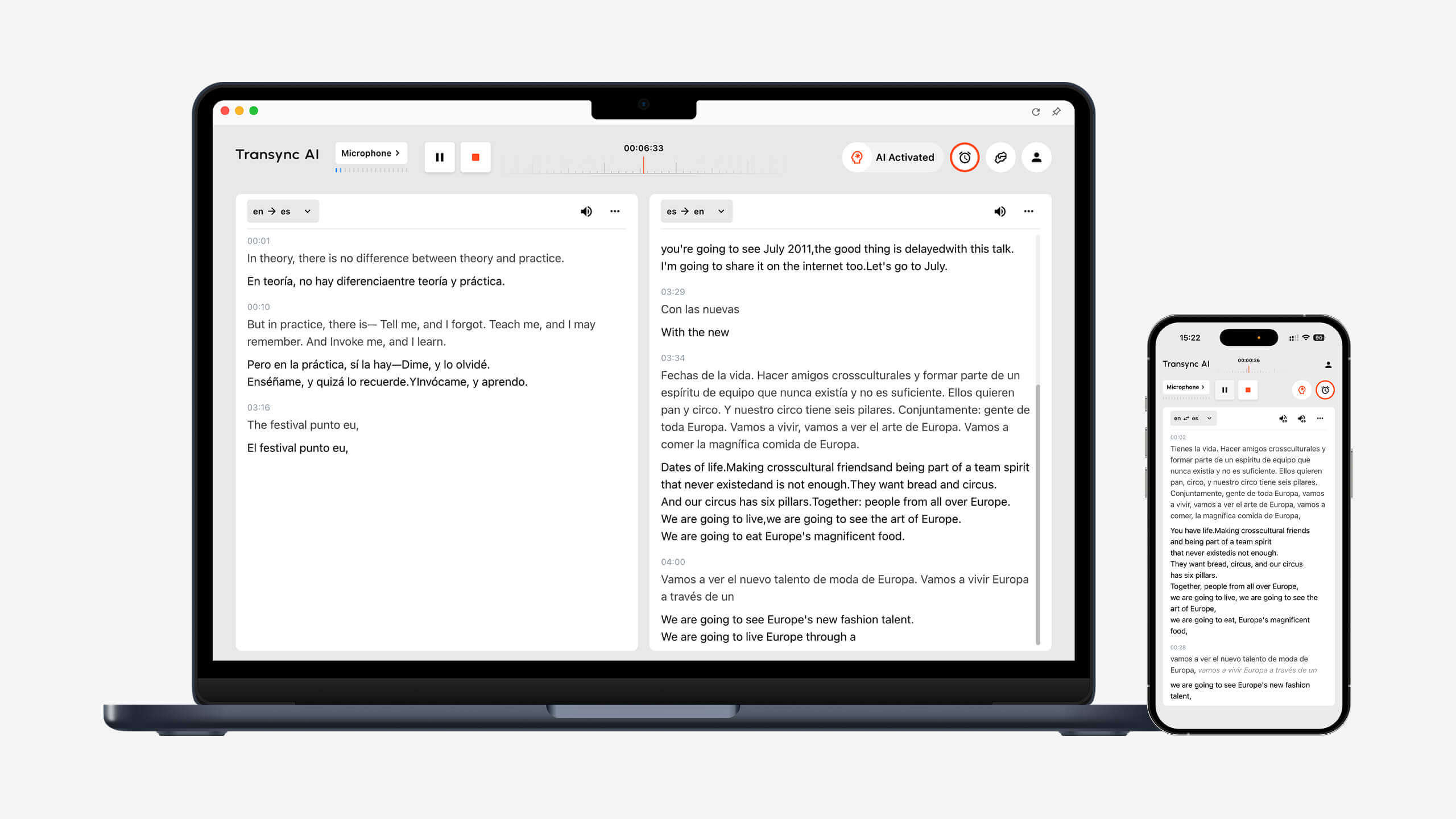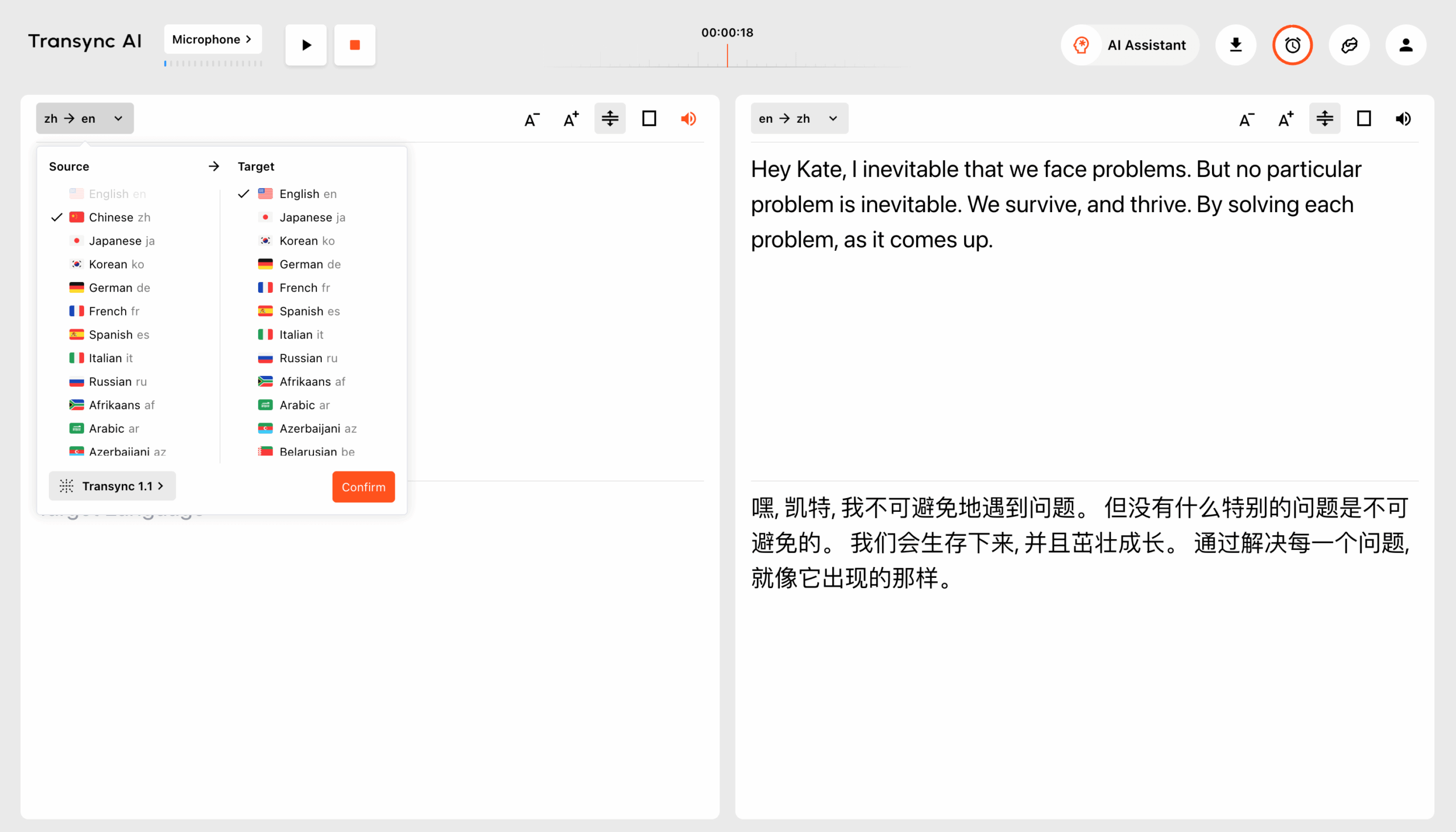
Communication happens in multiple formats. Sometimes you need written translation for documents. Other times you need instant voice translation for live conversations. Choosing between a text and voice translator shouldn’t mean sacrificing either capability.
A comprehensive text and voice translator solution handles both written and spoken language conversion seamlessly. This eliminates the frustration of managing multiple tools, switching between platforms, and dealing with inconsistent quality across different translation types.
This comprehensive guide explores what makes an exceptional text and voice translator, how to leverage both capabilities effectively, and why businesses are consolidating their translation infrastructure around unified text and voice translator platforms.
Understanding Text and Voice Translator Technology
What Is a Text and Voice Translator?
UM text and voice translator is a comprehensive translation platform that combines:
- Text Translation: Converting written content from one language to another
- Voice Translation: Converting spoken language in real-time
- Integrated Experience: Seamless switching between text and voice modes
How a Text and Voice Translator Differs From Separate Tools
| Aspecto | Separate Tools | Text and Voice Translator |
|---|---|---|
| Learning Curve | Multiple interfaces to master | Single unified interface |
| Consistência | Different quality across tools | Consistent quality across modes |
| Context Sharing | Manual context re-entry | Automatic context transfer |
| Terminology | Inconsistent term translation | Unified terminology database |
| Cost | Multiple subscriptions | Single subscription |
| Workflow | Constant tool switching | Seamless transitions |
| Integração | Limited cross-tool integration | Deep platform integration |
A quality text and voice translator eliminates these friction points by providing unified functionality.
The Evolution of Text and Voice Translator Technology
Early text and voice translator solutions were basic and unreliable. Modern platforms like Transync AI represent a quantum leap in capability:
- Generation 1: Separate text and voice tools (2010-2015)
- Generation 2: Basic integration attempts (2015-2018)
- Generation 3: Unified platforms with context sharing (2018-2022)
- Generation 4: Alimentado por IA text and voice translator with context learning (2022-present)
Feature 1: Unified Terminology Database – Consistency Across Modes
The Terminology Challenge
When you use separate text and voice tools, they often translate the same term differently:
- Seu text and voice translator might render “bank” as “banco” in text mode
- But the voice component translates it as “ribera” (riverbank) in speech
This inconsistency damages credibility and creates confusion.
How a Unified Text and Voice Translator Solves This
A comprehensive text and voice translator maintains a single terminology database. When you define how to translate specific terms:
- O text and voice translator applies these definitions consistently
- Both text and voice modes use identical terminology
- Industry jargon remains consistent
- Company names translate identically
- Product names stay uniform
Building Your Terminology Database
In Transync AI’s text and voice translator, you can define:
Business Terminology:
- “quarterly earnings call” → “llamada de ganancias trimestrales”
- “market share” → “cuota de mercado”
- “shareholder value” → “valor para el accionista”
Technical Terms:
- “API endpoint” → “punto final de API”
- “machine learning” → “aprendizaje automático”
- “cloud infrastructure” → “infraestructura en la nube”
Company-Specific:
- “Transync AI” → remains “Transync AI”
- “Product X” → translates as specified
- “Department Y” → translates as specified
The Impact of Consistent Terminology
When your text and voice translator maintains consistency:
- ✅ Professional credibility increases
- ✅ Team communication improves
- ✅ Customer understanding deepens
- ✅ Compliance documentation aligns
- ✅ Brand terminology stays intact
Feature 2: Seamless Mode Switching – From Text to Voice Instantly
The Real-World Workflow
Imagine this scenario: You’re reading a document in Spanish using your text and voice translator. A Spanish colleague calls. You need to switch to voice translation instantly without losing context.
With separate tools, this requires:
- Close text translation tool
- Open voice translation tool
- Re-enter context information
- Start conversation
With a unified text and voice translator, you simply:
- Click the voice button
- Start speaking
- Context carries over automatically
How Transync AI’s Text and Voice Translator Handles Switching

Transync AI text and voice translator maintains full context across modes:
Context Persistence:
- Keywords defined for text mode → automatically available in voice mode
- Industry context → applies to both text and voice
- Terminology database → shared across all modes
- Meeting history → accessible from any mode
Integração perfeita:
- Switch between text and voice mid-conversation
- Combine text input with voice output
- Use voice input with text display
- Mix modes based on situation
Practical Applications
UM text and voice translator with seamless mode switching enables:
Sales Scenario:
- Morning: Review Spanish sales proposal (text mode)
- Afternoon: Present to Spanish client (voice mode)
- Evening: Email follow-up (text mode)
- All with consistent terminology and context
Healthcare Scenario:
- Morning: Review patient records in Spanish (text mode)
- Afternoon: Consult with Spanish-speaking patient (voice mode)
- Evening: Document findings (text mode)
- Consistent medical terminology throughout
Feature 3: Context Learning Across Text and Voice
The Context Problem
Genérico text and voice translator solutions don’t understand your specific context:
- They don’t know you work in renewable energy
- They don’t understand your company’s terminology
- They can’t distinguish between technical and casual usage
- They miss industry-specific nuances
This leads to poor translation accuracy in both text and voice modes.
How Context Learning Works in a Text and Voice Translator
Avançado text and voice translator platforms like Transync AI learn from your usage:
Automatic Learning:
- Each translation you confirm → improves future translations
- Terminology you define → applies automatically
- Corrections you make → inform the system
- Patterns you establish → become defaults
Manual Configuration:
- Specify your industry
- Define your role
- Describe meeting topics
- Provide background context
The Accuracy Improvement
When a text and voice translator learns your context:
- Generic accuracy: 75-80%
- With context: 95%+
This 20% improvement transforms the quality of both text and voice translation.
Context Sharing Between Modes
The power of a unified text and voice translator is context sharing:
Define Once, Use Everywhere:
- Define keywords in text mode → automatically available in voice
- Provide context for voice calls → improves text translation
- Confirm translations in either mode → improves both
This efficiency means your text and voice translator improves faster and delivers better results.
Feature 4: Document Translation Meets Real-Time Voice

The Complementary Nature of Text and Voice Translation
UM text and voice translator isn’t choosing between document translation and live conversation—it’s leveraging both:
Text Translation Strengths:
- Perfect for documents and written records
- Time for careful, nuanced translation
- Suitable for legal and compliance content
- Enables translation review before use
Voice Translation Strengths:
- Perfect for real-time communication
- Immediate response to spontaneous conversation
- Maintains natural dialogue flow
- Captures emotional tone
How a Text and Voice Translator Combines Both
Consider this workflow: A text and voice translator enables you to:
- Pre-Meeting: Translate meeting agenda (text mode)
- During Meeting: Real-time conversation translation (voice mode)
- Post-Meeting: Translate meeting notes (text mode)
All with consistent terminology and context.
Document Types a Text and Voice Translator Handles
A comprehensive text and voice translator manages:
Before Meetings:
- Agendas and background materials
- Participant bios
- Technical specifications
- Strategic objectives
During Meetings:
- Tradução de voz em tempo real
- Automatic transcription
- Live caption generation
- Simultaneous interpretation
After Meetings:
- Meeting notes translation
- Action items documentation
- Follow-up communications
- Compliance documentation

Feature 5: Platform Integration – Text and Voice Translator Everywhere
The Integration Imperative
UM text and voice translator is only useful if it integrates with tools you actually use:
- Email clients
- Document platforms
- Software de reunião
- Chat applications
- Project management tools
Where Text and Voice Translator Integration Matters
Email Integration: Seu text and voice translator should:
- Translate incoming emails automatically
- Suggest translations for outgoing emails
- Maintain terminology consistency
- Preserve formatting
Document Platform Integration: Seu text and voice translator should:
- Translate documents in-place
- Support collaborative editing
- Maintain formatting and structure
- Enable version tracking
Meeting Platform Integration: Seu text and voice translator should:
- Fornecer tradução de voz em tempo real
- Generate automatic captions
- Create transcripts in both languages
- Enable multi-participant translation
Chat Integration: Seu text and voice translator should:
- Translate messages instantly
- Support voice message translation
- Enable code-switching
- Maintain conversation history
Feature 6: AI Meeting Documentation – Automatic Records
The Documentation Challenge
After a multilingual meeting translated by your text and voice translator, you need:
- Meeting transcripts in both languages
- Resumo dos pontos principais
- Lista de itens de ação
- Decision documentation
- Follow-up tasks
Manually creating this documentation takes hours.
How a Text and Voice Translator Automates Documentation
Avançado text and voice translator platforms like Transync AI automatically:
Transcription:
- Record entire conversation
- Generate transcripts in original language
- Generate transcripts in translated language
- Make transcripts searchable
Analysis:
- Extract key decisions
- Identify action items
- Highlight important points
- Flag follow-up items
Documentação:
- Create meeting summaries
- Generate action item lists
- Compile decision logs
- Produce compliance records
The Value of Automated Documentation
When your text and voice translator includes AI documentation:
- ✅ Save 2-3 hours per meeting
- ✅ Ensure no details are missed
- ✅ Create accountability through documented items
- ✅ Enable team review at their own pace
- ✅ Provide searchable records for future reference
Use Cases: Where Text and Voice Translator Excels
Negociações Comerciais Internacionais
The Scenario: You’re negotiating a contract with a German supplier. You need to review documents in German (text mode) and conduct video calls in real-time (voice mode).
How Text and Voice Translator Helps:
- Review contract terms using text translation
- Conduct negotiations with real-time voice translation
- Maintain consistent terminology throughout
- Document agreements with automatic transcription
- Create multilingual records for compliance
Multilingual Customer Support
The Scenario: Your support team handles customers in English, Spanish, French, and Mandarin. You need to respond to written inquiries and conduct support calls.
How Text and Voice Translator Helps:
- Translate incoming emails instantly
- Conduct support calls with real-time voice translation
- Maintain consistent support terminology
- Generate support documentation
- Train new team members with translation support
Global Research Collaboration
The Scenario: You’re collaborating with researchers across Japan, Brazil, and France. You need to share documents and conduct regular video meetings.
How Text and Voice Translator Helps:
- Share and translate research documents
- Conduct multilingual team meetings
- Maintain consistent terminology across languages
- Create meeting records for research documentation
- Facilitate knowledge sharing across language barriers
Telemedicine Across Borders
The Scenario: You’re providing medical consultation to patients in Spanish-speaking countries. You need to review medical records and conduct consultations.
How Text and Voice Translator Helps:
- Review patient records in Spanish (text mode)
- Conduct consultations in real-time (voice mode)
- Maintain medical terminology consistency
- Generate medical documentation
- Ensure compliance with healthcare requirements
International Education
The Scenario: You’re teaching a course with students from multiple countries. You need to provide materials in multiple languages and conduct interactive sessions.
How Text and Voice Translator Helps:
- Translate course materials automatically
- Conduct multilingual classroom discussions
- Maintain consistent academic terminology
- Generate multilingual lecture notes
- Support diverse learning styles
Comparison: Text and Voice Translator Solutions
| Recurso | Transync AI | Google Tradutor | DeepL | Professional Services |
|---|---|---|---|---|
| Tradução de texto | ✅ Sim | ✅ Sim | ✅ Sim | ✅ Sim |
| Tradução de voz | ✅ Sim | ✅ Sim | ❌ Não | ✅ Sim |
| Unified Platform | ✅ Sim | ⚠️ Parcial | ❌ Não | ❌ Separate |
| Aprendizagem contextual | ✅ Sim | ❌ Não | ❌ Não | ✅ Sim |
| Terminology Database | ✅ Sim | ❌ Não | ❌ Não | ✅ Sim |
| Latência em tempo real | <100ms | 2-3s | N/A | 3-5s |
| Qualidade da voz | Natural | Robótica | N/A | Human |
| Integração de plataforma | ✅ Extensive | ⚠️ Limitado | ⚠️ Limitado | N/A |
| AI Documentation | ✅ Sim | ❌ Não | ❌ Não | ❌ Não |
| Precisão | 95%+ | 75-80% | 90-95% | 99%+ |
How to Implement a Text and Voice Translator
Step 1: Assess Your Translation Needs
Pergunte a si mesmo:
- What percentage of my communication is text vs. voice?
- Which languages do I need?
- What industries/terminology are critical?
- How important is consistency across modes?
- What platforms do I use daily?
Step 2: Evaluate Text and Voice Translator Options
For each candidate text and voice translator, assess:
- Text Quality: Accuracy, formatting preservation, terminology handling
- Voice Quality: Latency, voice naturalness, accuracy
- Context Learning: How well does it learn your terminology?
- Integration: Does it work with your existing tools?
- Documentação: Does it automate meeting records?
Step 3: Test With Real Scenarios
Before committing to a text and voice translator:
- Translate actual documents you use
- Conduct test calls with native speakers
- Verify terminology consistency
- Test in your actual meeting platforms
- Check documentation quality
Step 4: Configure Your Text and Voice Translator
Once you choose, configure:
- Define keywords and terminology
- Specify industry context
- Set up platform integrations
- Configure documentation preferences
- Treine sua equipe
Etapa 5: Monitorar e otimizar
Métricas de acompanhamento:
- Translation accuracy in text mode
- Voice translation latency
- Terminology consistency
- User satisfaction
- Time saved on documentation
FAQ: Text and Voice Translator Questions
Q: What’s the best text and voice translator for business?
A: Transync AI offers the best combination of text and voice capabilities, context learning, platform integration, and AI documentation. It’s specifically designed for professional multilingual communication.
Q: Can a text and voice translator replace professional translators?
A: For routine business communication, yes. For critical legal documents or medical consultations, professional translators remain superior due to expertise and certification.
Q: How accurate is a text and voice translator?
A: Accuracy varies: Google Translate (75-80%), DeepL for text (90-95%), Transync AI (95%+ with context), professional translators (99%+).
Q: Does a text and voice translator maintain terminology consistency?
A: Quality text and voice translator solutions like Transync AI maintain unified terminology databases, ensuring consistency across text and voice modes.
Q: How does a text and voice translator handle technical jargon?
A: Advanced text and voice translator platforms let you define technical terminology, which then applies consistently across both text and voice translation.
Q: Can I use a text and voice translator for legal documents?
A: For routine legal communication, yes. For official legal documents requiring certification, use professional translators. A text and voice translator is excellent for supporting communication.
Q: What languages does a text and voice translator support?
A: Transync AI supports 60+ languages. Google Translate supports 100+. Choose based on your specific language needs.
Q: How does a text and voice translator improve over time?
A: Quality text and voice translator platforms like Transync AI learn from your usage, terminology definitions, and corrections, continuously improving accuracy.
Common Mistakes When Using a Text and Voice Translator
❌ Mistake 1: Using Separate Text and Voice Tools
Problema: Separate tools create inconsistent terminology and require constant switching.
Solução: Choose a unified text and voice translator that maintains consistency across modes.
❌ Mistake 2: Not Defining Terminology
Problema: Without defined terminology, your text and voice translator produces inconsistent results.
Solução: Invest time defining keywords and terminology. This improves accuracy from 80% to 95%+.
❌ Mistake 3: Ignoring Platform Integration
Problema: UM text and voice translator that doesn’t integrate with your tools creates workflow friction.
Solução: Choose a text and voice translator that integrates with platforms you use daily.
❌ Mistake 4: Not Testing Before Important Communication
Problema: Using a text and voice translator for the first time during critical communication often produces poor results.
Solução: Always test with native speakers before relying on text and voice translator for important communication.
❌ Mistake 5: Failing to Leverage Documentation Features
Problema: Not using automated documentation means manual transcription and note-taking.
Solução: Configure your text and voice translator to automatically generate meeting records and documentation.
Industry-Specific Text and Voice Translator Applications
Finance and Banking
Finance professionals use text and voice translator para:
- Client advisory calls (voice mode)
- Contract review (text mode)
- Trading communications (voice mode)
- Compliance documentation (text mode)
Benefit: Faster deal closure, reduced compliance risk
Assistência médica
Healthcare providers use text and voice translator para:
- Patient consultations (voice mode)
- Medical record review (text mode)
- Telemedicine appointments (voice mode)
- Treatment documentation (text mode)
Benefit: Improved patient outcomes, compliance adherence
Technology and Engineering
Tech teams use text and voice translator para:
- Technical documentation (text mode)
- Engineering calls (voice mode)
- Code review discussions (voice mode)
- Specification translation (text mode)
Benefit: Faster development, better collaboration
Education and Research
Academic institutions use text and voice translator para:
- Research paper translation (text mode)
- International conference participation (voice mode)
- Student support (both modes)
- Knowledge sharing (both modes)
Benefit: Enhanced global collaboration
Vendas e Marketing
Sales teams use text and voice translator para:
- Proposal translation (text mode)
- Sales calls (voice mode)
- Marketing content (text mode)
- Customer communication (both modes)
Benefit: Expanded market reach, higher conversion rates
The Future of Text and Voice Translator Technology
A Gartner prevê that by 2026, 85% of enterprises will use unified text and voice translator solutions for multilingual communication. Emerging trends include:
- Detecção de emoções: Text and voice translator that captures emotional tone
- Adaptação Cultural: Text and voice translator that adjusts for cultural context
- Accent Neutralization: Text and voice translator that clarifies accents
- Real-Time Transcription: Text and voice translator that creates searchable records automatically
- Tradução preditiva: Text and voice translator that anticipates communication needs
Transync AI continues advancing its text and voice translator platform to lead these innovations.
Best Practices for Text and Voice Translator Success
✅ Choose a unified platform – Avoid separate text and voice tools
✅ Define terminology upfront – Improves accuracy across modes
✅ Leverage context learning – Allows your text and voice translator to improve over time
✅ Integrate with existing tools – Seamless workflow without friction
✅ Test with native speakers – Verify quality before important use
✅ Configure documentation – Automate meeting records and notes
✅ Treine sua equipe – Ensure proper usage and adoption
✅ Monitor consistency – Verify terminology remains uniform across modes
Pricing Considerations: Text and Voice Translator Investment
When evaluating text and voice translator solutions, consider:
Subscription Models: Different text and voice translator platforms offer various pricing approaches. Some use monthly subscriptions, while others offer flexible usage-based models. Transync AI, for example, offers affordable subscription options that provide excellent value for both individual and enterprise users.
What’s Included: Compare what each text and voice translator inclui:
- Text translation capability
- Voice translation capability
- Number of supported languages
- Platform integrations
- AI documentation features
- Context learning capabilities
- Support quality
Total Cost of Ownership: Beyond subscription cost, consider:
- Implementation time
- Training requirements
- Productivity gains
- Professional translator costs saved
- Accuracy-related rework reduced
- Opportunity cost of delays eliminated
ROI Timeline: Most organizations see positive ROI from text and voice translator implementation within weeks through:
- Comunicação mais rápida
- Reduced professional translator costs
- Improved team productivity
- Expanded market reach
- Enhanced customer satisfaction
Conclusion: Unified Text and Voice Translator Solutions
The days of managing separate text and voice translation tools are ending. A comprehensive text and voice translator that handles both written and spoken language with consistency, accuracy, and seamless integration is now essential for any organization communicating across language barriers.
For complete multilingual communication, Transync AI represents the gold standard in text and voice translator technology. With unified terminology databases, seamless mode switching, context learning, extensive platform integration, and AI meeting documentation, Transync AI’s text and voice translator enables the kind of consistent, professional multilingual communication that builds trust and drives results.
For organizations seeking efficiency, a unified text and voice translator eliminates the friction of managing multiple tools, reduces terminology inconsistencies, and streamlines workflows across all communication modes.
Qual a abordagem inteligente? Consolidate your translation infrastructure around a unified text and voice translator platform that handles all your multilingual communication needs. Use professional translators only for specialized situations requiring certification or expertise.
Ready to unify your multilingual communication? Discover how Transync AI’s text and voice translator can transform your organization’s communication across all languages and formats.
Master every form of communication. Choose Transync AI—the text and voice translator that delivers consistency, accuracy, and seamless integration across all your multilingual needs.

Se você quer uma experiência de última geração, Transync AI lidera o caminho com tradução em tempo real, impulsionada por IA, que mantém as conversas fluindo naturalmente. Você pode experimente grátis agora.