

Utilizzate la traduzione automatica basata sull'IA in modo intelligente, tenendo conto di 7 decisioni pratiche che riguardano il parlato in tempo reale, i documenti, il contesto, le riunioni, la sicurezza, i prezzi e la revisione umana.
La traduzione automatica tramite intelligenza artificiale non è più una semplice casella di testo. Può tradurre un documento, interpretare una riunione in diretta, localizzare migliaia di descrizioni di prodotti, fornire risposte tradotte o aiutare il pubblico a seguire una presentazione in diverse lingue. Questi compiti possono sembrare simili, ma richiedono flussi di lavoro molto diversi.
Ecco perché scegliere uno strumento chiedendosi "Qual è il traduttore più preciso?" spesso porta a un acquisto errato. La domanda più utile è: "Cosa deve accadere prima, durante e dopo la traduzione affinché questa comunicazione abbia successo?".“
Questa guida decisionale confronta Transync AI, DeepL, Traduzione di Google Cloud, E Traduttore AI di Microsoft Azure. Invece di classificarle dalla prima alla quarta, associa ogni forma di traduzione basata sull'IA al compito per cui è più adatta.
La risposta breve
Utilizzo Transync AI Quando la comunicazione verbale è in corso: una chiamata con un cliente, una riunione ibrida, una lezione, una sessione di formazione o una presentazione multilingue. Integra sottotitoli in tempo reale, traduzione vocale, contesto terminologico e registrazioni successive alla conversazione.
Utilizzo DeepL quando la traduzione di testi o documenti rifiniti è al centro del flusso di lavoro. Utilizzare Traduzione di Google Cloud quando gli sviluppatori necessitano di un livello di traduzione scalabile, terminologia personalizzata, elaborazione batch o integrazione con un sistema cloud più ampio. Utilizzare Traduttore AI di Microsoft Azure quando la traduzione deve essere inserita all'interno di un sistema esistente Microsoft O Azzurro architettura applicativa.
Il miglior prodotto di traduzione automatica basato sull'IA non è quindi universale. È il prodotto i cui input, output, velocità, modello di collaborazione e processo di revisione corrispondono al tuo specifico compito.
Inizia da qui: associa il lavoro al flusso di lavoro
| Lavoro di traduzione | Ottimo punto di partenza | Perché è adatto | Domanda principale da testare |
|---|---|---|---|
| Riunione multilingue bidirezionale | Transync AI | Sottotitoli bilingue in tempo reale, traduzione vocale, contesto e verbali delle riunioni. | Entrambe le parti possono rispondere in modo naturale? |
| Presentazione da uno a molti | Modalità di presentazione Transync AI | Il pubblico si collega da dispositivi personali e seleziona una lingua abilitata | È semplice per il pubblico partecipare? |
| Traduzione di documenti aziendali | DeepL | Strumenti di traduzione e personalizzazione focalizzati sui documenti | Il layout e la terminologia sono stati mantenuti? |
| Integrazione con siti web o app | Traduzione di Google Cloud | API, traduzione in batch, glossari e opzioni del modello | Il team è in grado di gestire e monitorare l'integrazione? |
| Traduzione all'interno di uno stack Azure | Traduttore AI di Microsoft Azure | API cloud e integrazione con i servizi Microsoft | È conforme alle norme esistenti in materia di identità, sicurezza e implementazione? |
| Comunicazione legale o medica ad alto rischio | Interprete o traduttore umano con l'ausilio dell'intelligenza artificiale | Responsabilità degli esperti e giudizio contestuale | Chi esamina la situazione e se ne assume la responsabilità? |
Questa tabella è un punto di partenza, non un sostituto dei test. La disponibilità delle lingue, le funzionalità, i prezzi e la gestione dei dati possono variare in base al prodotto, al piano, alla regione e alla modalità di implementazione.
Decisione 1: Stai traducendo un discorso, un testo o un'esperienza completa?
La prima decisione di un sistema di traduzione basato sull'IA riguarda l'input e il risultato. Una frase incollata in un browser è un'attività di testo. Un contratto con formattazione e termini definiti è un'attività di documento. Una negoziazione dal vivo è un'esperienza comunicativa che coinvolge microfoni, latenza, alternanza dei turni, sottotitoli, riproduzione vocale e follow-up.
Molti risultati deludenti derivano dall'utilizzo di un prodotto valido per la categoria sbagliata. Un traduttore di testo può produrre una frase elegante, ma non offrire un modo pratico per far parlare due persone in modo naturale. Un interprete per riunioni può aiutare tutti a capire una chiamata, ma non è pensato per localizzare un manuale di 200 pagine preservandone ogni elemento.
Prima di confrontare i marchi, descrivi la posizione lavorativa in una sola frase:
Dobbiamo tradurre [input] per [pubblico] entro [limite di tempo], consegnarlo come [output] e conservare [registrazione o approvazione].
Ad esempio: "Dobbiamo tradurre una telefonata di vendita in inglese dal vivo per un acquirente giapponese, riducendo al minimo le difficoltà di conversazione, con sottotitoli bilingue, voce tradotta e note successive". Questa definizione indica la necessità di un software di traduzione basato sull'intelligenza artificiale e focalizzato sulle riunioni, piuttosto che sui documenti.
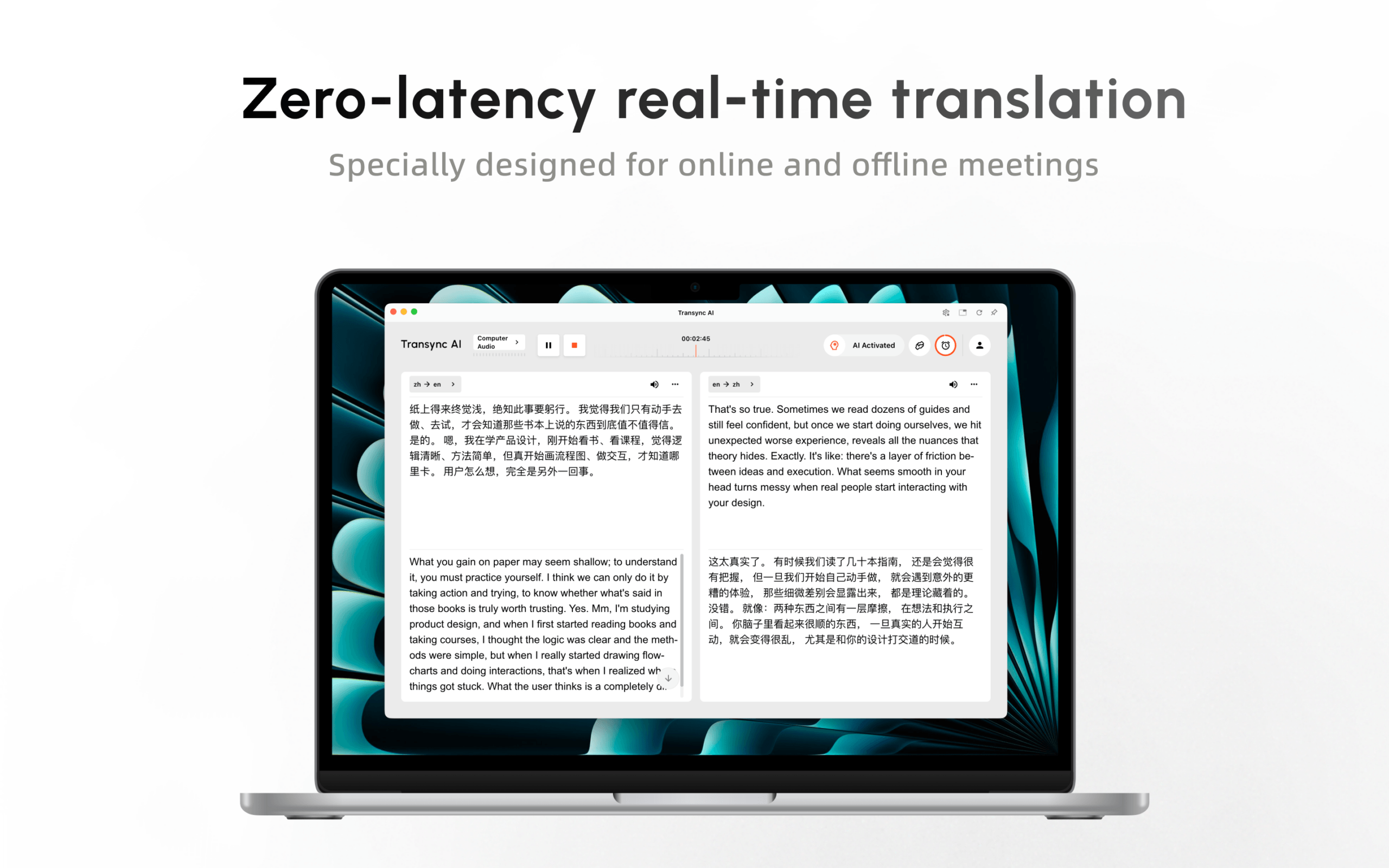
Transync AI è costruito attorno alla comunicazione orale dal vivo. traduzione in tempo reale Il sistema presenta il testo originale e la traduzione man mano che la conversazione si sviluppa, aiutando i partecipanti a verificare il significato anziché dover attendere un documento a posteriori.
Prova Transync AI gratuitamente
Decisione 2: La velocità è parte integrante della precisione?
Nel caso di un documento, attendere un altro minuto può essere accettabile. In una riunione, un lungo ritardo può rendere inutilizzabile una traduzione altrimenti accurata. Le persone iniziano a parlare sopra la traduzione, a rispondere alla frase sbagliata o ad abbreviare i propri pensieri, finché la conversazione non perde di significato.
Quando si valuta la traduzione automatica in tempo reale tramite IA, è opportuno misurare i tempi in tre momenti diversi:
- Quanto velocemente il parlato originale viene trasformato in testo leggibile.
- Quanto velocemente il sottotitolo tradotto diventa comprensibile.
- Quanto velocemente termina la traduzione vocale prima che la persona successiva possa rispondere.
Non limitatevi a provare un monologo preparato a memoria. Utilizzate due oratori, correzioni, date, numeri e interruzioni. Collegate le stesse cuffie e lo stesso software di videoconferenza utilizzati dal team reale. La qualità della rete e l'instradamento audio possono influenzare l'esperienza tanto quanto il modello di traduzione.
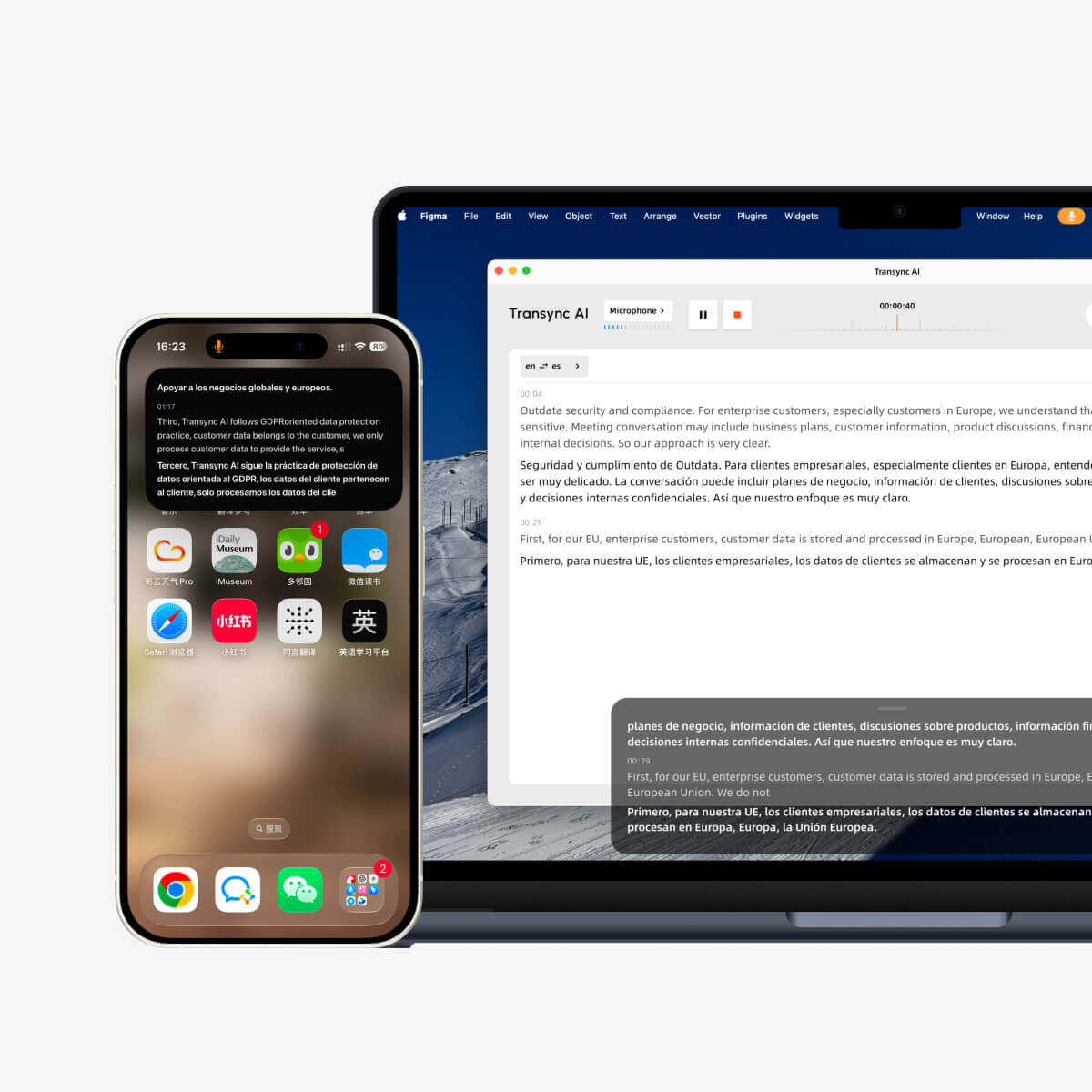
Transync AI aggiunge un Traduttore vocale AI al flusso di lavoro dei sottotitoli, in modo che i partecipanti possano ascoltare oltre che leggere. Il suo Sottotitoli bilingue Picture-in-Picture può rimanere visibile sopra un'altra applicazione supportata, aiutando gli utenti a rimanere concentrati sulla chiamata anziché cambiare ripetutamente finestra.
Sottotitoli fluttuanti in tempo reale su dispositivi desktop e mobili.
Nel caso di testo asincrono, la latenza assume un significato diverso. DeepL Possono essere più adatti quando l'obiettivo è un documento rifinito, mentre le API cloud sono utili quando migliaia di stringhe brevi devono transitare attraverso un sistema automatizzato. Il concetto di "veloce" deve essere definito in relazione al lavoro da svolgere.
Decisione 3: Quanto contesto riceve il sistema?
Un motore di traduzione basato sull'intelligenza artificiale vede solo ciò che gli viene fornito dal flusso di lavoro. Se un oratore dice "Mercurio", il significato inteso potrebbe essere un pianeta, un elemento, un marchio, il nome di un progetto o una persona. Una traduzione tecnicamente impeccabile può comunque risultare errata per l'organizzazione.
Creare un set di test contenente:
- Nomi di prodotti e aziende.
- Acronimi utilizzati dal team.
- Frasi di settore con più di un significato comune.
- Nomi dei clienti e posizioni geografiche.
- Unità di misura, valute, date e numeri di versione.
- Frasi il cui significato dipende dalla frase precedente.
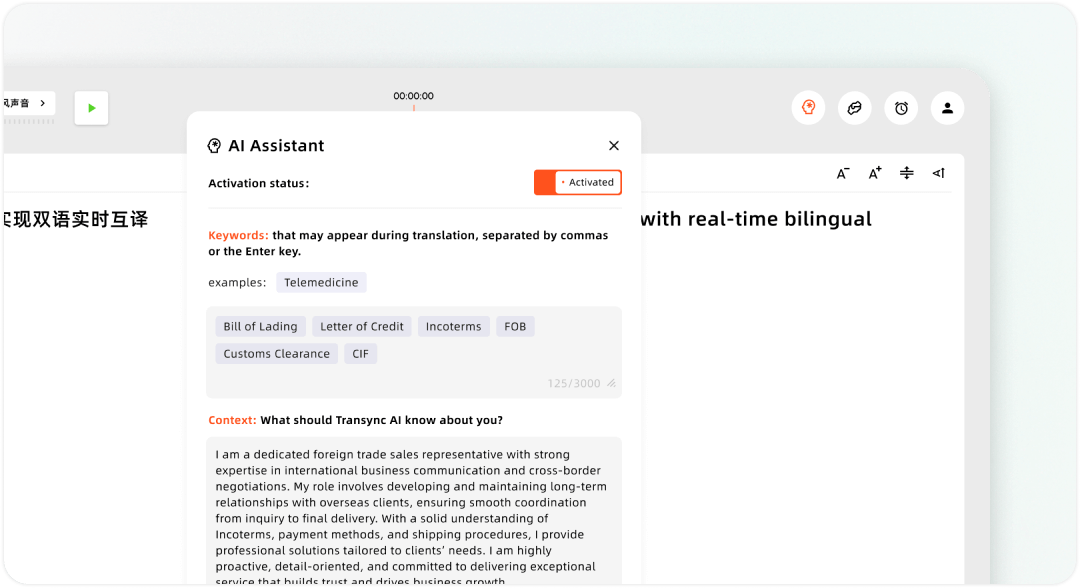
Transync AI consente agli utenti di fornire parole chiave e informazioni contestuali Prima di una conversazione. Questo è utile per le riunioni in cui la stessa terminologia ricorre ripetutamente. La preparazione è minima, ma può impedire che il nome di un progetto venga tradotto come un nome comune.
Configurazione del contesto di traduzione personalizzato e delle parole chiave del settore in Transync AI Assistant
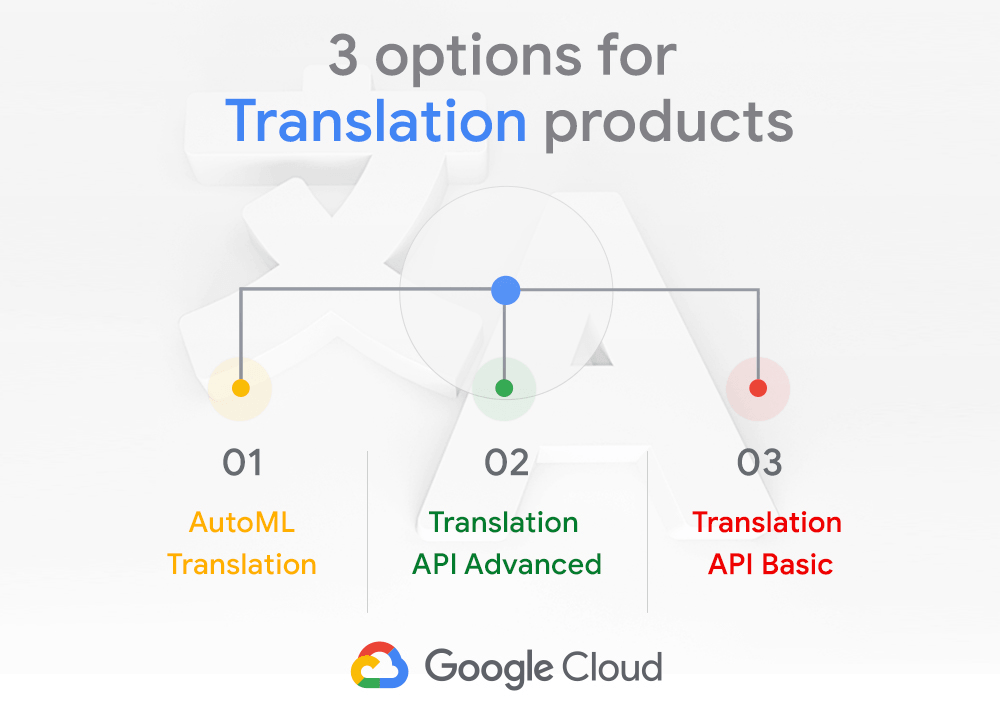
Traduzione di Google Cloud Supporta diversi approcci per gli sviluppatori di applicazioni. La sua documentazione attuale distingue un'API di base che utilizza la traduzione automatica neurale da un'API avanzata con opzioni standard e di traduzione LLM. Le funzionalità avanzate includono glossari, traduzione di documenti e in batch, traduzione in tempo reale e personalizzazione. Tale flessibilità è preziosa, ma un'organizzazione ha comunque bisogno di sviluppatori e di un processo di qualità per trasformare un'API in un prodotto affidabile.
Esplora Google Cloud Translation
DeepL Offre agli sviluppatori opzioni per la traduzione di testi e documenti e descrive la personalizzazione tramite glossari, regole di stile e memorie di traduzione. Questi controlli sono rilevanti per i team di localizzazione che necessitano di mantenere la coerenza del linguaggio in numerosi contenuti.
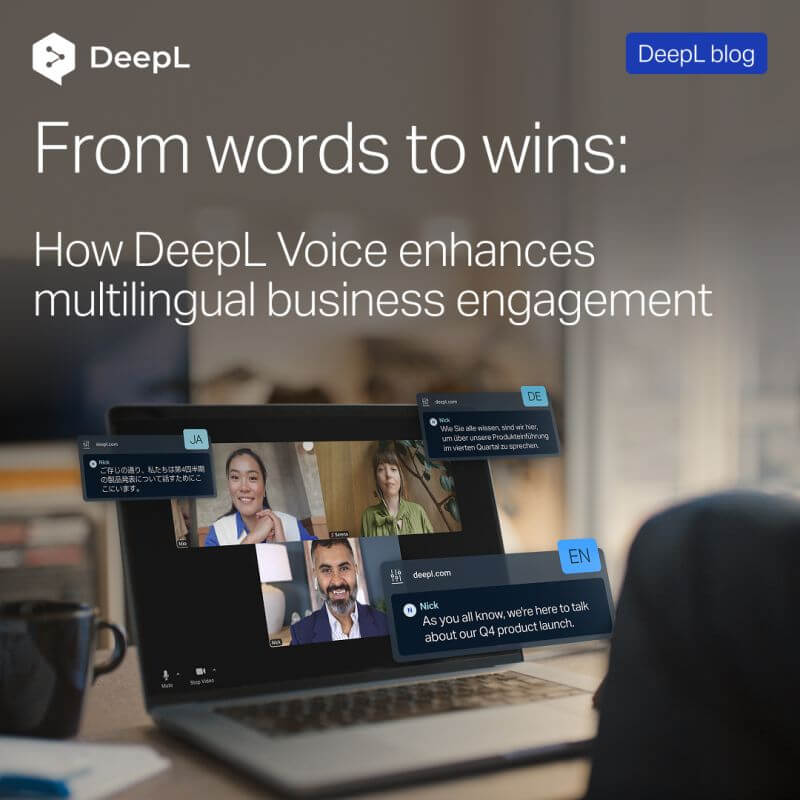
Decisione 4: Chi deve partecipare?
Il numero e il ruolo dei partecipanti possono influenzare la corretta architettura di traduzione dell'IA.
Due persone in una conversazione
Entrambi i partecipanti devono comprendere e rispondere. È necessario testare la distinzione automatica tra le lingue, l'alternanza dei turni di parola, la traduzione del discorso e la capacità di ciascun partecipante di visualizzare sia il testo originale che la traduzione. Questo è diverso dalla trascrizione unidirezionale.
Un team in una riunione periodica
Il traduttore dovrebbe essere compatibile con gli strumenti già in uso. Transync AI fornisce un flusso di lavoro di traduzione per riunioni in diretta per Zoom, Microsoft Teams, E Google Meet, offrendo un'opzione multipiattaforma anziché vincolare la traduzione a un singolo fornitore di servizi di riunione.
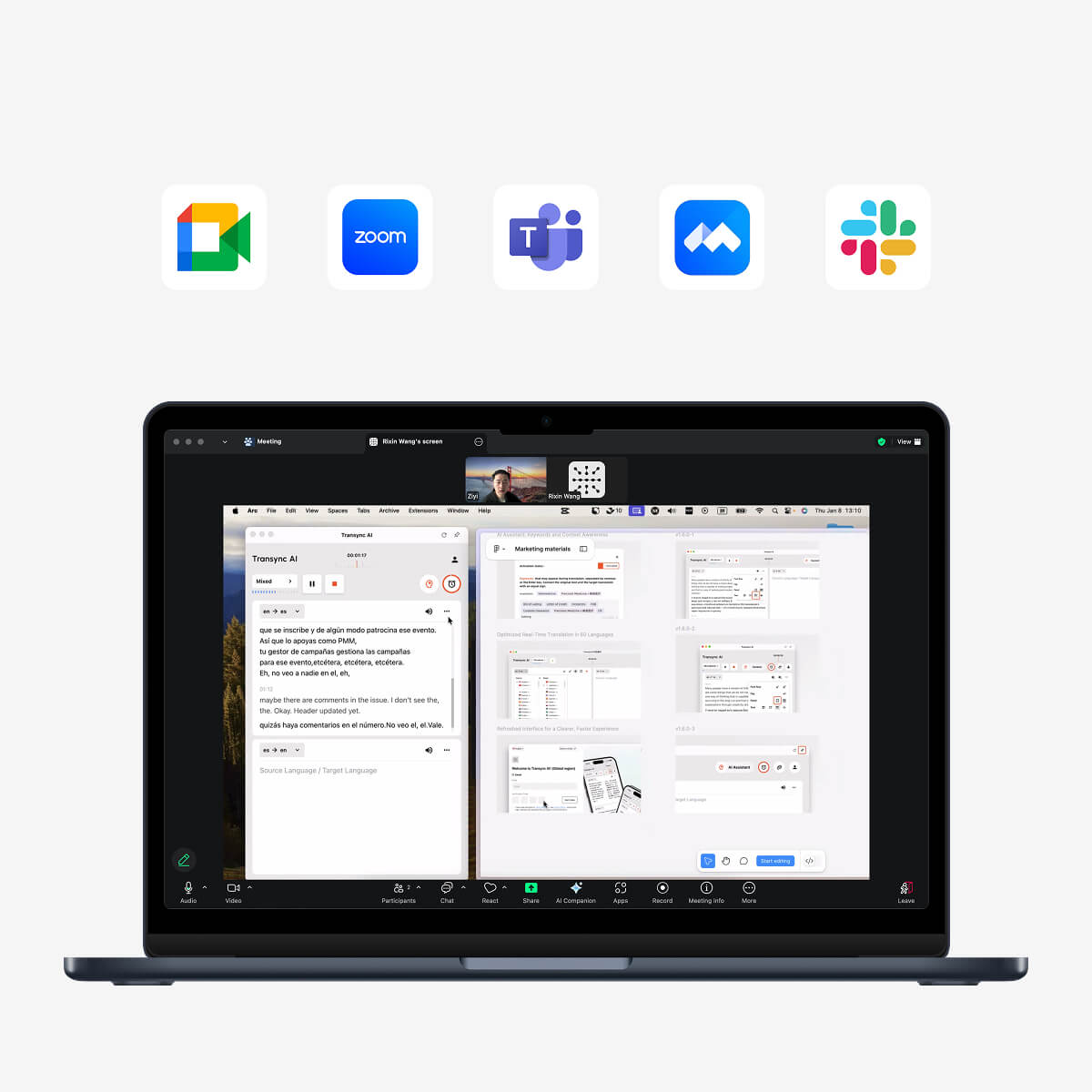
Compatibile con le principali piattaforme per riunioni online, per una traduzione in tempo reale senza interruzioni.
Un pubblico che ascolta un oratore
Qui il pubblico riceve principalmente informazioni. Nella modalità di presentazione beta, Transync AI consente a un host di configurare fino a 10 lingue di destinazione e invitare i membri del pubblico tramite un codice QR, un link condivisibile o un ID stanza. Non è richiesta alcuna installazione di software, sebbene i membri del pubblico debbano registrarsi o accedere a un Transync AI account.
Dopo essersi collegato da computer o telefono, ogni partecipante può scegliere tra le lingue abilitate dal relatore e leggere i sottotitoli o ascoltare la traduzione audio. In questa modalità, i partecipanti non possono inviare input vocali. Il relatore decide se condividere la trascrizione originale e le note generate dall'IA al termine della presentazione; la condivisione è facoltativa e non automatica.
Questo Modalità di presentazione del flusso di lavoro È progettato per riunioni aziendali plenarie, corsi di formazione, lezioni, conferenze, tour, funzioni religiose e altri scenari con un solo relatore.
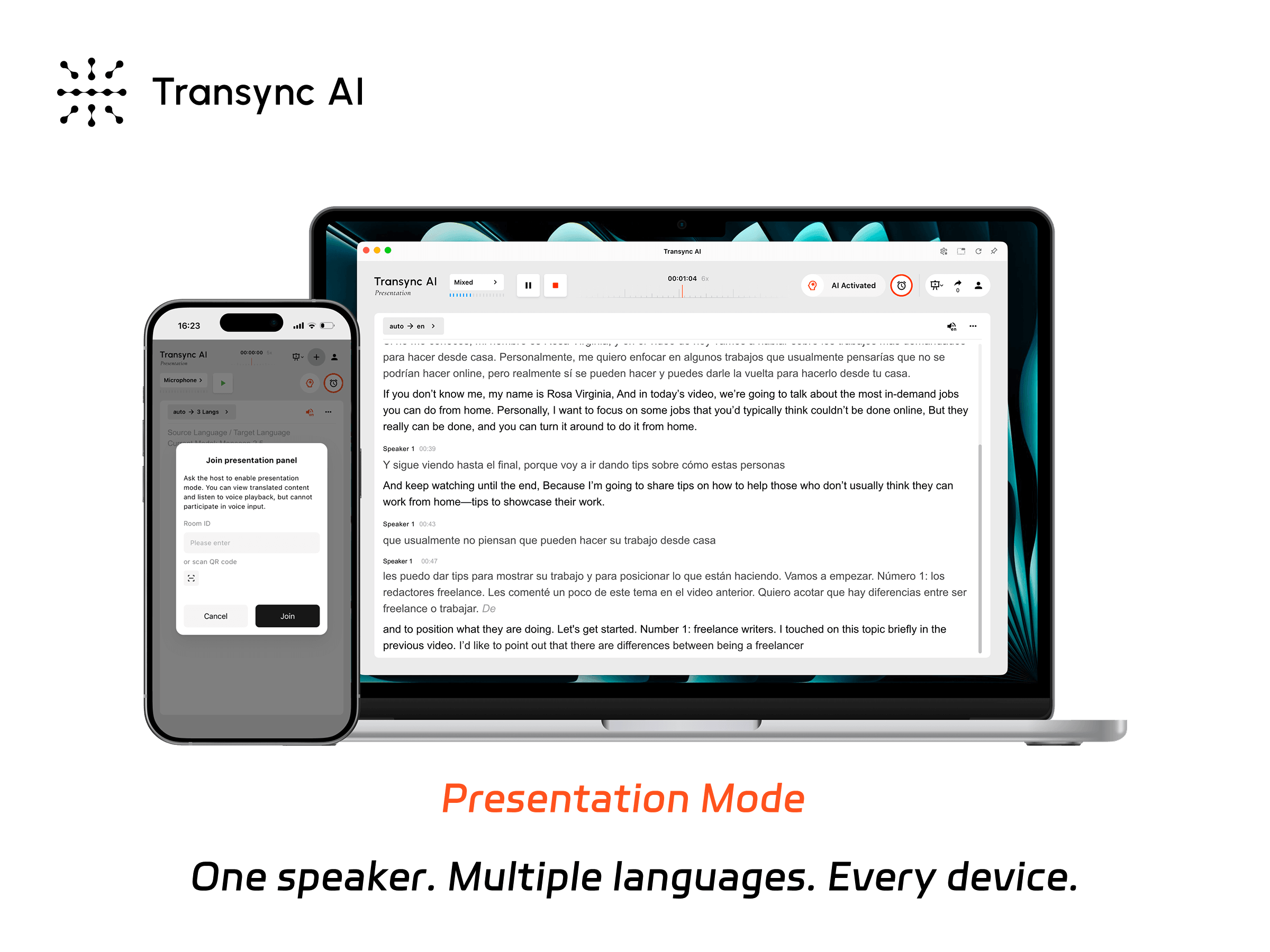
La modalità presentazione consente a un presentatore di condividere la traduzione simultanea con i membri del pubblico sui loro dispositivi.
Milioni di utenti dell'applicazione
Solitamente si tratta di un problema di API e infrastruttura. Traduzione di Google Cloud O Traduttore AI di Microsoft Azure possono fornire gli elementi costitutivi, ma l'organizzazione deve progettare l'autenticazione, i controlli di utilizzo, il monitoraggio, la gestione degli errori, la revisione umana e un'interfaccia utente.
Traduttore AI di Microsoft Azure è un candidato naturale per le organizzazioni che già si basano su Azzurro. Può ridurre la frammentazione architetturale quando identità, fatturazione, monitoraggio e altri servizi di intelligenza artificiale vengono gestiti all'interno dello stesso ambiente cloud. Gli acquirenti dovrebbero comunque testare la copertura linguistica, la personalizzazione, l'implementazione regionale e il costo totale di consumo.
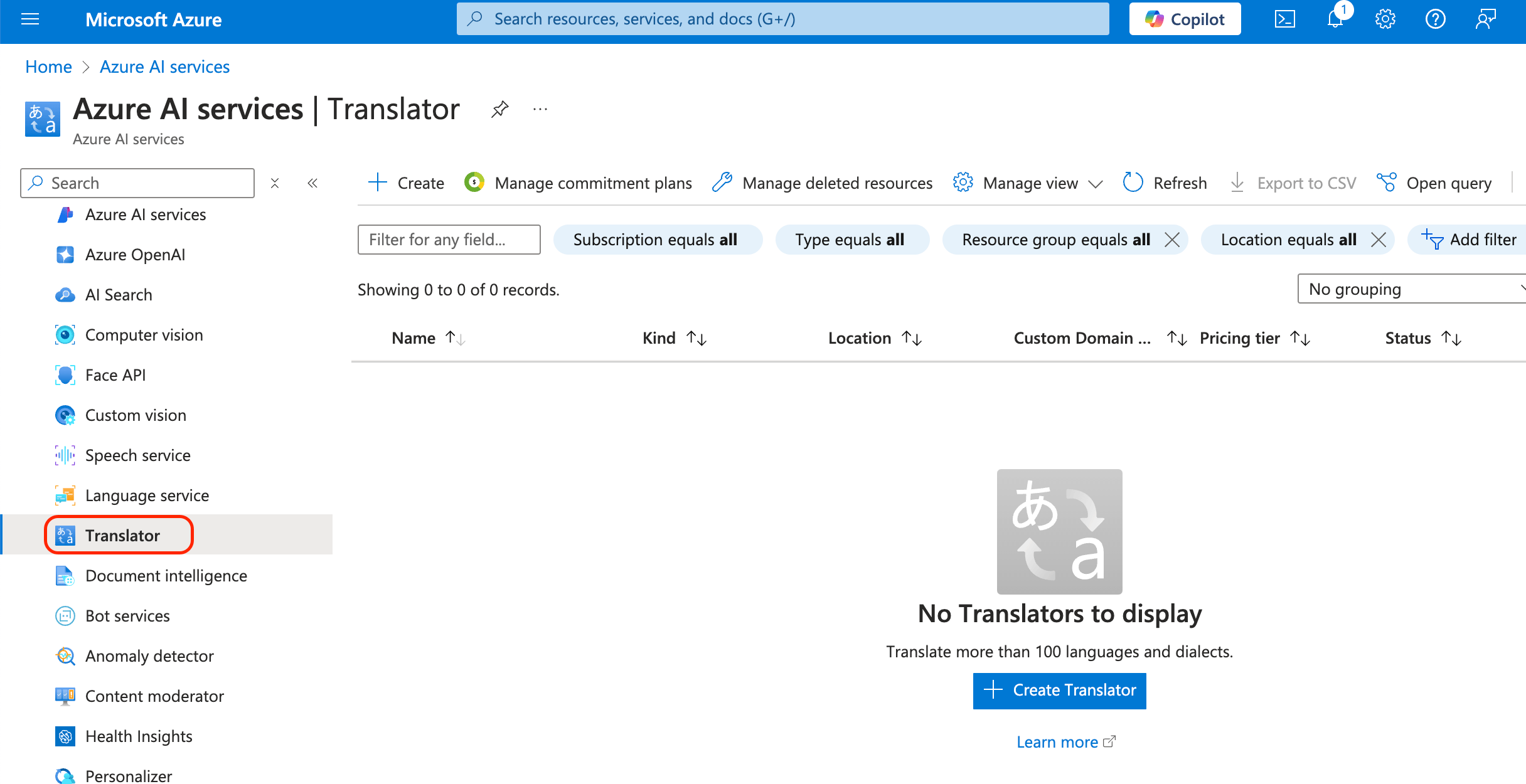
Scopri Microsoft Azure AI Translator
Decisione 5: Cosa deve esistere dopo la traduzione?
Alcune comunicazioni scompaiono dopo l'ultimo sottotitolo. Altre si trasformano in una decisione, un elenco di attività, un registro di conformità o un'informazione sul cliente. L'output desiderato deve essere selezionato prima dell'inizio della conversazione.
Per le riunioni in diretta, chiedete se lo strumento di traduzione basato sull'IA può fornire:
- Trascrizione originale e testo tradotto.
- Separazione degli altoparlanti laddove necessario.
- Un breve riassunto della riunione.
- Decisioni e azioni da intraprendere.
- Condivisione ed eliminazione controllate dall'utente.
- Un record ricercabile per una successiva consultazione.
Transync AI può generare Appunti della riunione di intelligenza artificiale dalla discussione. Ciò colma una lacuna importante: i partecipanti non devono più scegliere tra concentrarsi sulla conversazione tradotta e trascrivere manualmente ogni dettaglio.
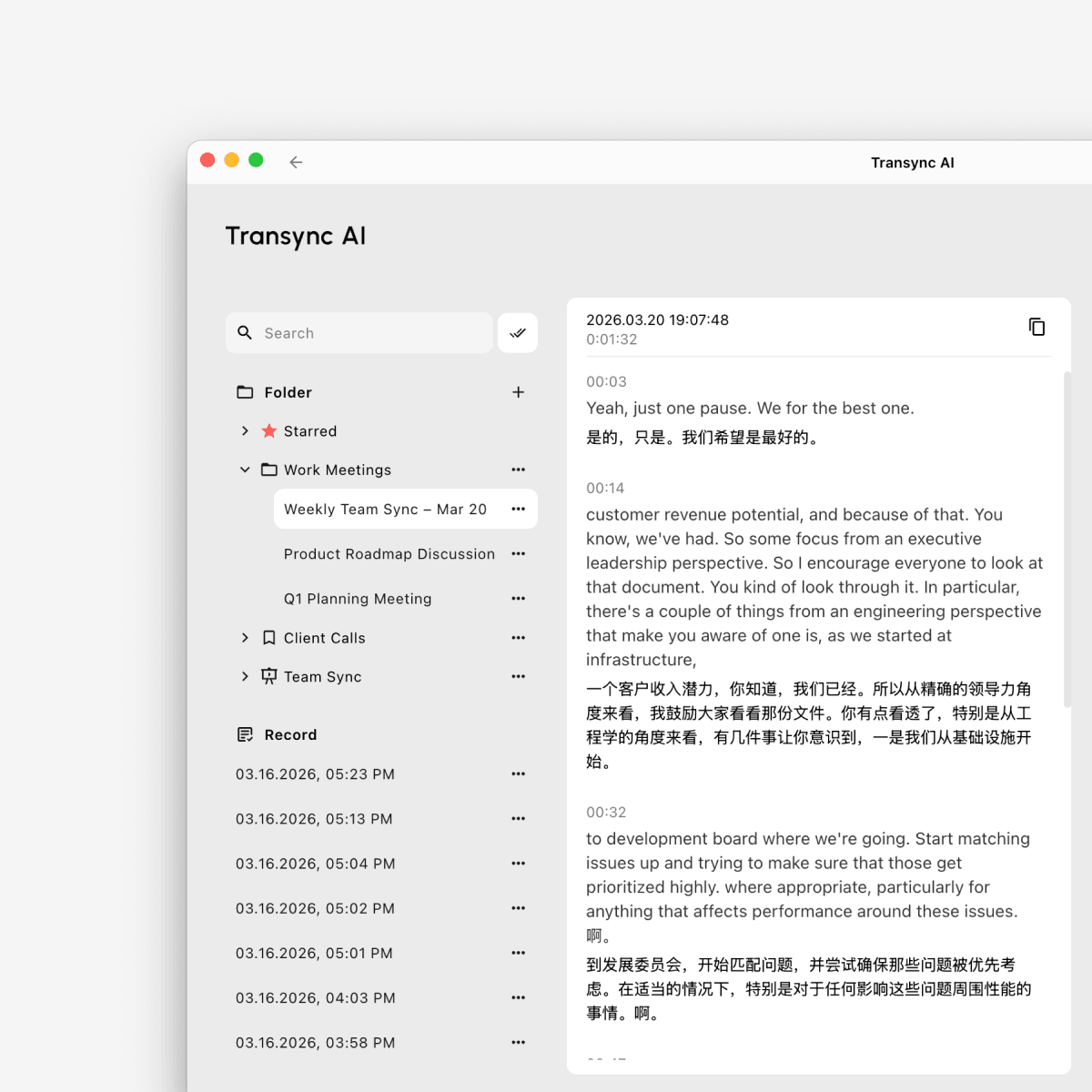 Per i flussi di lavoro documentali, le priorità cambiano. I team potrebbero aver bisogno di preservare la formattazione, tenere traccia delle revisioni, prevedere una fase di approvazione o utilizzare una memoria di traduzione che migliori la coerenza tra i contenuti ripetuti. DeepL si adatta più naturalmente a questo tipo di flusso di lavoro basato su risorse scritte rispetto a uno strumento pensato per iniziare con una riunione.
Nel caso di un flusso di lavoro API, l'output potrebbe essere in formato JSON anziché un documento leggibile dall'uomo. Traduzione di Google Cloud E Traduttore AI di Microsoft Azure Avrà senso quando gli sviluppatori controlleranno cosa accade prima e dopo la stringa tradotta.
Decisione 6: Qual è il livello di rischio accettabile?
La traduzione automatica è utile, ma la fluidità può generare una falsa sicurezza. Una frase può suonare naturale anche quando cambia una condizione, una negazione, una scadenza, un dosaggio o un obbligo legale. Il rischio dovrebbe essere il fattore determinante del processo di revisione.
| Livello di rischio | Esempio | Recensione consigliata |
|---|---|---|
| Basso | Domanda informale di viaggio o brainstorming interno | L'utente verifica il contesto e chiede chiarimenti quando necessario. |
| Moderare | Presentazione di vendita, formazione o assistenza clienti generale | Il revisore bilingue verifica la terminologia chiave e gli impegni |
| Alto | Contratto, istruzione medica, procedura di sicurezza o dichiarazione normativa | Il traduttore o interprete umano qualificato rimane responsabile |
Nel contesto di comunicazioni ad alto rischio, la traduzione automatica dovrebbe affiancare un professionista, anziché sostituirlo silenziosamente. È fondamentale preservare il contenuto originale, contrassegnare l'output generato automaticamente e definire chi approva il significato finale.
La privacy deve essere inclusa nella stessa discussione sui rischi. È necessario verificare se l'audio viene memorizzato, se il testo viene conservato, se i dati dei clienti vengono utilizzati per l'addestramento dei modelli, come funziona la cancellazione, dove avviene l'elaborazione e quali impegni contrattuali si applicano al piano acquistato.
Secondo l'attuale Transync AI informazioni sui prezzi e sulla sicurezza, l'audio viene eliminato dopo l'elaborazione, il testo conservato può essere eliminato dall'utente e i dati non vengono utilizzati per l'addestramento del modello per impostazione predefinita a meno che l'utente non lo scelga esplicitamente. Le organizzazioni dovrebbero comunque rivedere il Transync AI Centro fiduciario e i propri requisiti legali prima di un'importante implementazione.
Decisione 7: Qual è il costo complessivo del flusso di lavoro?
Il prezzo di abbonamento più basso non è sempre il più basso in termini di costi. Bisogna considerare la preparazione, le licenze per i partecipanti, lo sviluppo, l'integrazione, il controllo qualità, l'amministrazione e il costo dei problemi di comunicazione.
Per le riunioni dal vivo, calcola il costo per ora di utilizzo e chiedi se ogni partecipante necessita di un posto a pagamento. Per le API, calcola i caratteri o le richieste a volume normale e di picco. Per i documenti, includi il tempo impiegato dai revisori e la correzione della formattazione. Per le presentazioni, verifica come viene misurato l'utilizzo multilingue all'aumentare delle dimensioni del pubblico e delle lingue di destinazione.
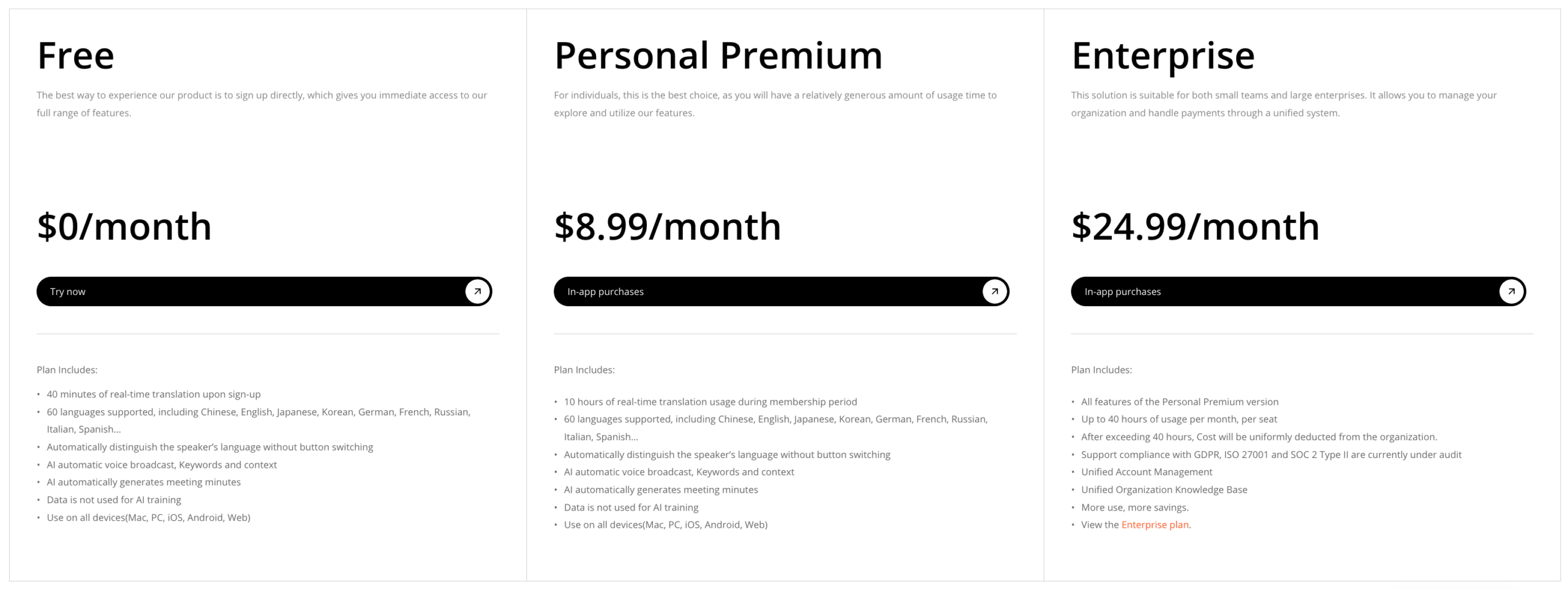
Il corrente Transync AI Elenco dei progetti:
- Gratuito: $0 con 40 minuti di traduzione in tempo reale dopo l'iscrizione.
- Abbonamento Premium personale: $8,99 al mese con 10 ore.
- Aziendale: $24,99 al mese per postazione con un massimo di 40 ore per postazione.
L'utilizzo multilingue viene misurato in modo diverso dalla traduzione unidirezionale e bidirezionale, quindi i team che pianificano la modalità Presentazione dovrebbero controllare Regole attuali in materia di prezzi e utilizzo prima di stimare un evento.
 Per confrontare le API serve un foglio di calcolo diverso. Bisogna stimare il numero di caratteri mensili, il volume dei documenti, le coppie linguistiche, l'utilizzo di modelli personalizzati, l'infrastruttura regionale, la registrazione dei log e la manutenzione da parte degli sviluppatori. Un servizio cloud può essere economico per carattere, mentre l'applicazione sottostante rimane costosa da sviluppare.
Valutazione della traduzione tramite intelligenza artificiale in 30 minuti
Utilizzate lo stesso materiale per ogni prodotto selezionato. Un confronto controllato è più utile di quattro dimostrazioni di prodotti non correlati.
Minuti 1–5: Definire il successo
Indicare la lingua di partenza, la lingua di destinazione, il pubblico di riferimento, il ritardo accettabile, l'output richiesto, la terminologia e il livello di rischio. Stabilire quali errori renderebbero il risultato inutilizzabile.
Minuti 6-12: Test dell'input normale
Traduci una conversazione, una pagina o un insieme di dati realistici. Includi nomi, cifre e il contesto completo. Non iniziare con un testo di marketing insolitamente pulito.
Minuti 13-18: Sottolineare il flusso di lavoro
Per il parlato, aggiungi interruzioni e rumore di fondo. Per i documenti, aggiungi tabelle, intestazioni e termini ripetuti. Per le API, testa campi vuoti, stringhe lunghe, limiti di frequenza e risposte di errore.
Minuti 19-23: Ispezionare l'output
Verifica il significato, le omissioni, la terminologia, l'impaginazione, la tempistica e la possibilità di ritrovare il risultato in seguito. Registra ogni correzione manuale.
Minuti 24-27: Revisione dell'accesso e della privacy
Verifica come un nuovo utente può accedere, quali autorizzazioni sono disponibili, dove vengono visualizzati i record e se i dati possono essere eliminati. Leggi la documentazione relativa alla sicurezza e alla privacy.
Minuti 28-30: Calcolare il costo reale
Calcola il prezzo in base al tuo volume mensile effettivo, poi aggiungi i tempi di implementazione e di revisione umana. Scegli lo strumento con il flusso di lavoro completo più efficace, non quello con l'elenco di funzionalità più lungo.
Scheda di valutazione comparativa della traduzione automatica tramite IA
| Criterio | Peso per le riunioni | Peso per i documenti | Peso per le API |
|---|---|---|---|
| Significato e terminologia | 25% | 35% | 25% |
| Velocità o produttività | 20% | 10% | 20% |
| Esperienza del partecipante o dell'utente | 20% | 5% | 10% |
| Sfondo e personalizzazione | 10% | 20% | 15% |
| Formato di registrazione e output | 10% | 15% | 10% |
| Sicurezza e amministrazione | 10% | 10% | 10% |
| Costo totale del flusso di lavoro | 5% | 5% | 10% |
Assegna un punteggio da uno a cinque a ciascun criterio, moltiplicalo per il peso corrispondente e documenta le prove a supporto del punteggio. In questo modo, la decisione sarà comprensibile e giustificabile al reparto finanziario, a quello IT, a quello della sicurezza e a tutti coloro che effettivamente utilizzeranno lo strumento.
Errori comuni nella traduzione dell'intelligenza artificiale
Acquistare il conteggio delle lingue invece di testare la coppia linguistica
Un lungo elenco di lingue non garantisce che la coppia esatta di lingue di origine e di destinazione funzioni bene per il tuo accento, la tua terminologia e il tuo formato. Metti alla prova la coppia reale.
Trattare una trascrizione come un'interpretazione
La conversione da parlato a testo cattura le parole nella lingua originale. La traduzione automatica tramite IA deve anche trasferire il significato, e un flusso di lavoro completo di interpretazione deve fornirlo con sufficiente rapidità da permettere all'ascoltatore di rispondere.
Ignorando l'esperienza di adesione
Anche una presentazione tecnicamente impeccabile può fallire se 200 persone del pubblico non riescono a trovare il link corretto, ad accedere o a scegliere la lingua. Provate i primi due minuti dal punto di vista del pubblico.
Saltando la revisione umana perché l'output sembra fluido
La fluidità linguistica non è prova di equivalenza fattuale o legale. Aumenta la necessità di una revisione professionale man mano che aumentano le conseguenze degli errori.
Confronto solo dei prezzi principali
Licenze, volume API, misurazione multilingue, sviluppo, revisione e amministrazione rientrano nello stesso modello di costo.
Domande frequenti
Che cos'è la traduzione automatica tramite intelligenza artificiale?
La traduzione automatica tramite intelligenza artificiale utilizza modelli di apprendimento automatico per convertire il significato da una lingua all'altra. A seconda del prodotto, l'input può essere testo, un documento o parlato in tempo reale, e l'output può essere testo tradotto, sottotitoli, voce sintetizzata, dati strutturati o un file localizzato completo.
La traduzione tramite intelligenza artificiale è la stessa cosa della traduzione automatica?
I termini si sovrappongono. La traduzione automatica si riferisce tradizionalmente alla traduzione automatizzata di testi, mentre la traduzione basata sull'intelligenza artificiale (IA) è ora utilizzata in senso più ampio per indicare modelli neurali, modelli di apprendimento per la traduzione (LLM), riconoscimento vocale, flussi di lavoro di interpretazione in tempo reale, assistenza contestuale e post-elaborazione generativa.
Quale strumento di traduzione basato sull'intelligenza artificiale è il migliore per le riunioni dal vivo?
Transync AI È un ottimo punto di partenza per le riunioni multilingue perché combina sottotitoli bilingue, traduzione vocale, contesto, compatibilità con la piattaforma di riunione e note. Testalo con le lingue, i microfoni, la rete e la configurazione di videoconferenza che il tuo team utilizzerà.
Quale strumento di traduzione automatica basato sull'intelligenza artificiale è il migliore per i documenti?
DeepL È una soluzione adatta quando la traduzione dei documenti, la coerenza terminologica e lo stile di scrittura sono fondamentali. Confrontatela con altre piattaforme di gestione documentale utilizzando un file rappresentativo e un revisore bilingue.
Qual è il miglior servizio di traduzione automatica basato sull'intelligenza artificiale per gli sviluppatori?
Traduzione di Google Cloud E Traduttore AI di Microsoft Azure Entrambe meritano di essere valutate. La scelta migliore dipende dai requisiti del modello, dal supporto linguistico, dalla personalizzazione, dall'architettura cloud, dall'implementazione regionale, dal volume di utilizzo e dalle competenze esistenti del team di ingegneri.
La traduzione automatica basata sull'intelligenza artificiale può sostituire i traduttori professionisti?
Può accelerare la stesura delle bozze e la comunicazione di routine, ma i contenuti ad alto rischio di natura legale, medica, di sicurezza e normativa dovrebbero rimanere soggetti alla revisione umana qualificata. La decisione dovrebbe basarsi sulle conseguenze, non solo sull'apparente fluidità.
Raccomandazione finale
La traduzione automatica tramite IA ha successo quando lo strumento viene scelto in base al compito di comunicazione. Iniziate valutando input e output, poi considerate latenza, contesto, partecipanti, dati, rischio e costo totale. Questa sequenza rende la decisione più chiara rispetto a una generica classifica di accuratezza.
Per riunioni bidirezionali in tempo reale e presentazioni multilingue, Transync AI offre un flusso di lavoro coeso da parlato e sottotitoli a voce tradotta e note. Per il lavoro incentrato sui documenti, valutare DeepL. Per la traduzione incorporata nel software, confrontare Traduzione di Google Cloud E Traduttore AI di Microsoft Azure all'interno dell'architettura in cui il tuo team già opera.
Qualunque opzione tu scelga, testala con linguaggio reale, rumore reale, terminologia reale e requisiti di revisione reali. Il sistema di traduzione basato sull'IA più valido non è quello che produce la demo più impressionante, ma quello che aiuta le persone a capire, rispondere e agire con meno difficoltà.
Fonti ufficiali
- Transync AI Regole di prezzo e di utilizzo
- Traduzione di Google Cloud documentazione
- DeepL Documentazione API
- Traduttore AI di Microsoft Azure pagina del prodotto
Se desideri un'esperienza di nuova generazione, Transync AI apre la strada alla traduzione in tempo reale basata sull'intelligenza artificiale, che mantiene le conversazioni fluide e naturali. Puoi provalo gratis Ora.