

A language changer can switch an app, translate text, interpret live speech, transform a voice, or localize media. Learn which of 5 controls you need.
UN language changer sounds like one simple tool. In practice, the phrase can describe five different controls: changing an app’s menus, translating written meaning, interpreting a live conversation, transforming how a voice sounds, or delivering one message to an audience in several languages.
Choose the wrong control and the result can look impressive while solving nothing. A voice effect can make you sound like a character without translating a word. A text translator can rewrite a contract but cannot hear a meeting. A live interpreter can help people talk but may not localize a finished video.
The useful question is not “Which tool is best?” It is “What exactly must change before the message reaches the other person?”
The Five-Dial Language Changer
Picture a control desk with five dials. You may need only one, or you may need several in sequence.
| Dial | What Changes | Input tipico | Typical Output | Example Tool or Method |
|---|---|---|---|---|
| 1. Interface | Menus, buttons, dates, and system labels | Device or app setting | The same app in another display language | Operating-system or app settings |
| 2. Meaning | Written words and sentences | Typed text, pasted text, image, or document | Testo tradotto | Google Traduttore |
| 3. Conversation | Speech while people are talking | Microphone and meeting audio | Live captions or translated speech | Transync AI |
| 4. Voice identity | Pitch, character, tone, or speaker identity | Live or recorded voice | A transformed voice | Voicemod or ElevenLabs |
| 5. Reach | One source delivered to more languages or formats | Presentation, video, podcast, or event audio | Audience language views or localized media | Transync AI Presentation Mode or ElevenLabs Dubbing |
The dials can work together, but they are not interchangeable. This control-room model helps a buyer evaluate a language changer by its input, output, timing, and intended listener instead of relying on a broad product label.
Dial 1: A Language Changer for the Interface
Sometimes no translation is needed. The user simply wants an app, website, keyboard, game, or phone interface to display menus in another language.
An interface setting changes labels such as “Save,” “Settings,” and “Notifications.” It may also change date formats, decimal separators, spelling dictionaries, keyboard suggestions, or right-to-left layout. It does not necessarily translate user-generated content, messages, calls, or documents.
Before installing another app, check three places:
- The language setting inside the current app.
- The per-app language setting in the operating system.
- The main device language and region settings.
If the app does not offer the language you need, changing the device language may not create a translation. The developer must supply localized interface text. Browser translation can sometimes render a webpage in another language, but it does not permanently localize the underlying product.
Use this control when the software already contains the desired display language and the problem is navigation—not communication with another speaker.
A quick interface test
After switching, inspect more than the home screen. Open settings, search, error messages, payment screens, and help content. Confirm that text fits inside buttons, dates remain unambiguous, and the keyboard still matches the language you intend to type.
Dial 2: A Language Changer for Written Meaning
The second dial converts text from one language into another. This is the familiar translator workflow: type or paste content, choose the source and target languages, and review the result.
Google Traduttore is a practical example. Its current web experience supports text translation and also exposes separate workflows for images, documents, websites, and voice input where supported. That breadth makes it convenient for quick comprehension and everyday written tasks.
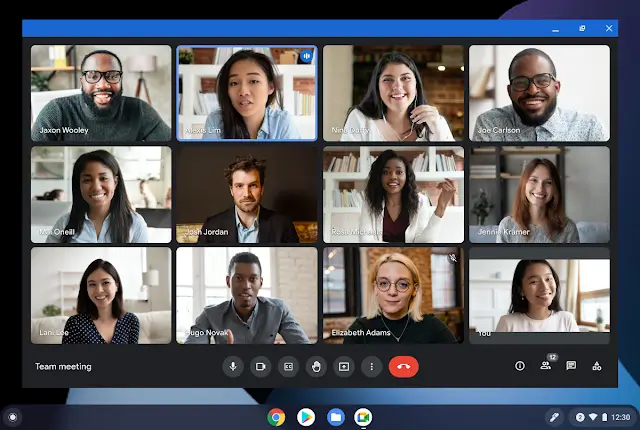
A written language changer is suitable for emails, signs, product descriptions, chat messages, and first-pass research. It is not automatically suitable for a negotiation, live class, or multilingual call. Those jobs add microphones, speaker turns, latency, delivery, and interruption.
Do not confuse changing words with localizing meaning
A literal translation may preserve vocabulary while losing intent. Check:
- Who is acting and who is receiving the action.
- Negatives such as “not,” “unless,” and “except.”
- Numbers, currencies, units, dates, and time zones.
- Formality and relationship between speakers.
- Regional wording, such as Brazilian versus European Portuguese.
- Product names and terms that should remain unchanged.
For consequential material, use a qualified reviewer. A fast language changer can create a useful draft, but legal, medical, regulatory, financial, and safety-critical content requires accountable expertise.
Dial 3: A Language Changer for Live Conversation
Live speech adds a chain of work that text translation does not show:
speech → audio capture → recognition → translation → captions or voice → listener
Every arrow can fail. A strong translation model cannot recover speech that the microphone never captured. Natural voice playback cannot repair a wrong number in the source transcript. That is why a meeting language changer must be tested as an entire communication path.
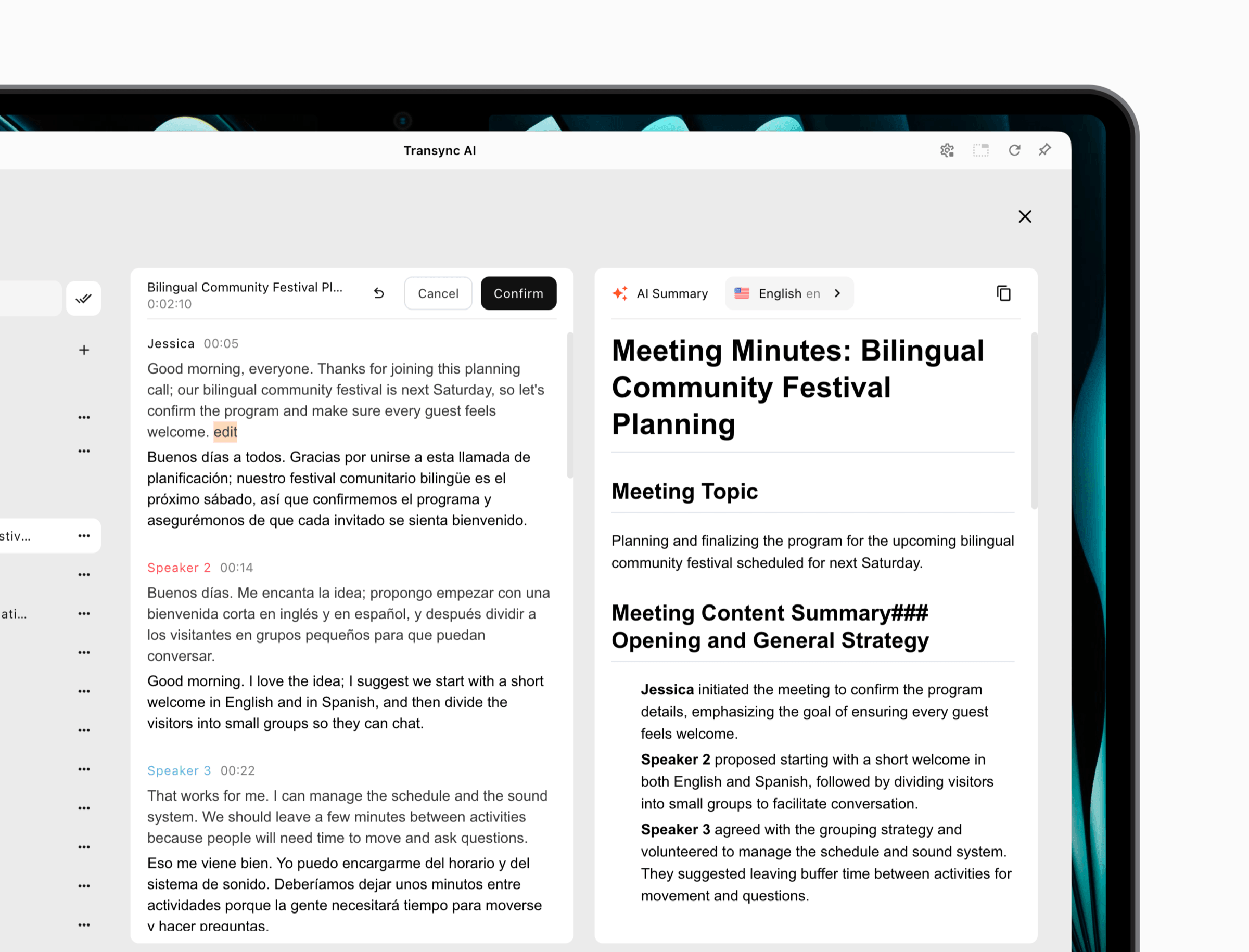
For multilingual meetings and in-person conversations, Transync AI fornisce traduzione in tempo reale with bilingual text and optional voice output. It is a standalone workflow available across web, desktop, and mobile rather than a plugin limited to one conference provider.
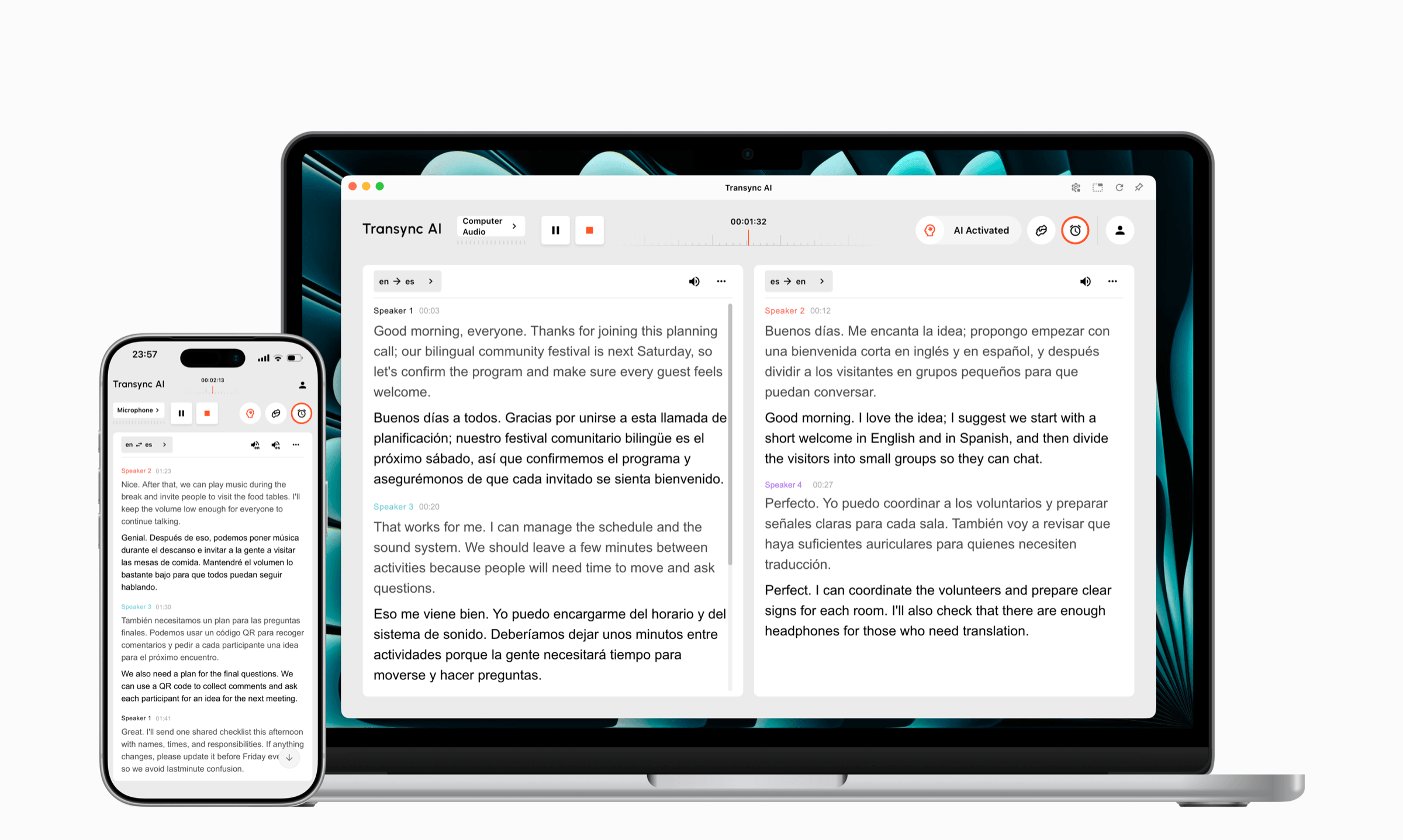
Prova Transync AI gratuitamente
For online meetings, its traduzione di riunioni in diretta può lavorare a fianco Zoom, Microsoft Teams, Google Meet, and other calling workflows. Users should configure microphone audio for their own voice and supported computer-audio capture for remote participants.
Before the call, Parole chiave e contesto can prepare names, acronyms, product codes, and meeting background. During the call, Sottotitoli Picture-in-Picture can keep text visible over supported applications.
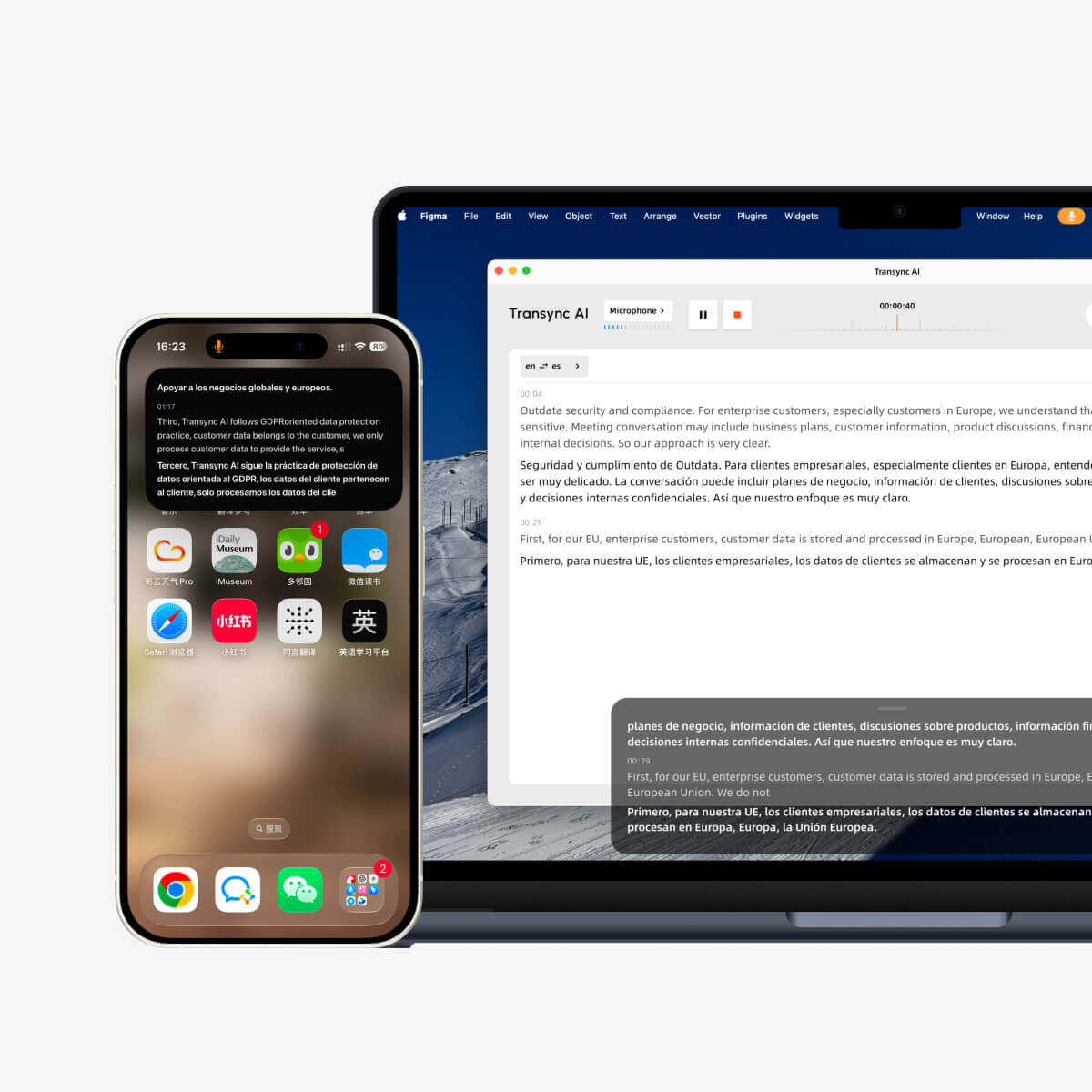
Sottotitoli fluttuanti in tempo reale su dispositivi desktop e mobili.
UN Traduttore vocale AI can read translated speech aloud. Voice Playback delay can be adjusted so output begins instantly or waits for a more complete phrase. Voice Clone can make translated playback sound closer to the user after the initial collection process for supported languages.
 Two different directions to test
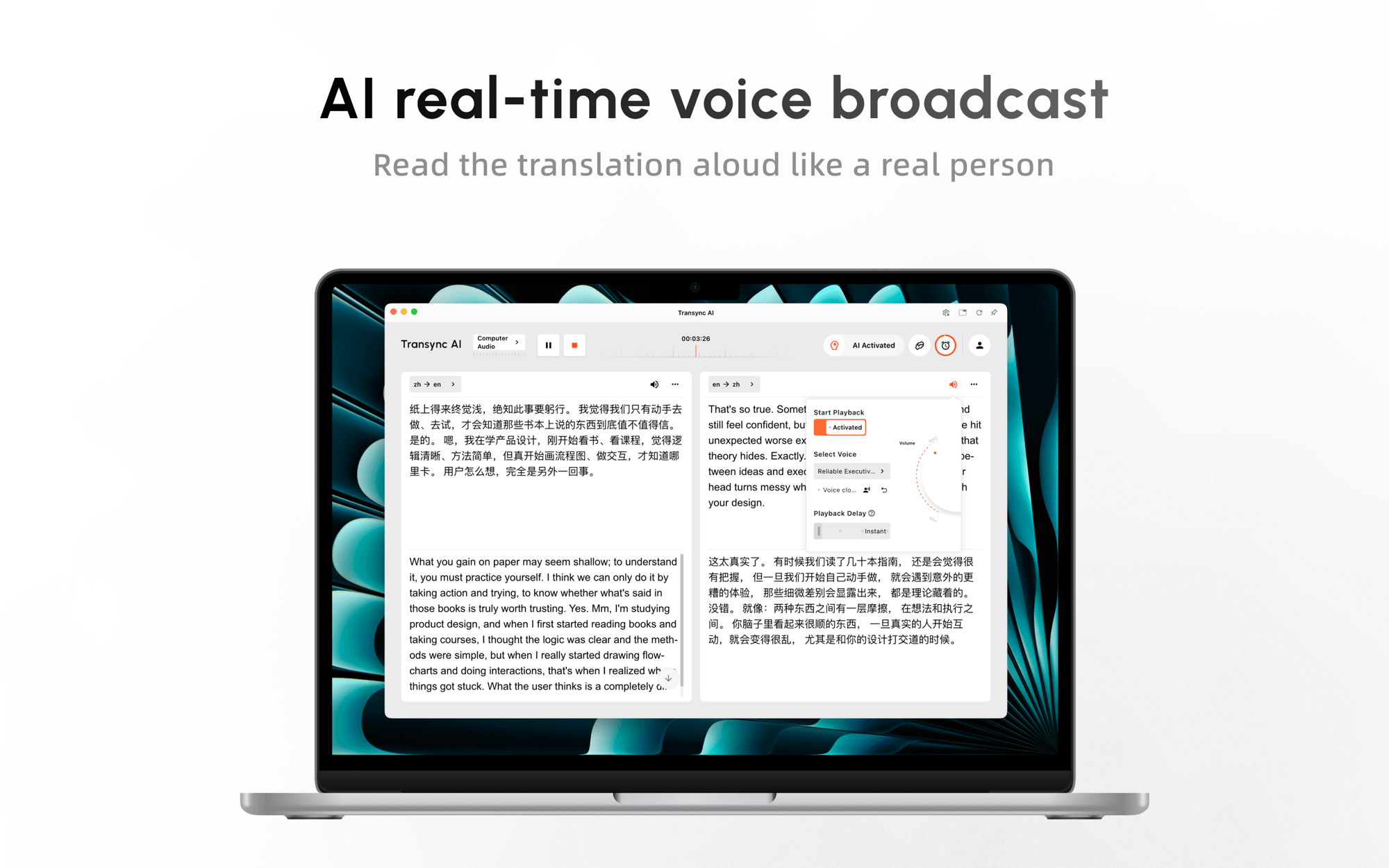 Two different directions to test
Listening and speaking are separate jobs.
To understand the other side: Confirm that remote or room audio enters the translator, select the target language you understand, and decide whether to read subtitles or hear playback.
To be understood by the other side: Confirm that your microphone is captured, enable translation into the other participant’s language, and route translated speech through speakers, shared computer audio, or a supported virtual microphone workflow.
If both directions use loud playback in the same room, echo can create a loop. Begin with one playback direction, use headphones when appropriate, and add the second direction only after the source transcript remains clean.
What this language changer does not replace
Transync AI is not an offline translator, camera translation tool, document translator, or managed human interpretation service. It depends on an internet connection and correct audio routing. Its strongest fit is frequent live communication where people need captions, translated voice, terminology preparation, and a record afterward.
Dial 4: A Language Changer for Voice Identity
This dial is the source of the most confusion. Changing the voice and changing the language are different operations.
Voicemod changes how a live voice sounds. Its desktop workflow installs a virtual microphone that can be selected inside games, streaming tools, and voice-chat applications. Users can alter pitch, apply character effects, or build layered voice treatments in real time.
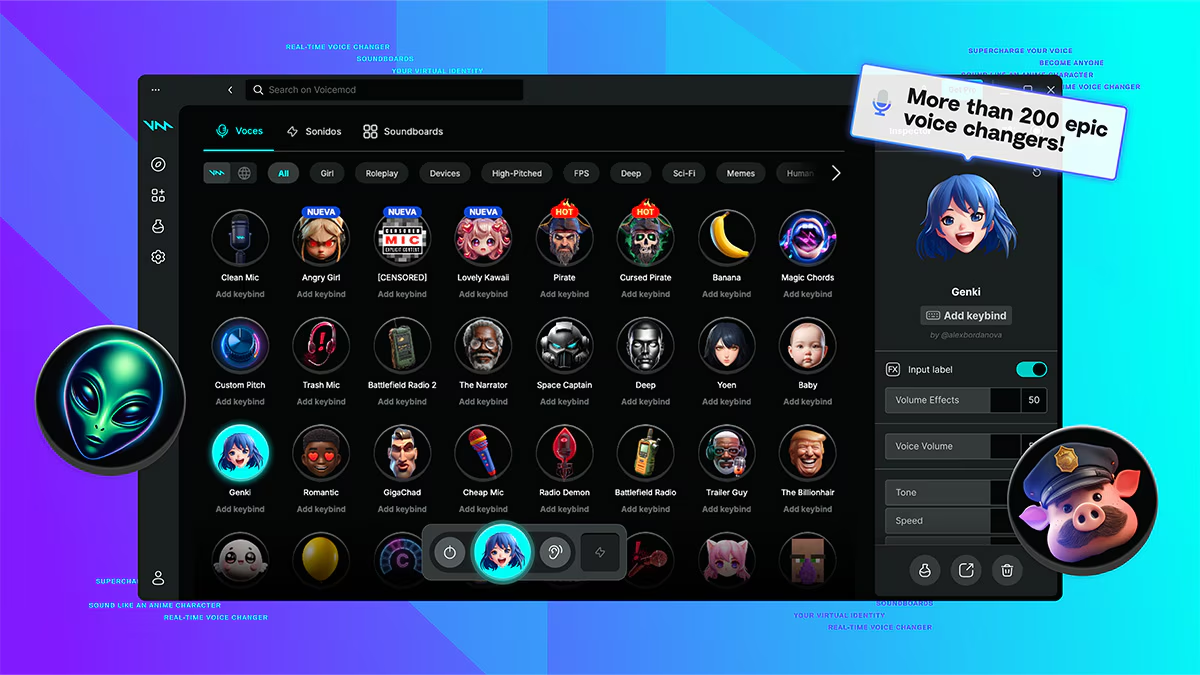
Ciò rende Voicemod useful for performance, entertainment, privacy preferences, gaming, and streaming. But a French speaker with a robot effect is still speaking French. This type of language changer changes acoustic identity, not linguistic meaning.
ElevenLabs addresses recorded voice transformation and multilingual media workflows. Its Voice Changer can transform recorded or uploaded speech into another voice while preserving elements of performance. Its Dubbing tools translate audio or video into other languages while working to retain timing, tone, emotion, and speaker identity.
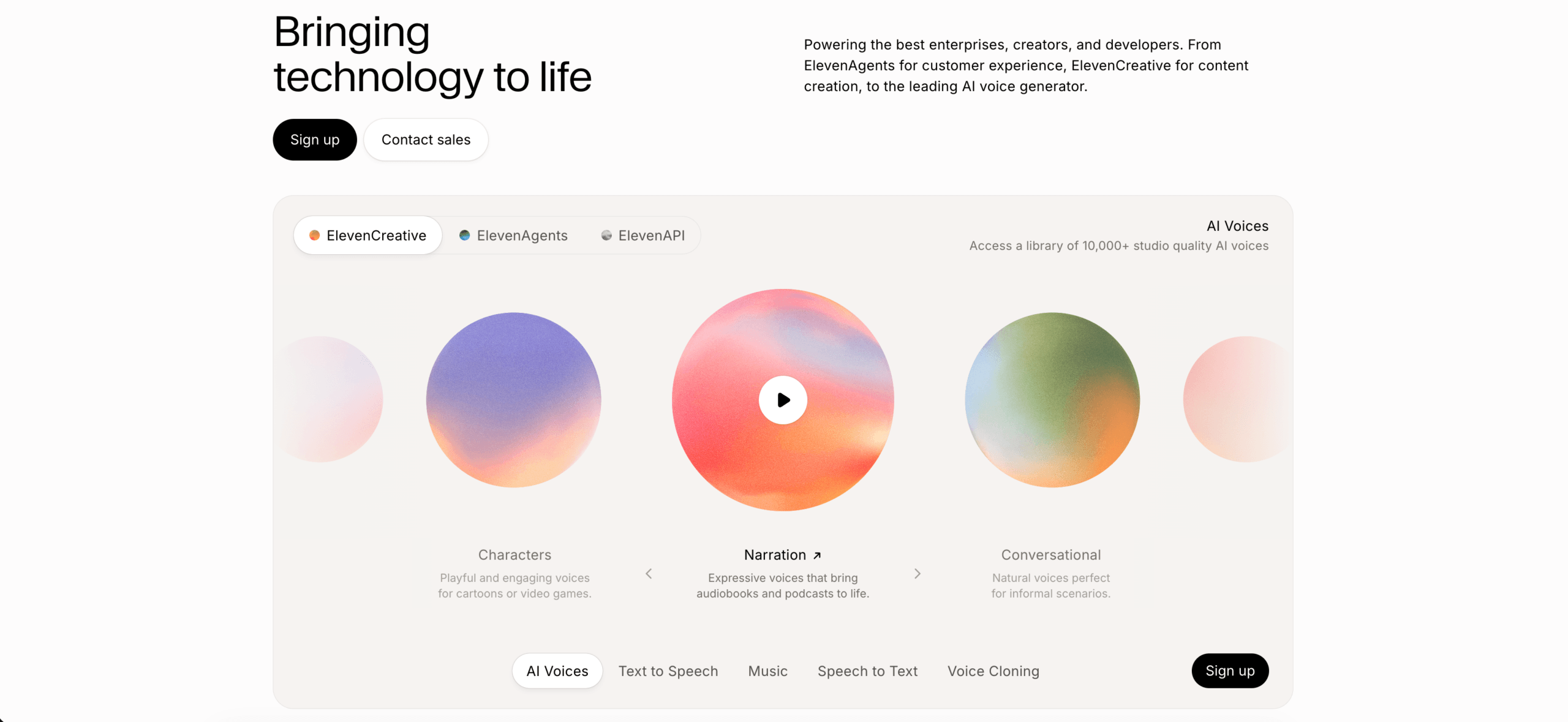
ElevenLabs is a closer fit for creators localizing a finished video, podcast, campaign, or training asset. It is not the same workflow as translating a live two-way meeting. Recorded production allows editing, regeneration, timing control, and export; a conversation must deliver meaning quickly enough for the next person to respond.
Voice clone, voice changer, and dubbing are not synonyms
| Termine | Primary Job | Does It Translate Meaning? | Usually Live? |
|---|---|---|---|
| Voice effect | Change pitch, character, or texture | NO | Often |
| Clone vocale | Reproduce characteristics of a speaker | Not by itself | Can support live or recorded output |
| Traduzione del parlato | Convert spoken meaning into another language | SÌ | Often |
| Doppiaggio | Replace or add localized speech to recorded media | SÌ | Usually post-production |
A product can combine two categories. Transync AI, for example, combines live speech translation with optional voice cloning for playback. ElevenLabs combines voice transformation with multilingual dubbing. The evaluation question is still the same: does the language changer operate while people are talking, or after content has been recorded?
Dial 5: A Language Changer for Audience Reach
The final dial changes distribution. One speaker may need to reach ten language groups in a lecture, town hall, training session, or product launch.
In versione beta Modalità di presentazione, UN Transync AI host can enable up to 10 target languages. Audience members join through a link, QR code, or Room ID and select from the languages made available by the host. They can read live original and translated text and listen to voice playback when available.
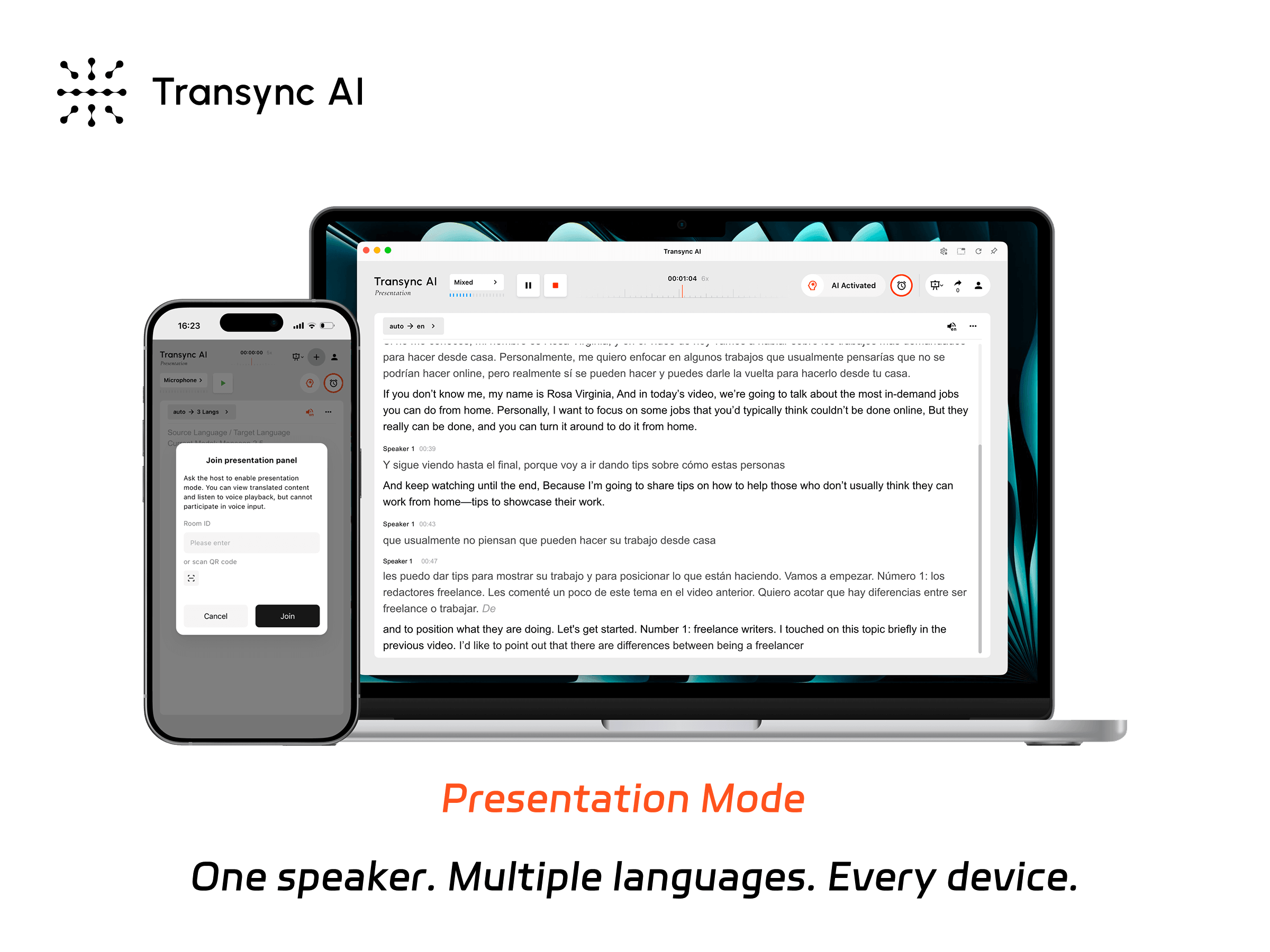
La modalità presentazione consente a un presentatore di condividere la traduzione simultanea con i membri del pubblico sui loro dispositivi.
Audience members do not send voice into the host’s task. The host can view the current audience count and decide at the end whether the transcript should be shared. A sign-in step may appear in the current joining flow.
This creates a different language changer architecture from a phone placed between two people. The host controls the source; each audience member controls the language they receive. Headphones help several listeners hear different translations in the same physical space without creating noise or feedback.
For recorded distribution, ElevenLabs Dubbing is the more relevant comparison. A creator can localize an existing audio or video asset and export finished media. Presentation Mode is for content while it is being delivered; dubbing is for content that can be processed, reviewed, and published afterward.
After a live session, Appunti della riunione di intelligenza artificiale In Transync AI can turn the transcript into a more useful follow-up record. That matters when changing language is only the first step and the audience also needs decisions, action items, or a shared summary.
 Language Changer Comparison: Match the Input to the Output
 Language Changer Comparison: Match the Input to the Output
| Opzione | Interface Change | Traduzione del testo | Traduzione vocale dal vivo | Voice Identity Change | Audience or Media Delivery | Migliore vestibilità |
|---|---|---|---|---|---|---|
| Device or app settings | SÌ | NO | NO | NO | NO | Menus, buttons, formats, and navigation |
| Google Traduttore | NO | SÌ | Conversation features on supported devices | NO | Limitato | Everyday text and face-to-face translation |
| Transync AI | NO | Not its purpose | SÌ | Voice Clone for translated playback | Presentation Mode and meeting records | Live meetings, calls, classes, and presentations |
| Voicemod | NO | NO | No linguistic translation | SÌ | Live voice-chat output | Gaming, streaming, and character voice effects |
| ElevenLabs | NO | Not its primary output | Not its main meeting workflow | SÌ | Multilingual dubbing and media export | Recorded video, audio, and creator localization |
Use the table as an elimination tool. If your input is a PDF, remove meeting and voice-effect products. If your input is a live call, remove post-production dubbing. If your output must be a character voice in the same language, remove translators. If the audience needs several languages at once, remove single-screen personal tools.
Il diritto language changer is the one whose input and output already match the job. Feature quantity matters less than workflow fit.
Five Requests, Five Different Answers
“I want this app’s menus in English.”
Use the interface dial. Check the app and operating-system language settings. Do not install a speech translator unless the content inside the app also needs translation.
“I need to understand a foreign email.”
Use the written-meaning dial. Paste the text into Google Traduttore or another text translator, then review names, tone, numbers, and confidential information before sharing it.
“I need to talk during an international meeting.”
Use the live-conversation dial. A meeting language changer must capture your microphone and the other participants’ audio, display bilingual text, and deliver translated voice if the other side needs to hear it. Transync AI is designed for this workflow.
“I want to sound like a game character.”
Use the voice-identity dial. Voicemod changes the sound reaching the selected microphone input, but it does not translate the meaning of the speech.
“I want my video to speak Japanese in my voice.”
Use the recorded localization dial. A dubbing workflow such as ElevenLabs is designed for uploaded media, translated scripts, speaker identity, timing, and exports.
These examples show why such a broad search can produce contradictory recommendations. The products are answering different versions of the question.
A Two-Minute Control-Room Test
Before paying for or deploying a tool, run the input-output test.
1. Supply the real input
Use an actual meeting clip, text sample, device screen, microphone, or short video. Do not test a live speech product only with typed text or judge a dubbing system only by a prepared demo.
2. Include fragile information
Add a person’s name, a product code, a price, a percentage, a date, and a correction. For voice work, include laughter, a pause, and a change in volume.
3. Observe the final listener
Can that person receive the output without the tester explaining the interface? Can they respond in time? Can they identify an error? Can they choose their language independently if that is required?
4. Check what remains afterward
Determine whether the product saves text, audio, a project, or nothing. Verify who can access it, how it can be deleted, and whether a transcript or exported file is actually needed.
The most reliable language changer is not the one with the most dramatic sample. It is the one that survives the real input and produces a usable output for the intended person.
Privacy, Consent, and Responsible Voice Use
Language and voice tools can process personal conversations, biometric-like voice characteristics, business terms, and confidential documents. Tell participants when automated translation, voice transformation, cloning, or recording is active.
Transync AI states that customer data is not used for AI training by default and provides current security information through its Centro fiduciario. Users should manage translation records and remove information they no longer need.
ElevenLabs E Voicemod have their own policies for voice data, generated output, commercial use, and acceptable content. Review the current terms for the exact product and plan. Never clone or impersonate another person without authorization, and do not use a language changer to conceal fraud or mislead listeners about who is speaking.
For high-consequence legal, medical, immigration, regulatory, financial, or safety communication, use a qualified human interpreter or reviewer when professional accountability is required.
Domande frequenti
What is a language changer?
UN language changer is a broad label for a setting or tool that changes an interface language, translates written meaning, interprets live speech, transforms a voice, or distributes content in several languages. Identify the input and desired output before choosing a product.
Can a language changer translate a live call?
Yes, if it is designed for live speech and can access the required audio. A meeting workflow must capture both microphone and remote audio, then deliver captions or translated speech to the right participant. A text translator or ordinary voice effect cannot do this by itself.
Is a language changer the same as a voice changer?
No. A voice changer normally alters pitch, tone, character, or speaker identity. A translator changes linguistic meaning. Some products combine translation and cloned voice playback, but the functions should still be tested separately.
Which language changer is best for meetings?
Choose a meeting-first tool when you need real-time captions, translated voice, prepared terminology, and records. Transync AI fits recurring multilingual meetings and can also support one-to-many Presentation Mode. Test the exact language pair and audio routing before an important call.
Which language changer is best for videos?
Use a dubbing or media-localization product. ElevenLabs is designed to translate recorded audio and video while preserving aspects of speaker performance. A live meeting translator is not automatically a video production suite.
Can a language changer work offline?
Some interface settings and consumer translation modes can work locally or with downloaded language packs. Transync AI requires internet access. Offline support must be checked for the exact feature; an app may translate downloaded text offline while still requiring a connection for live speech or voice generation.
Turn Only the Dial You Need
UN language changer is useful only after its job is defined. Change the interface when navigation is the problem. Translate text when meaning is trapped in writing. Use live speech translation when people must respond now. Transform voice identity when sound—not language—is the creative goal. Use presentation or dubbing workflows when one message must reach a wider audience.
Per riunioni multilingue, Transync AI brings several dials together: bilingual subtitles, translated voice, context preparation, optional voice cloning, audience delivery, and meeting records. For everyday text, a general translator may be faster. For character effects, choose a voice changer. For finished media, choose a dubbing studio.
The smartest language changer decision is often an act of subtraction. Remove every tool that cannot accept the real input or produce the required output. What remains is the control that can actually move the message.