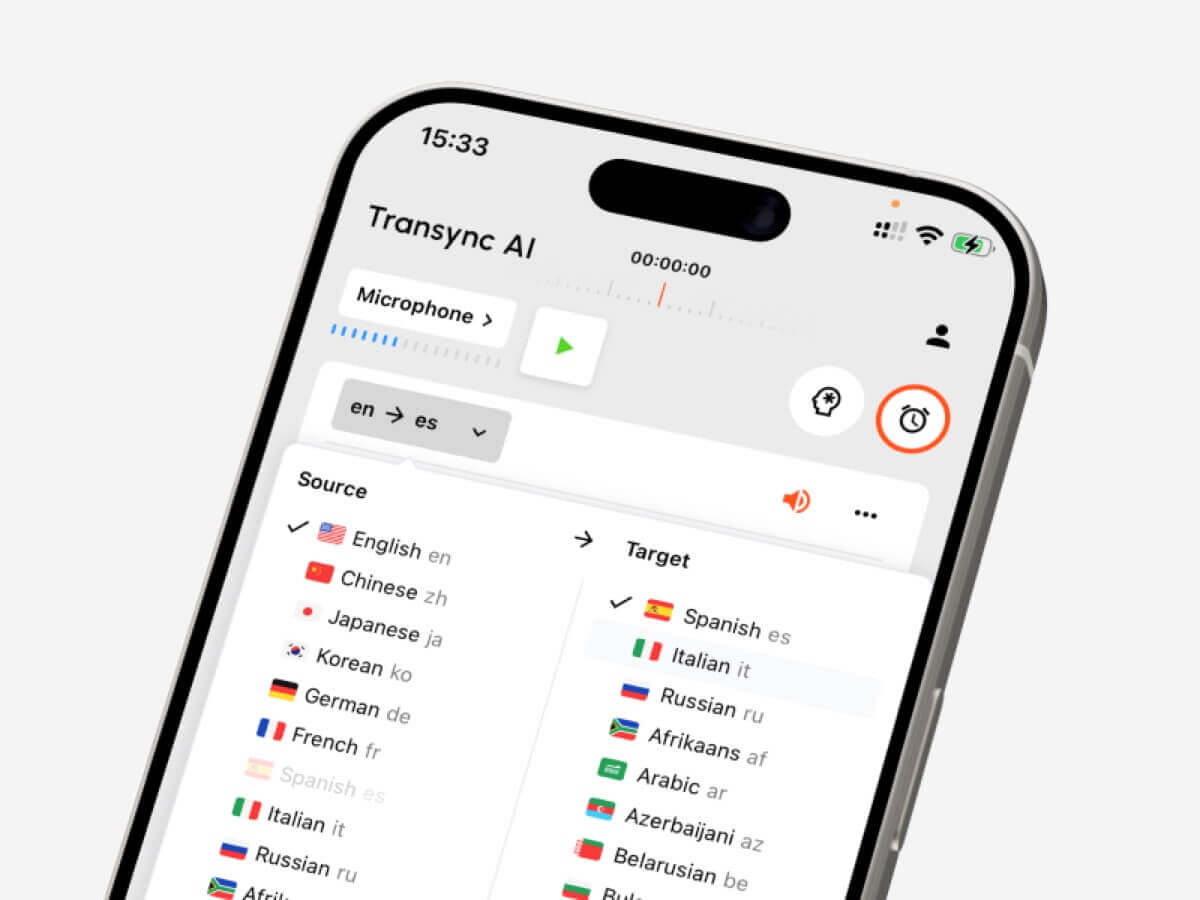

Przewodnik po tłumaczeniach na język hiszpański: dowiedz się, jak region, ton, kontekst, głos i format spotkania wpływają na dokładność tłumaczenia — i jak wybrać odpowiednie narzędzie.
Tłumaczenie hiszpańskie część zdania może być gramatycznie poprawna, ale mimo to brzmieć niepoprawnie dla osoby czytającej lub słuchającej.
Fraza napisana dla klienta w Madrycie może wydawać się nienaturalna w Meksyku. Swobodne wyrażenie użyte w rozmowie ze współpracownikiem może brzmieć zbyt poufale w formalnych negocjacjach. Bezpośrednie tłumaczenie angielskiego zwrotu biznesowego może zachować każde słowo, tracąc jednocześnie intencję mówiącego.
Te różnice stają się jeszcze ważniejsze podczas rozmów na żywo. Podczas spotkania wielojęzycznego nie ma czasu na przepisywanie każdego zdania po zakończeniu wypowiedzi mówcy. Tłumaczenie musi być szybkie, zachowywać sens, pasować do właściwego tonu i być wystarczająco zrozumiałe, aby druga osoba mogła odpowiedzieć.
W tym przewodniku wyjaśniono czynniki wpływające na dokładność tłumaczenia na język hiszpański oraz pokazano, jak dokonać wyboru pomiędzy tłumaczami tekstu, tłumaczami głosowymi, narzędziami do spotkań na żywo i tłumaczami ustnymi.
Szybka odpowiedź: Co sprawia, że tłumaczenie na język hiszpański jest dokładne?
Przydatne tłumaczenie na język hiszpański powinno spełniać pięć elementów:
- Zamierzone znaczenie
- Region docelowy
- Relacje między mówcami
- Temat lub branża
- Format komunikacji
To samo zdanie w języku angielskim może wymagać innego sformułowania w języku hiszpańskim w zależności od tego, czy pojawia się w:
- E-mail z obsługą klienta
- Umowa
- Prezentacja
- Swobodna rozmowa
- Rozmowa sprzedażowa
- Wykład uniwersytecki
- Spotkanie na Zoomie
- Demonstracja produktu
Jakość tłumaczenia nie zależy zatem wyłącznie od słownictwa. Chodzi o dobór języka odpowiedniego do sytuacji.
Dlaczego tłumaczenie na język hiszpański jest bardziej skomplikowane, niż wygląda?
Język hiszpański jest używany w wielu krajach i społecznościach. Jego podstawowa gramatyka pozostaje powszechnie zrozumiała, ale codzienne słownictwo, wymowa, formalność i preferowane wyrażenia różnią się w zależności od regionu.
Zmiany w słownictwie regionalnym
Jeden obiekt może mieć kilka akceptowanych nazw.
| Angielskie słowo | Hiszpania | Możliwe zastosowanie w Ameryce Łacińskiej |
|---|---|---|
| Komputer | ordynador | komputer |
| Samochód | samochód | samochód lub auto |
| Telefon komórkowy | mobilny | komórkowy |
| Sok | zumo | sok |
| Apartament | piso | apartamento or departamento |
Żadne z tych tłumaczeń nie jest automatycznie błędne. Najlepszy wybór zależy od odbiorców.
Firma tworząca treści szkoleniowe dla Hiszpanii może preferować ordynador. Przewodnik dla klientów z Ameryki Łacińskiej może zawierać: komputer. Globalna wersja hiszpańskojęzyczna może, w miarę możliwości, unikać terminów regionalnych.
Formalność wpływa na przekaz
W języku hiszpańskim rozróżnia się nieformalne i formalne sposoby zwracania się do ludzi.
- Tu jest powszechnie używane w sytuacjach nieformalnych lub potocznych.
- Usted jest używane w sytuacjach bardziej formalnych, pełnych szacunku lub nietypowych.
- Vosotros jest powszechnie stosowanym nieformalnym zwrotem w liczbie mnogiej w Hiszpanii.
- Ustedes jest powszechnie stosowany w Ameryce Łacińskiej w formie zwrotu mnogiego oraz w formalnym języku hiszpańskim w Hiszpanii.
- Vos jest powszechny w wielu regionach Ameryki Łacińskiej.
Narzędzie do tłumaczenia musi rozumieć, kto do kogo mówi.
Na przykład angielskie wyrażenie “Czy możesz wysłać plik dzisiaj?” można przetłumaczyć inaczej:
- Bliski kolega z drużyny
- Nowy klient
- Starszy dyrektor
- Użytkownik obsługi klienta
- Grupa uczestników konferencji
Zamierzony ton ma takie samo znaczenie jak dosłowne znaczenie.
Angielskie zwroty biznesowe mogą nie być tłumaczone dosłownie
W języku angielskim biznesowym można wyróżnić następujące wyrażenia:
- “Wróćmy do tego.”
- “Musimy coś zmienić”.”
- “To jest bolesny punkt”.”
- “Przenieśmy to do sieci”.”
- “Jesteśmy zgodni”.”
- “Czy możesz wykonać to zadanie?”
Dosłowne tłumaczenie na język hiszpański może wydawać się mylące lub zbyt mechaniczne.
Mocniejsze tłumaczenie oddaje funkcję tego zwrotu:
- Wróć do tematu później
- Wygeneruj znaczący wynik
- Zidentyfikuj problem klienta
- Omówmy tę kwestię osobno
- Potwierdź zgodę
- Przyjmij odpowiedzialność za zadanie
Dlatego podczas spotkań i komunikacji zawodowej niezwykle istotne jest tłumaczenie uwzględniające kontekst.
1. Określ odbiorców przed tłumaczeniem
Zanim wybierzesz słowa, zdecyduj, kto będzie odbiorcą tłumaczenia.
Zapytać:
- Czy publiczność pochodzi z Hiszpanii czy Ameryki Łacińskiej?
- Czy treść dotyczy jednego czy kilku krajów?
- Czy ton jest formalny, neutralny czy swobodny?
- Czy czytelnik jest klientem, pracownikiem, studentem czy partnerem biznesowym?
- Czy język hiszpański będzie pisany, mówiony, czy też jedno i drugie?
Kiedy neutralny hiszpański jest przydatny
Neutralny język hiszpański ma na celu unikanie wyrażeń, które są ściśle kojarzone z jednym krajem.
Może dobrze działać w przypadku:
- Międzynarodowa dokumentacja produktu
- Kursy online
- Globalna obsługa klienta
- Prezentacje korporacyjne
- Interfejsy oprogramowania
- Spotkania międzynarodowe
Jednak neutralny hiszpański nie oznacza kulturowo pustego hiszpańskiego. Treść nadal wymaga naturalnej struktury zdań i odpowiedniego tonu.
Kiedy regionalny hiszpański jest lepszy
Tłumaczenia regionalne są skuteczniejsze, gdy treść jest skierowana do określonego rynku.
Na przykład:
- Reklama dla Hiszpanii
- Obsługa klienta w Meksyku
- Szkolenia pracowników w Argentynie
- Komunikacja w opiece zdrowotnej w Kolumbii
- Wdrażanie produktu w Chile
Lokalne słownictwo może sprawić, że przekaz będzie wydawał się bardziej znajomy i wiarygodny.
2. Dopasuj narzędzie do formatu tłumaczenia
Fraza tłumaczenie hiszpańskie może odnosić się do kilku różnych zadań. Każde z nich wymaga innego przepływu pracy.
| Zadanie tłumaczeniowe | Najlepszy typ narzędzia |
| Przetłumacz krótkie zdanie | Tłumacz tekstu |
| Przetłumacz długi raport | Narzędzie do tłumaczenia dokumentów |
| Zlokalizuj witrynę internetową | Platforma lokalizacyjna |
| Przetłumacz nagrany wywiad | Narzędzie do transkrypcji i tłumaczenia audio |
| Porozmawiaj z kimś osobiście | Dwukierunkowy tłumacz głosowy |
| Śledź spotkanie online w języku hiszpańskim | Tłumacz spotkań na żywo |
| Przetłumacz umowę prawną | Profesjonalny tłumacz ludzki |
| Zinterpretuj konsultację medyczną | Wykwalifikowany tłumacz ludzki |
Narzędzie, które dobrze sprawdza się w przypadku dokumentów, może nie być odpowiednie do prowadzenia rozmowy handlowej na żywo.
Podobnie tłumacz głosowy nastawiony na podróże może poradzić sobie z krótkimi pytaniami, ale nie będzie mógł korzystać z funkcji kontroli terminologii, napisów lub notatek ze spotkań niezbędnych w pracy.
3. Przetestuj tłumaczenie na język hiszpański za pomocą prawdziwych zdań
Przykłady promocyjne są zazwyczaj krótkie i starannie przygotowane. Prawdziwa komunikacja jest mniej przewidywalna.
Rzetelny test powinien obejmować:
- Pełne zdania
- Fragmenty zdań
- Poprawki
- Liczby i daty
- Nazwy
- Terminologia branżowa
- Szybkie pytania uzupełniające
- Wyrażenia regionalne
- Mieszana mowa hiszpańsko-angielska
Przykładowe zdania testowe
Używaj zdań takich jak:
Jeśli poprawiona specyfikacja zostanie zatwierdzona w najbliższy piątek, będziemy mogli dostarczyć 1250 sztuk do 18 października.
Wróćmy do kwestii cen po tym, jak zespół inżynierów potwierdzi harmonogram produkcji.
Zespół sprzedaży regionu Azji i Pacyfiku zaprezentuje model X300 podczas demonstracji produktu w przyszłym tygodniu.
Przepraszam, miałem na myśli drugi kwartał, a nie trzeci.
Poniższe przykłady sprawdzają, czy narzędzie może zachować:
- Takty muzyczne
- Daty
- Poprawki
- Nazwy produktów
- Znaczenie biznesowe
- Relacje zdań
Praktyczna tabela ocen
| Metryczny | Co oceniać |
| Oznaczający | Czy pierwotny zamiar został zachowany? |
| Dopasowanie regionalne | Czy język hiszpański jest zgodny z oczekiwaniami odbiorców? |
| Ton | Czy sformułowanie jest odpowiednio formalne lub nieformalne? |
| Terminologia | Czy nazwy i terminy techniczne zostały spójnie przetłumaczone? |
| Gramatyka | Czy wynik jest naturalny? |
| Utajenie | Czy tłumaczenie dotarło wystarczająco szybko? |
| Jakość głosu | Czy język hiszpański był wyraźny i swobodny? |
| Stabilność | Czy jakość pozostała spójna podczas dłuższej sesji? |
4. Dodaj kontekst do profesjonalnego tłumaczenia na język hiszpański
Tłumacze ogólni często mają trudności, gdy słowo ma wiele znaczeń.
Na przykład “roślina” może oznaczać:
- Fabryka
- Żywa roślina
- Sprzęt przemysłowy
- Akt umieszczania czegoś
- Osoba zatrudniona w organizacji w sposób tajny
Poprawne tłumaczenie na język hiszpański zależy od kontekstu.
Ten sam problem pojawia się w przypadku takich terminów jak:
- Model
- Ołów
- Konto
- Uwolnienie
- Zastosowanie
- Rurociąg
- Konwersja
- Prawo
- Osada
Jak słowa kluczowe poprawiają tłumaczenie na język hiszpański
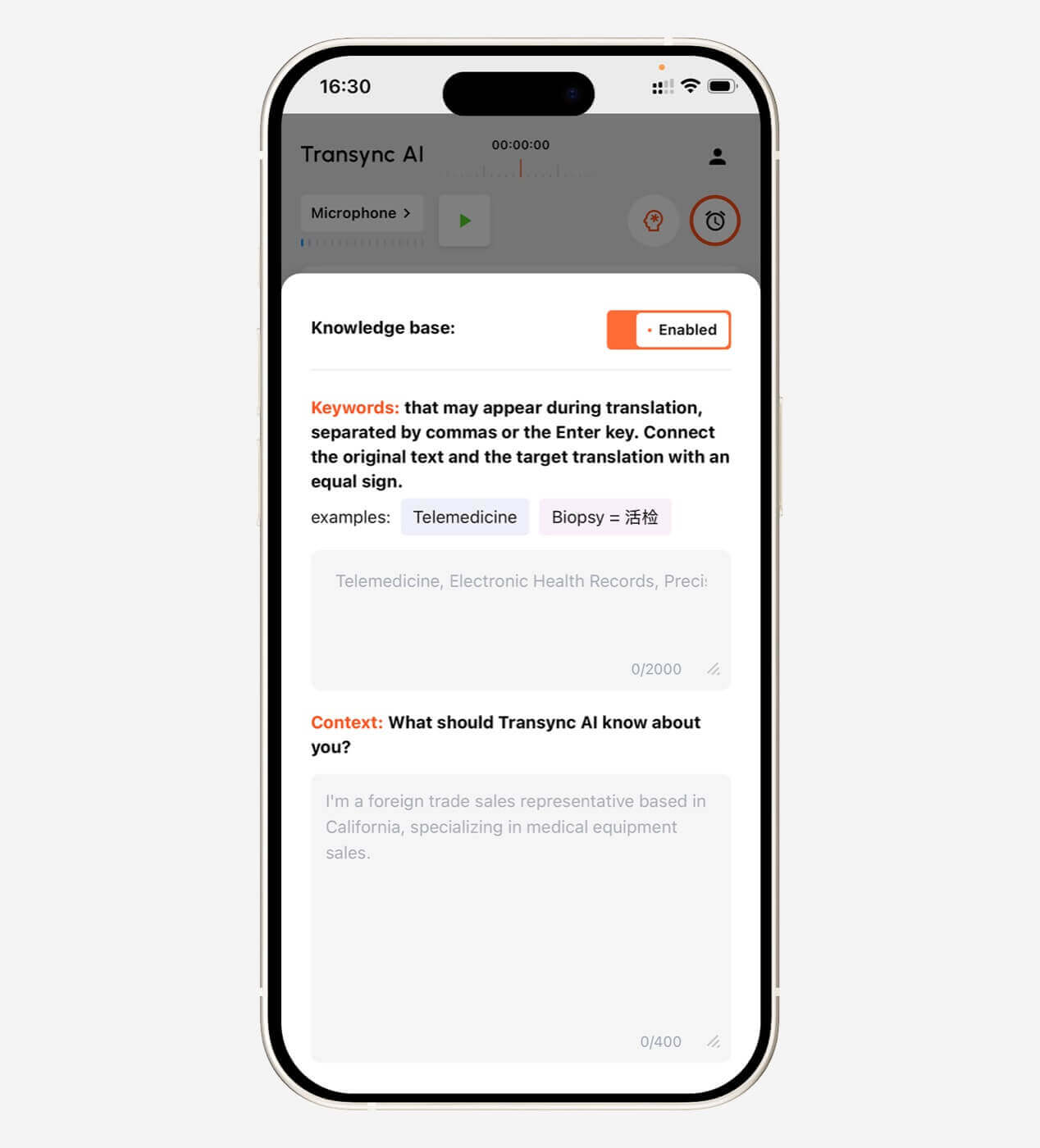
Przed spotkaniem zawodowym Transync AI umożliwia użytkownikom dodawanie ważnych terminów i preferowanych tłumaczeń.
Przykładowe słowa kluczowe:
- Transync AI = rozwiązanie
- falownik fotowoltaiczny = inversor fotovoltaico
- półprzewodnik = półprzewodnik
- Model X300
- Azja i Pacyfik
- Jan Kowalski
- łańcuch dostaw = cadena de sumistro
- wprowadzenie produktu na rynek = lanzamiento del Producto
Użytkownicy mogą również podać krótki opis dyskusji:
Spotkanie produktowe poświęcone urządzeniom do pozyskiwania energii odnawialnej, prognozom sprzedaży, harmonogramom instalacji, specyfikacjom technicznym i zgodności z przepisami regionalnymi.
Kontekst ten pomaga sztucznej inteligencji dobierać terminologię pasującą do tematu, zamiast traktować każde zdanie jako odizolowaną frazę.
Funkcja ta jest szczególnie przydatna dla:
- Technologia
- Produkcja
- Energia odnawialna
- Finanse
- Badania naukowe
- Administracja opieki zdrowotnej
- Pokazy oprogramowania
- Sprzedaż międzynarodowa
- Wdrażanie klientów
Dowiedz się więcej od Asystent AI Słowa kluczowe Kontekst.
 5. Oceń tłumaczenie podczas prawdziwej rozmowy
 5. Oceń tłumaczenie podczas prawdziwej rozmowy
Pisemne tłumaczenie z języka hiszpańskiego może zostać sprawdzone przed publikacją. Tłumaczenie ustne musi działać natychmiast.
Tłumacz języka hiszpańskiego w czasie rzeczywistym musi poradzić sobie z:
- Różne akcenty
- Szybka mowa
- Niekompletne zdania
- Naturalne pauzy
- Przerwy
- Angielskie nazwy produktów w zdaniach hiszpańskich
- Odpowiedzi hiszpańskie na spotkaniach w języku angielskim
- Szum tła
- Wiele głośników
Jak wygląda dobre tłumaczenie na żywo na język hiszpański?
Doświadczenie powinno pozwalać obu uczestnikom na kontynuowanie rozmowy bez konieczności ciągłego zarządzania oprogramowaniem.
Tłumaczenie powinno:
- Wyświetla się przed zmianą tematu
- Zachowaj ważne poprawki
- Rozróżnij wybrane języki
- Wyświetl czytelne napisy
- Unikaj mówienia za plecami następnego uczestnika
- Zachowaj spójność nazw i numerów
- Wspieraj oba kierunki rozmowy
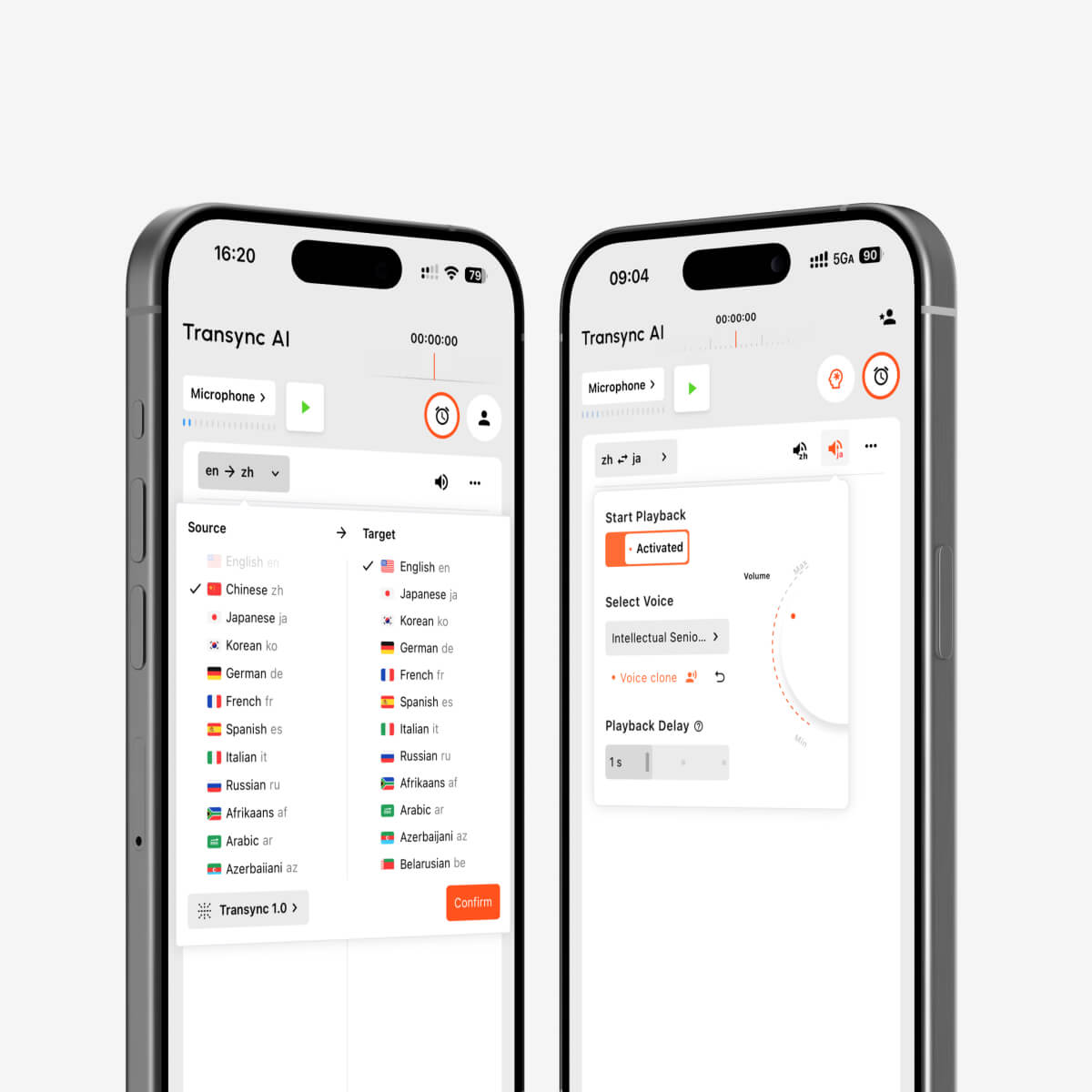
Transync AI obsługuje dwukierunkowe tłumaczenie w czasie rzeczywistym w 60 językach, w tym hiszpańskim, angielskim, chińskim, japońskim, koreańskim, francuskim, niemieckim, włoskim, rosyjskim i kantońskim.
Modele Gale 2.0, Monsoon 2.0 i Jetstream 2.0 zostały zaprojektowane z myślą o zwiększeniu szybkości, ciągłości i stabilności tłumaczenia w rzeczywistych warunkach konwersacyjnych, obejmujących krótkie wypowiedzi, mieszanki języków, hałas i nieregularne dzielenie zdań.
Dostępne opcje językowe można sprawdzić na stronie Języki obsługiwane przez Transync AI strona.
Tłumaczenie na język hiszpański aplikacji Zoom, Teams i Google Meet
Spotkania międzynarodowe często wymagają czegoś więcej niż tylko przetłumaczonego tekstu.
Uczestnicy mogą być zobowiązani do:
- Przeczytaj hiszpańskie napisy
- Posłuchaj przetłumaczonej mowy po hiszpańsku
- Odpowiedz po angielsku
- Prezentuj slajdy
- Zweryfikuj numery i nazwy produktów
- Przejrzyj decyzje po spotkaniu
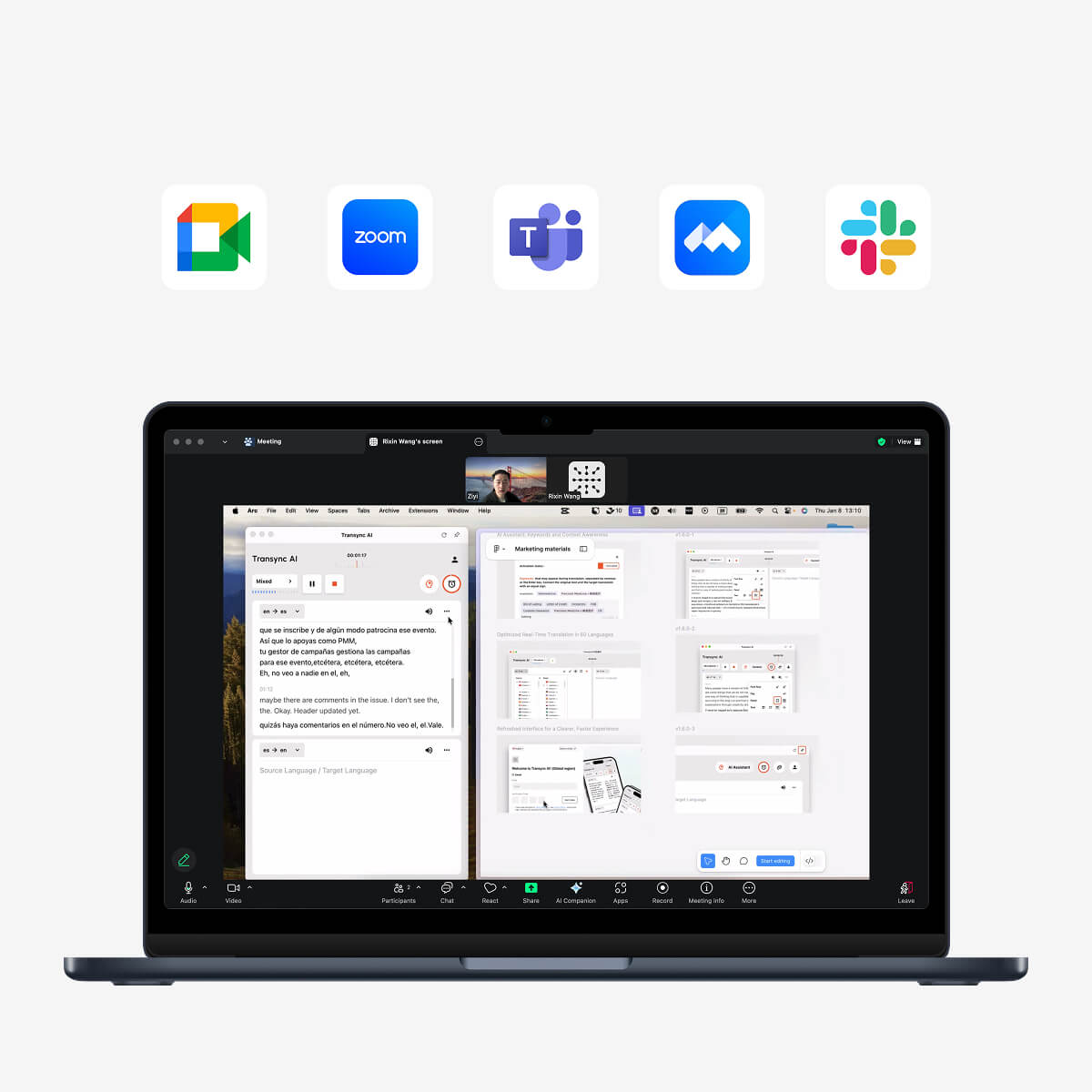
Transync AI działa jako samodzielne oprogramowanie i może być używane wraz z:
- Zoom
- Microsoft Teams
- Google Meet
Oryginalną mowę i przetłumaczoną treść można wyświetlać razem. Użytkownicy mogą również włączyć transmisję głosu AI dla przetłumaczonej mowy.
Aby możliwe było odtworzenie przetłumaczonego głosu na spotkaniu, konieczne może być skonfigurowanie dźwięku systemowego lub mikrofonu wirtualnego.
Poznaj przepływ pracy na Tłumaczenie na żywo AI Meeting strona.
Tłumaczenie głosowe na język hiszpański: co warto sprawdzić?
Tłumacz głosowy języka hiszpańskiego powinien nie tylko poprawnie wymawiać słowa, ale także tworzyć mowę, którą łatwo zrozumieć.
Oceniać:
- Wymowa
- Prędkość mówienia
- Naturalne pauzy
- Ton głosu
- Rytm zdania
- Opóźnienie przed odtwarzaniem
- Przydatność regionalna
- Czy odtwarzanie nakłada się na odtwarzanie kolejnego mówcy
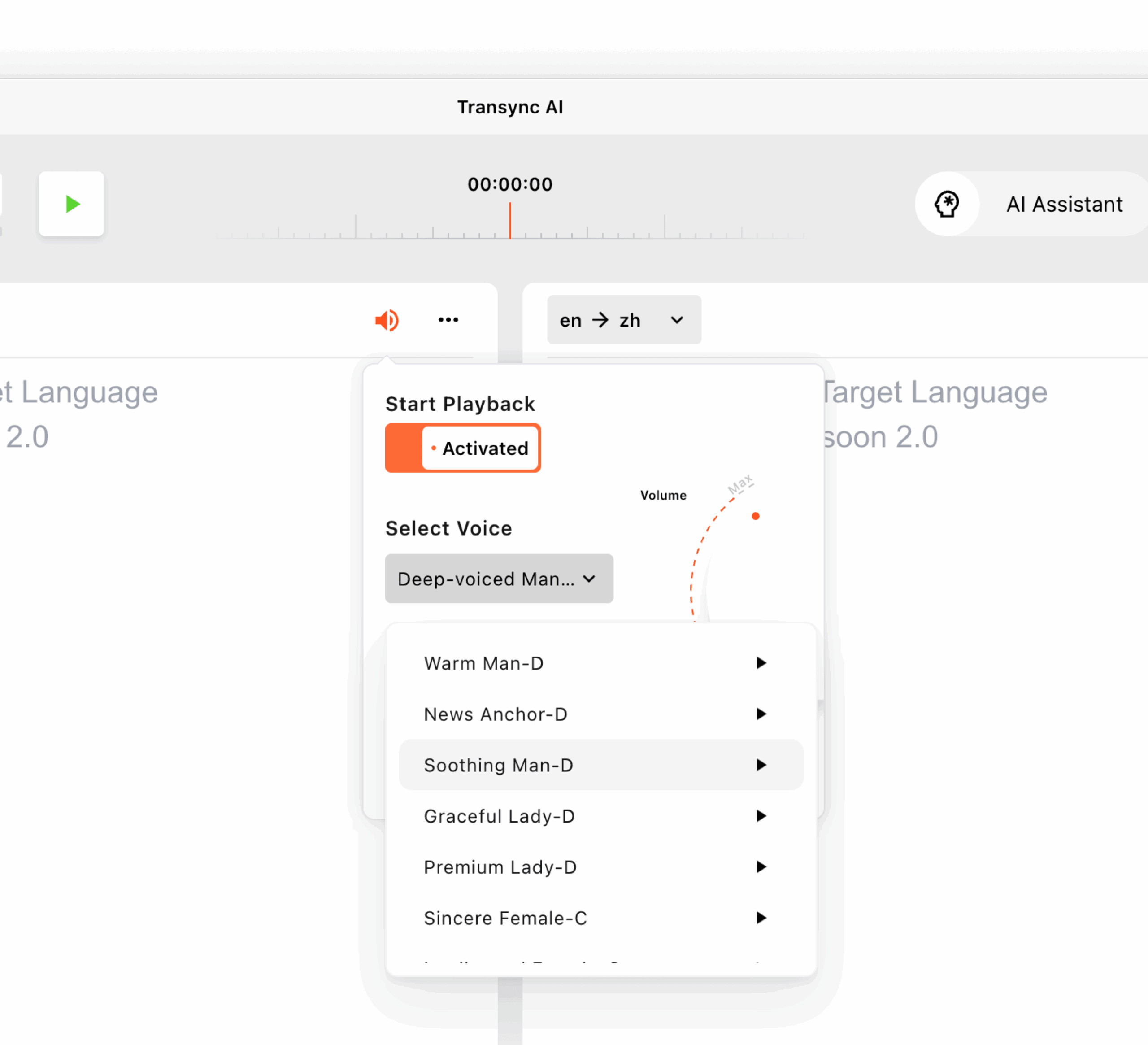
Transync AI oferuje wiele opcji głosowych AI i podgląd głosu. Użytkownicy mogą odsłuchać głosy przed rozpoczęciem zadania i wybrać ten, który najlepiej pasuje do spotkania, prezentacji, zajęć lub rozmowy.
Obsługiwane jest również klonowanie głosu. Przetłumaczony język hiszpański można odtwarzać głosem przypominającym głos użytkownika, co może być przydatne podczas prezentacji, demonstracji i rozmów międzynarodowych.
Dane głosowe są bezpiecznie przechowywane i nie są wykorzystywane do szkolenia sztucznej inteligencji.
Dowiedz się więcej od Tłumacz głosu AI i wyjście mowy.
 Napisy w języku hiszpańskim podczas prezentacji lub wykonywania wielu zadań jednocześnie
 Napisy w języku hiszpańskim podczas prezentacji lub wykonywania wielu zadań jednocześnie
Podczas spotkań użytkownicy rzadko ograniczają się do jednej aplikacji.
Być może będą musieli:
- Prezentuj slajdy
- Otwórz arkusz kalkulacyjny
- Zaprezentuj oprogramowanie
- Sprawdź stronę produktu
- Notować
- Przejrzyj umowę
- Przełącz karty przeglądarki
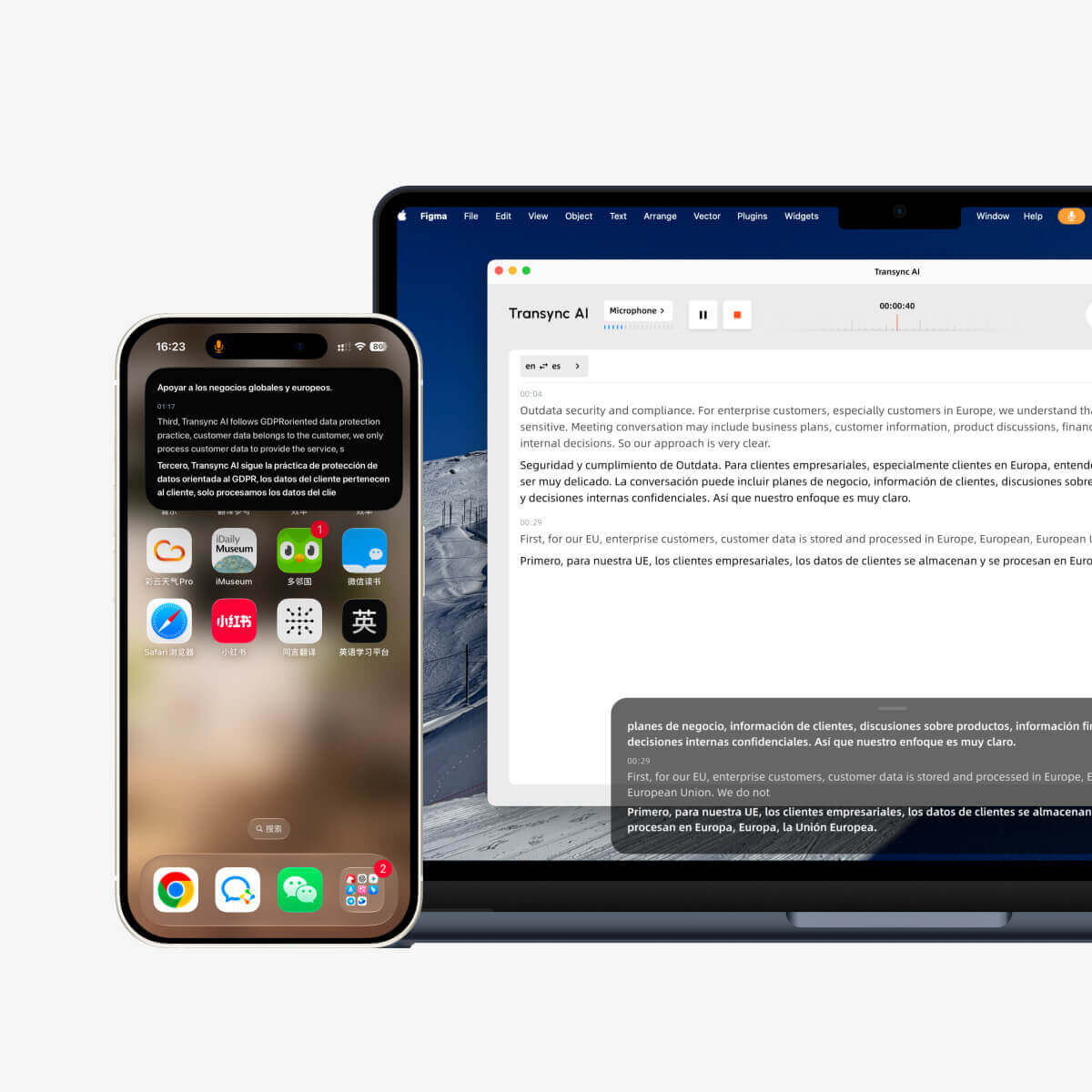
Napisy w trybie obraz w obrazie Transync AI mogą być wyświetlane powyżej napisów w innych aplikacjach w obsługiwanych przepływach pracy na komputerach Mac, Windows i iOS.
Dzięki temu użytkownicy mogą nadal widzieć tłumaczenie na język hiszpański, kontynuując pracę.
Pływające okno napisów jest szczególnie przydatne w następujących przypadkach:
- Webinaria
- Wykłady
- Pokazy produktów
- Prezentacje dla klientów
- Szkolenia zdalne
- Warsztaty wielojęzyczne
Widzieć Obraz w obrazie – pływające napisy.
 Co się wydarzy po spotkaniu w Hiszpanii?
 Co się wydarzy po spotkaniu w Hiszpanii?
Tłumaczenie jest przydatne w trakcie rozmowy, ale zespoły nadal będą potrzebować zapisu później.
Spotkanie w języku hiszpańsko-angielskim może obejmować:
- Decyzje
- Terminy
- Przypisane zadania
- Ceny
- Wymagania dotyczące produktu
- Nierozwiązane pytania
- Prośby o kontynuację
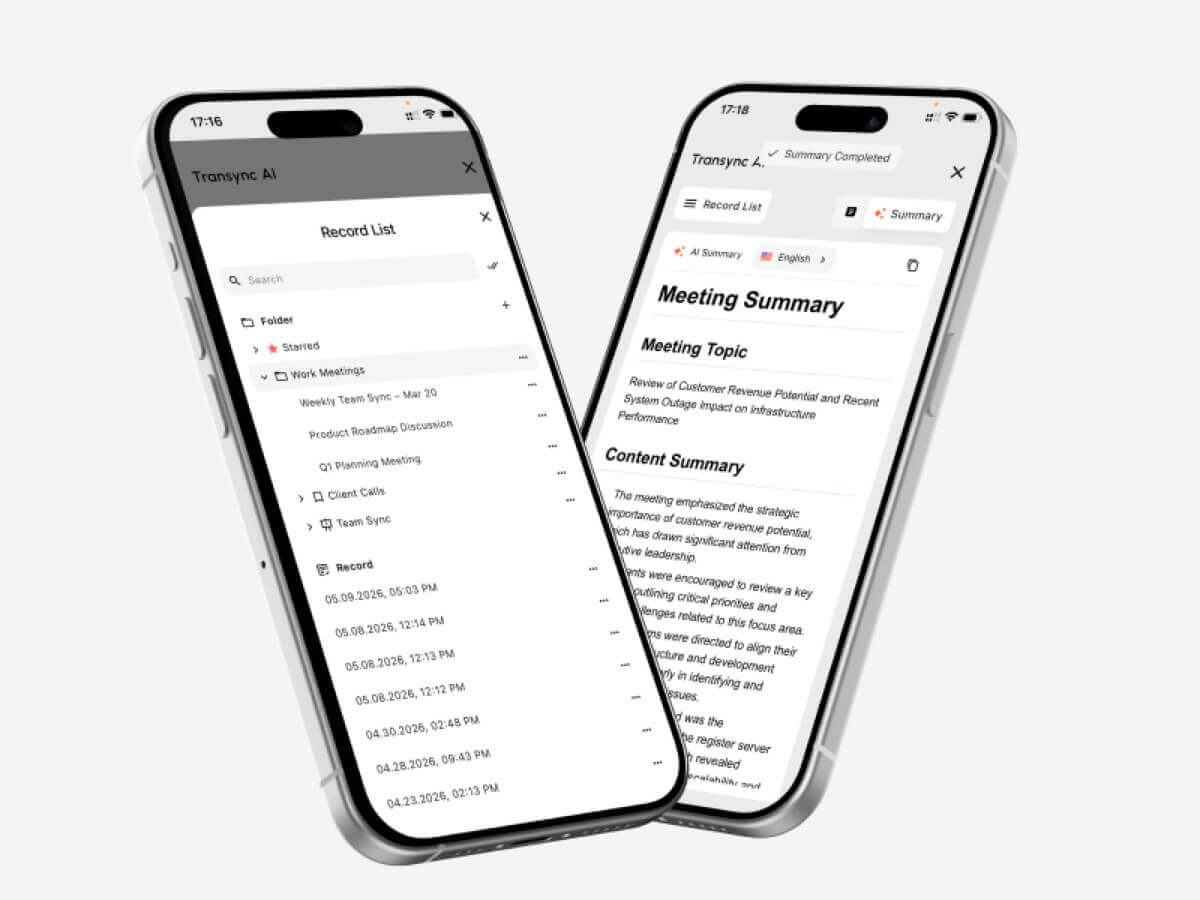
Transync AI może generować notatki ze spotkań z wykorzystaniem sztucznej inteligencji (AI) na podstawie przetłumaczonej rozmowy. Dzięki temu użytkownicy mogą przeglądać najważniejsze punkty bez konieczności ręcznego tłumaczenia i jednoczesnego robienia notatek.
Po spotkaniu użytkownicy powinni jeszcze zweryfikować:
- Nazwy
- Daty
- Wielkie ilości
- Ceny
- Terminologia techniczna
- Zobowiązania umowne
Aby uzyskać więcej informacji, odwiedź Notatki ze spotkań AI z tłumaczeniem w czasie rzeczywistym.
 Które narzędzia do tłumaczeń z języka hiszpańskiego sprawdzają się w różnych sytuacjach?
 Które narzędzia do tłumaczeń z języka hiszpańskiego sprawdzają się w różnych sytuacjach?
Zamiast wybierać jedno narzędzie do każdego zadania, dopasuj produkt do przepływu pracy.
| Narzędzie | Najlepiej nadaje się do | Zastanów się zanim dokonasz wyboru |
| Transync AI | Spotkania dwukierunkowe, tłumaczenie głosu, napisy i notatki ze spotkań | Wymaga dostępu do Internetu; koncentruje się na żywej mowie, a nie na obrazach i dokumentach |
| DeepL | Tłumaczenia pisemne i profesjonalne procesy językowe | Sprawdź, czy dostępne produkty głosowe pasują do Twojej platformy i regionu |
| JotMe | Napisy na żywo, tłumaczenia, transkrypcje i notatki ze spotkań | Lepiej nadaje się na spotkania niż na szeroką interpretację wydarzeń |
| Talo | Tłumaczenie AI w ramach przepływów pracy spotkań online | Konfiguracja oparta na bocie może nie pasować do każdego spotkania |
| Maestra AI | Tłumaczenie głosowe, napisy, webinaria i dłuższe sesje na żywo | Szersze możliwości organizacji wydarzeń mogą okazać się większe, niż potrzebują małe zespoły |
| Światowa sztuczna inteligencja | Konferencje, webinaria i dostęp do publiczności wielojęzycznej | W przypadku sporadycznych połączeń ustalanie cen i konfiguracja uwzględniająca wydarzenia mogą okazać się zbędne |
Produkty te rozwiązują nakładające się na siebie, ale różne problemy.
Na przykład:
- Autor tłumaczący artykuł z języka hiszpańskiego może preferować narzędzia skoncentrowane na tekście.
- Zespół pracujący zdalnie może priorytetowo traktować napisy w czasie rzeczywistym i notatki ze spotkań.
- Organizator konferencji może potrzebować odbiorców posługujących się wieloma językami.
- Przedstawiciel handlowy może potrzebować szybkiego, dwukierunkowego tłumaczenia głosu.
- Zespół prawny może nadal potrzebować wykwalifikowanego tłumacza.
Nazwy konkurentów i oficjalne linki podane powyżej pochodzą z dostępnej listy porównawczej, a nie ograniczają się do starszych tłumaczy ogólnego przeznaczenia.
Tłumaczenie na język hiszpański: narzędzie AI czy tłumacz?
Narzędzia oparte na sztucznej inteligencji są coraz bardziej przydatne, ale nie eliminują potrzeby korzystania z usług profesjonalnych tłumaczy i interpretatorów.
| Czynnik | Tłumaczenie AI | Tłumaczenie lub interpretacja ludzka |
| Dostępność | Zwykle natychmiastowe | Wymaga harmonogramu |
| Koszt | Oparte na subskrypcji lub użytkowaniu | Opłata za słowo, godzinę lub projekt |
| Rutynowe spotkania | Praktyczne do częstego stosowania | Może być kosztowny w codziennej komunikacji |
| Niuanse kulturowe | Można przeoczyć subtelne implikacje | Lepsze dostosowywanie znaczenia i tonu |
| Terminologia | Można poprawić kontekst i słowa kluczowe | Zależy od specjalizacji zawodowej |
| Prędkość | Prawie w czasie rzeczywistym | W czasie rzeczywistym lub w oparciu o projekt |
| Odpowiedzialność | Ograniczony | Może obowiązywać odpowiedzialność zawodowa |
| Najlepsze zastosowanie | Rutynowa komunikacja | Treści wysokiego ryzyka lub treści krytyczne dla publikacji |
Skorzystaj z usług profesjonalnego tłumacza, aby:
- Umowy prawne
- Konsultacje lekarskie
- Postępowanie sądowe
- Wywiady imigracyjne
- Instrukcje bezpieczeństwa
- Dokumenty regulacyjne
- Negocjacje o wysokiej wartości
- Kampanie skierowane do opinii publicznej, w których kluczowe znaczenie ma dobór słów
Sztuczna inteligencja lepiej sprawdza się podczas rutynowych spotkań, zajęć, wewnętrznych dyskusji, prezentacji produktów, podróży i codziennej komunikacji.
Typowe problemy w tłumaczeniu z języka angielskiego na hiszpański
Tłumaczenie idiomów dosłownie
Wyrażenia takie jak “przełamać lody” lub “ruszyć z kopyta” mogą wymagać raczej adaptacji niż dosłownego tłumaczenia.
Wybór niewłaściwej formalności
Używanie nieformalnego języka w rozmowie z doświadczonym klientem może brzmieć niestosownie. Używanie bardzo formalnego języka w rozmowie z bliskim członkiem zespołu może sprawiać wrażenie dystansu.
Ignorowanie słownictwa regionalnego
Słowo, które brzmi naturalnie w Hiszpanii, gdzie indziej może wydawać się obce.
Utrata tematu
Ponieważ język angielski i hiszpański inaczej traktują zaimki, dosłowne tłumaczenie może skutkować zdaniami powtarzającymi się lub niejasnymi.
Niewłaściwe obchodzenie się z nazwami produktów
Nazwy marek, numery modeli i skróty techniczne można traktować jak zwykłe słowa.
Tłumaczenie przed zakończeniem zdania
W przypadku tłumaczenia na żywo może zaistnieć konieczność dokonania korekty wstępnego wyniku po zmianie kierunku wypowiedzi mówcy.
Nie udało się potwierdzić numerów
Daty, ceny, procenty i ilości należy sprawdzić po zakończeniu ważnych rozmów.
Praktyczny test tłumaczeniowy z języka hiszpańskiego
Zanim zaczniesz używać jakiegoś narzędzia, przeprowadź 15–20-minutowy test, wykorzystując swój rzeczywisty styl komunikacji.
Uwzględnij następujące elementy:
- Swobodne wprowadzenie
- Formalna prośba
- Wyjaśnienie produktu lub techniczne
- Zdanie z liczbami i datami
- Wyrażenie regionalne
- Korekta
- Zdanie mieszane w języku hiszpańskim i angielskim
- Krótka przerwa
- Pytanie uzupełniające
- Podsumowanie końcowe
Przetestuj oba kierunki
Nie testuj wyłącznie z języka angielskiego na hiszpański.
Przetestuj również:
- z hiszpańskiego na angielski
- Krótkie odpowiedzi po hiszpańsku
- Długie wyjaśnienia po hiszpańsku
- Mowa mieszana
- Wymowa regionalna
- Formułowanie formalne i nieformalne
Narzędzie może działać różnie w zależności od kierunku tłumaczenia.
Cennik Transync AI dla tłumaczeń hiszpańskich
| Plan | Cena | Wliczone użycie | Najlepszy dla |
| Bezpłatny | $0 | 40 minut dla nowych użytkowników | Testowanie wstępne |
| Premia osobista | $8,99/miesiąc | 10 godzin w okresie aktywnego członkostwa | Osoby indywidualne i regularne spotkania |
| Przedsiębiorstwo | $24,99/miesiąc/miejsce | Do 40 godzin miesięcznie na stanowisko | Zespoły i organizacje |
| Karta czasu | Od $0,70/godzinę | Dodatkowy czas tłumaczenia | Użytkownicy ze zmieniającym się miesięcznym zapotrzebowaniem |
Godziny z karty czasu pracy nie tracą ważności, ale można z nich korzystać wyłącznie w okresie aktywności członkostwa.
Porównując plany, zamiast porównywać wyłącznie ceny miesięczne, kalkuluj koszty na podstawie faktycznego czasu spędzonego na spotkaniu.
Ograniczenia do poznania
Żadne narzędzie do tłumaczenia języka hiszpańskiego nie działa idealnie w każdej sytuacji.
Dokładność może się zmniejszyć w przypadku:
- Głośny hałas w tle
- Słabe mikrofony
- Kilka osób mówiących jednocześnie
- Niestabilny internet
- Bardzo szybka mowa
- Slang regionalny
- Mocne akcenty
- Niekompletne zdania
- Terminy techniczne bez kontekstu
- Szybkie przełączanie między językiem hiszpańskim i angielskim
Transync AI ma również ograniczenia specyficzne dla danego produktu:
- Tryb offline jest niedostępny
- Rozpoznawanie obrazu nie jest obsługiwane
- Tłumaczenie tekstu statycznego nie jest jego głównym celem
- Działa jako samodzielne oprogramowanie, a nie jako wtyczka do spotkań
- Użycie jest liczone kumulatywnie na wszystkich urządzeniach
- Jakość dźwięku i sieci wpływa na wydajność
Ograniczenia te sprawiają, że rozwiązanie to lepiej nadaje się do spotkań na żywo i komunikacji ustnej niż do skanowania dokumentów, tłumaczenia obrazów lub kompleksowej lokalizacji stron internetowych.
FAQ: Tłumaczenie na język hiszpański
Co oznacza “tłumaczenie hiszpańskie”?
Odnosi się do hiszpańskiej wersji treści pisanych lub mówionych. Prawidłowe tłumaczenie zależy od znaczenia, regionu, tonu, kontekstu i formatu komunikacji.
Czy język hiszpański pochodzący z Hiszpanii różni się od hiszpańskiego pochodzącego z Ameryki Łacińskiej?
Język ten jest powszechnie zrozumiały dla obu stron, jednak słownictwo, wymowa, zaimki i popularne wyrażenia różnią się w zależności od regionu.
Jakie narzędzie jest najlepsze do spotkań w języku angielskim i hiszpańskim?
Zwróć uwagę na niskie opóźnienia, dwukierunkowe wykrywanie języka, czytelne napisy, przetłumaczony głos, ustawienia terminologii, zgodność ze spotkaniami i notatki po spotkaniu. Transync AI został zaprojektowany do tego typu komunikacji na żywo.
Czy Transsync AI obsługuje język hiszpański?
Tak. Język hiszpański jest jednym z 60 obsługiwanych języków przez Transync AI i można go używać w dwukierunkowych tłumaczeniach w czasie rzeczywistym.
Czy Transync AI może tłumaczyć spotkania Zoom w języku hiszpańskim?
Tak. Aplikacja może współpracować z Zoom, Microsoft Teams i Google Meet, oferując dwujęzyczne napisy i obsługę tłumaczeń głosowych.
Czy mogę wybrać głos hiszpański?
Transync AI oferuje wiele opcji głosowych AI i podgląd głosu. Dostępne głosy można sprawdzić przed rozpoczęciem tłumaczenia.
Czy sztuczna inteligencja potrafi tłumaczyć regionalny język hiszpański?
Narzędzia AI potrafią rozpoznawać wiele form regionalnych, ale ich wydajność jest różna. Przetestuj rzeczywistych mówców i słownictwo, z którymi możesz się spotkać, a następnie dodaj trafne słowa kluczowe i kontekst.
Czy sztuczna inteligencja nadaje się do tłumaczeń prawniczych z języka hiszpańskiego?
Sztuczna inteligencja może pomóc w ogólnym zrozumieniu, ale w przypadku komunikacji prawnej, medycznej, regulacyjnej i innej komunikacji o wysokim ryzyku zaleca się skorzystanie z wykwalifikowanego tłumaczenia lub interpretacji ze strony człowieka.
Czy Transsync AI działa w trybie offline?
Nie. Transync AI wymaga połączenia internetowego i obecnie nie obsługuje tłumaczeń offline.
Ostatnie przemyślenia: najlepsze tłumaczenie na język hiszpański pasuje do sytuacji
Tłumaczenie hiszpańskie nie jest po prostu wynikiem zastąpienia słów angielskich słowami hiszpańskimi.
Mocne tłumaczenie odzwierciedla:
- Zamierzone znaczenie
- Region widowni
- Odpowiedni poziom formalności
- Temat, który jest omawiany
- Sposób dostarczenia tłumaczenia
W przypadku dokumentów i dopracowanych treści publicznych, ludzka weryfikacja może być niezbędna. Podczas spotkań na żywo, zajęć, wywiadów, prezentacji i rutynowych rozmów biznesowych, tłumaczenie w czasie rzeczywistym oparte na sztucznej inteligencji może znacznie zwiększyć dostępność komunikacji.
Transync AI łączy dwukierunkowe tłumaczenie z języka hiszpańskiego z dwujęzycznymi napisami, transmisją głosu przez sztuczną inteligencję, klonowaniem głosu, ustawieniami terminologii i kontekstu, notatkami ze spotkań przez sztuczną inteligencję i napisami ruchomymi.
To sprawia, że jest to najbardziej istotne, gdy tłumaczenie z języka hiszpańskiego musi zostać wykonane, gdy ludzie wciąż rozmawiają, a nie po zakończeniu rozmowy.
Aby rozpocząć, odwiedź Transync AI, zbadaj narzędzie do tłumaczenia w czasie rzeczywistym, lub pobierz aplikację na preferowane urządzenie.