
Guida ai software di traduzione in lingua cinese per il 2026: confronta funzionalità di testo, voce, riunioni, terminologia, prezzi e privacy prima di scegliere uno strumento.
Scegliere Software di traduzione in lingua cinese Sembra semplice finché non si prova a usarlo in una vera conversazione.
Una frase breve come "La spedizione arriverà venerdì prossimo" può essere facile da tradurre. Un incontro dal vivo con un fornitore è diverso. I relatori possono usare codici prodotto, nomi di aziende, numeri, accenti regionali, frasi incomplete e termini tecnici. Possono passare dal cinese all'inglese senza preavviso o aspettarsi una risposta prima che la frase tradotta sia completa.
Il software migliore non è quindi sempre quello con il maggior numero di lingue supportate. È piuttosto quello più adatto al contenuto, al contesto comunicativo e al livello di rischio.
Questa guida all'acquisto illustra le principali tipologie di software di traduzione cinese, le funzionalità importanti nella comunicazione in tempo reale, i limiti più comuni e come valutare se uno strumento come Transync AI è adatto al proprio flusso di lavoro.
Risposta rapida: Cos'è un software di traduzione in lingua cinese?
Software di traduzione in lingua cinese Converte il cinese scritto o parlato in un'altra lingua, oppure traduce un'altra lingua in cinese.
A seconda del prodotto, può supportare:
- Testo in cinese semplificato
- testo tradizionale cinese
- discorso in mandarino
- discorso cantonese
- Traduzione dall'inglese al cinese
- Traduzione dal cinese all'inglese
- Sottotitoli bilingue in tempo reale
- Uscita vocale tradotta
- Traduzione di documenti o pagine web
- Traduzione della riunione online
- Trascrizioni e appunti della riunione sull'IA
Queste funzioni non sono intercambiabili.
Uno strumento di traduzione automatica di documenti può essere utile per contratti o report, ma inadatto a una videochiamata Zoom in tempo reale. Un traduttore di viaggio può gestire domande brevi, ma non offre la stabilità, il controllo terminologico o il flusso di lavoro necessari per una discussione tecnica.
Prima di confrontare i marchi, definisci cosa devi effettivamente tradurre.
Di quale tipo di software di traduzione cinese hai bisogno?
La categoria corretta dipende dall'input e dall'output desiderato.
| Tipo di software | Ingresso principale | Uscita principale | Miglior utilizzo |
|---|---|---|---|
| Traduttore di testo | Testo digitato o incollato | Testo tradotto | Messaggi e brevi passaggi |
| Traduttore di documenti | File PDF, Word o di presentazione | Documento tradotto | Rapporti e file aziendali |
| Traduttore di siti web | Contenuto della pagina web | Pagina web localizzata | Leggere o pubblicare siti web |
| Traduttore di immagini | Foto, cartelli e screenshot | Testo visivo tradotto | Viaggi e materiale stampato |
| Traduttore vocale cinese | Discorso dal vivo | Testo o audio tradotto | Conversazioni faccia a faccia |
| Traduttore cinese per riunioni | Audio della riunione | Sottotitoli in tempo reale, voce e note | Zoom, Teams e Google Meet |
| Traduttore o interprete umano | lingua scritta o parlata | Traduzione professionale | comunicazione ad alto rischio o altamente sfumata |
Transync AI si concentra principalmente su parlato in tempo reale, riunioni, sottotitoli bilingue, output vocale tradotto, supporto terminologico e note post-riunione. Non è progettato come traduttore di immagini o piattaforma generica per la traduzione di documenti statici.
Perché la traduzione in cinese è più complessa della semplice sostituzione di parole?
La traduzione dal cinese implica molto più che la semplice corrispondenza delle singole parole.
Il cinese non utilizza gli spazi nello stesso modo dell'inglese.
Nella lingua cinese scritta, di solito non si usa uno spazio per separare ogni parola. Il software di traduzione deve quindi individuare dove termina una parola o una frase e ne inizia un'altra.
Una sequenza di caratteri può essere interpretata in modo diverso a seconda del contesto. Una segmentazione errata può cambiare il significato di un'intera frase.
Spesso gli argomenti vengono omessi
I parlanti cinesi possono omettere l'argomento quando questo è già sottinteso dal contesto.
Ad esempio, una frase può significare efficacemente:
- “L'ho inviato.”
- “L'ha inviato lei.”
- “"La squadra l'ha inviato."”
Uno strumento di traduzione deve dedurre il soggetto desiderato dal contesto della conversazione.
Il tono e la cortesia possono essere impliciti
L'inglese spesso comunica il tono attraverso frasi esplicite come "potresti", "ti dispiacerebbe" o "per favore". Il cinese può esprimere cortesia attraverso il contesto, la scelta delle parole, le particelle e la relazione tra gli interlocutori.
Una traduzione letterale può essere tecnicamente corretta, ma risultare troppo diretta, troppo formale o innaturale.
Un termine può avere diverse traduzioni valide
La terminologia commerciale e tecnica spesso dipende dal settore.
Ad esempio, il termine "modello" potrebbe riferirsi a:
- Un modello di intelligenza artificiale
- Un modello di prodotto
- Un modello di business
- Un modello statistico
- Un prototipo fisico
In assenza di contesto, il software potrebbe attribuire un significato errato.
Il mandarino e il cantonese non sono lo stesso input vocale
“Il termine "cinese" è molto generico. Il mandarino e il cantonese differiscono per pronuncia, vocabolario ed espressioni di uso quotidiano.
Un utente che lavora con fornitori della Cina continentale potrebbe aver bisogno di una traduzione in mandarino. Un utente che comunica con persone a Hong Kong o in alcune zone della Cina meridionale potrebbe invece aver bisogno di assistenza in cantonese.
Quando si valuta un software, è importante verificare le specifiche varietà linguistiche supportate, anziché basarsi unicamente sulla parola "cinese".“
Lista di controllo per l'acquisto di software di traduzione in lingua cinese
Prima di scegliere uno strumento, utilizza la seguente lista di controllo.
1. Supporta esattamente il tuo caso d'uso in lingua cinese?
Inizia con quattro domande:
- Stai traducendo da o verso il cinese?
- Hai bisogno di cinese semplificato, cinese tradizionale, mandarino o cantonese?
- L'input è costituito da testo scritto, parlato dal vivo, audio registrato o un documento?
- La traduzione deve avvenire in tempo reale?
Per esempio:
| Requisito | Strumento adatto |
| Traduci un'email dall'inglese al cinese | Traduttore di testo |
| Traduci un PDF cinese in inglese | Traduttore di documenti |
| Parla con un cliente che parla mandarino | Traduttore vocale bidirezionale |
| Segui una riunione online in cantonese | Traduttore vocale in tempo reale con supporto per il cantonese |
| Tradurre un manuale di prodotto cinese | Flusso di lavoro documentale professionale |
| Tradurre una negoziazione legale | Interprete umano qualificato |
Un prodotto può supportare la lingua cinese senza necessariamente supportare ogni formato o varietà linguistica regionale.
2. È in grado di tradurre in entrambe le direzioni?
Per la lettura è sufficiente una traduzione unidirezionale. La conversazione richiede una traduzione bidirezionale.
In una riunione bilingue cinese-inglese, un partecipante può parlare in mandarino mentre un altro risponde in inglese. Se il software traduce solo in una direzione, la riunione dipende comunque dal cambio di lingua da parte di un partecipante.
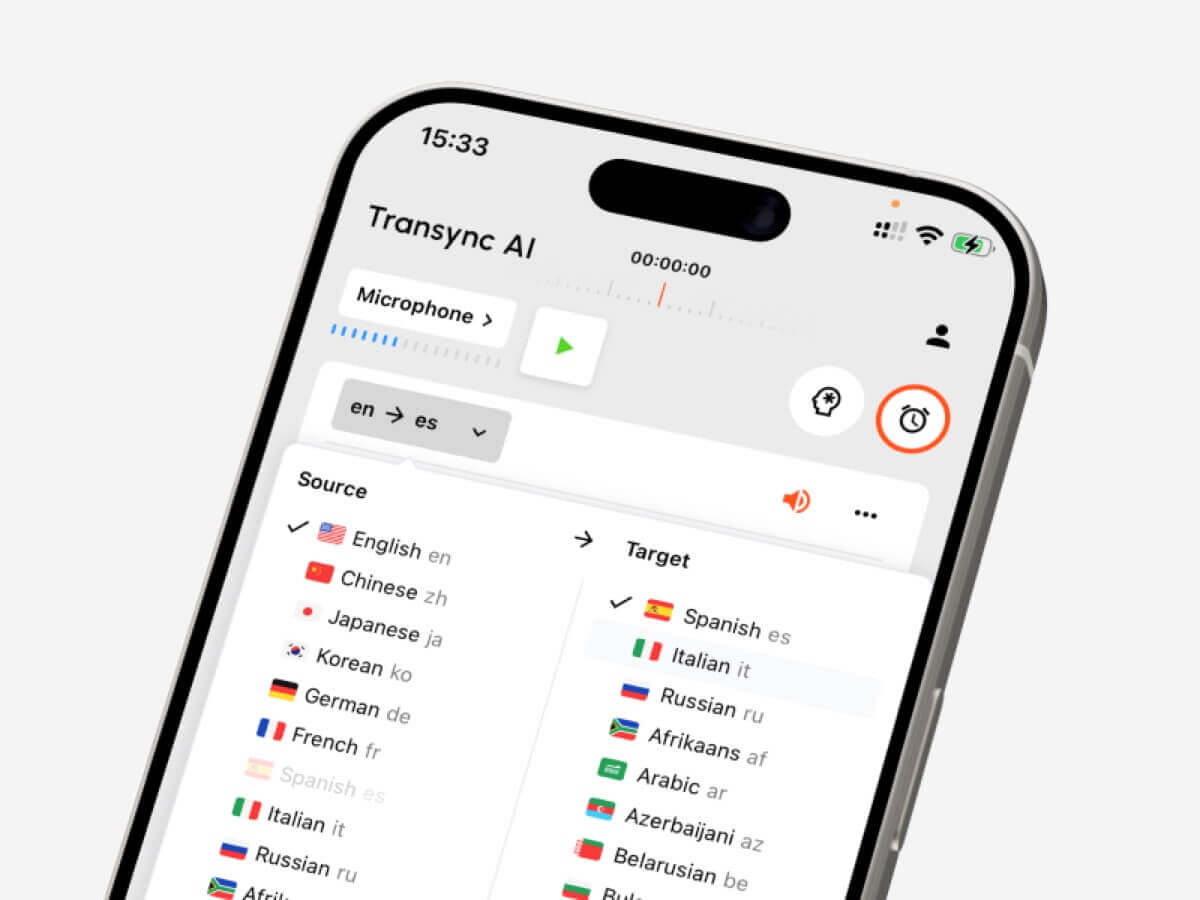
Transync AI supporta la traduzione bidirezionale tra le coppie di lingue supportate. Cinese, inglese, giapponese, coreano, cantonese, spagnolo, francese, tedesco, italiano, russo e altre lingue possono essere utilizzate nei flussi di lavoro di comunicazione in tempo reale.
Gli utenti possono rivedere le opzioni disponibili su Lingue supportate da Transync AI pagina.
 3. La traduzione è abbastanza veloce per una conversazione?
 3. La traduzione è abbastanza veloce per una conversazione?
La latenza è il ritardo tra l'input vocale e l'output tradotto.
Pochi secondi potrebbero non fare la differenza nella traduzione di un paragrafo. In una riunione, invece, un ritardo può causare:
- Persone che interrompono l'output tradotto
- Le domande arriveranno dopo che l'argomento sarà cambiato
- I relatori si ripetono
- I partecipanti devono interrompere i contributi
- Riproduzione vocale in sovrapposizione con l'oratore successivo
Per la traduzione in tempo reale dal cinese, valutate separatamente i sottotitoli e l'output vocale. L'output vocale richiede solitamente più tempo perché lo strumento deve riconoscere il parlato, tradurlo e generare un nuovo audio.
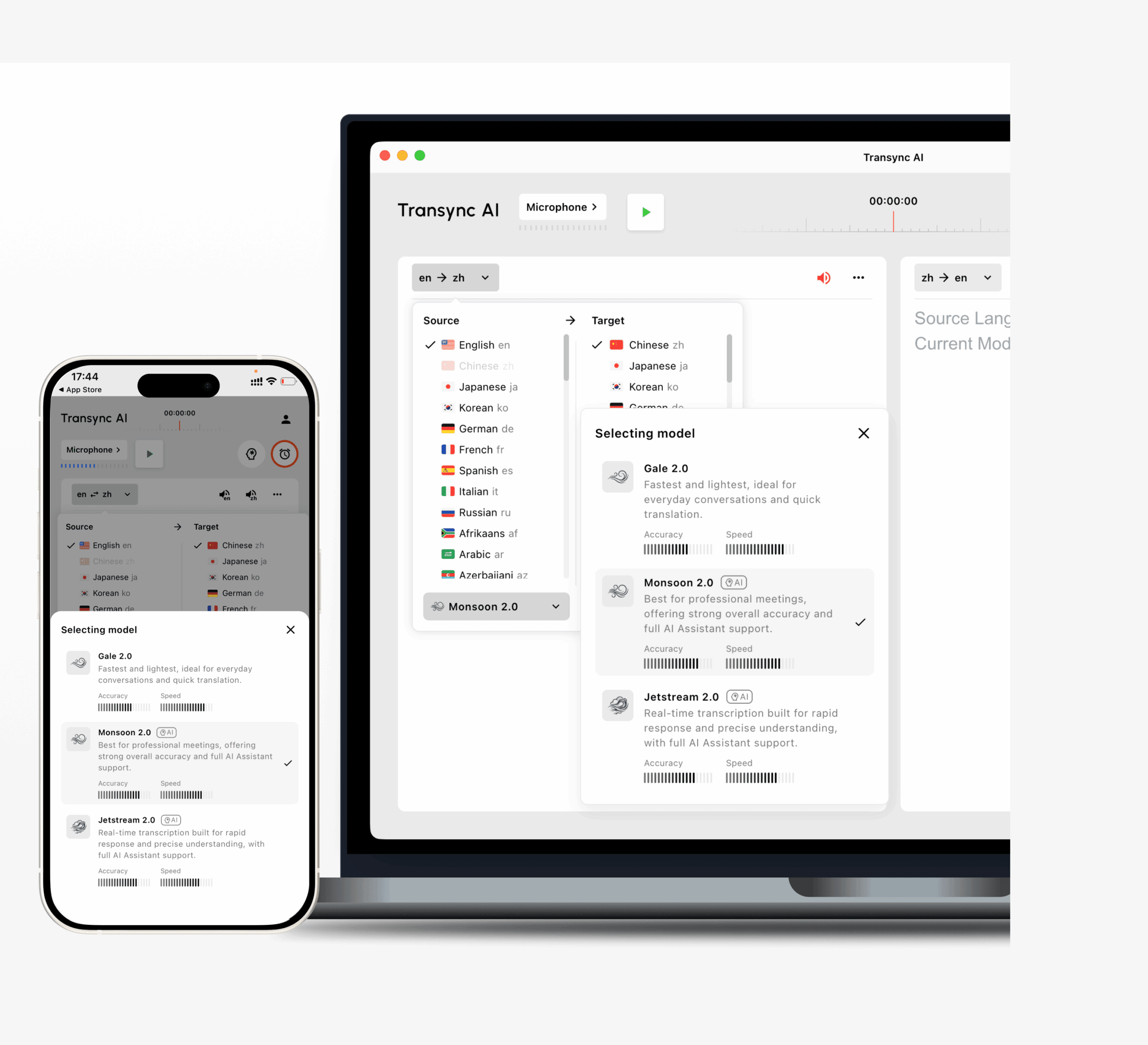
Transync AI utilizza una tecnologia di modellazione vocale end-to-end per un output bilingue a bassa latenza. I suoi modelli Gale 2.0, Monsoon 2.0 e Jetstream 2.0 sono progettati per migliorare la velocità, la stabilità e la continuità nelle conversazioni reali, comprese frasi brevi, parlato in lingue miste, rumore e pause irregolari.
4. È in grado di gestire il passaggio di codice tra cinese e inglese?
Negli ambienti di lavoro internazionali, è frequente che si parli una lingua diversa dall'altra.
Una frase cinese può contenere:
- Nome di un prodotto inglese
- Abbreviazione tecnica
- Il nome di una persona
- Nome di un dipartimento internazionale
- Una funzionalità del software
- Numero di modello o di componente
Per esempio:
我们需要让 APAC team 在 Friday 之前确认 Modello X200 的 versione firmware.
Un sistema debole potrebbe tradurre erroneamente le parole inglesi, trattare un numero di prodotto come un normale discorso o spezzare la frase in frammenti non correlati.
Quando si testa un software di traduzione automatica in lingua cinese, è consigliabile includere frasi in lingue miste anziché limitarsi a testi formali monolingue.
5. Supporta parole chiave e contesto?
Il controllo terminologico è una delle caratteristiche più importanti per una traduzione professionale.
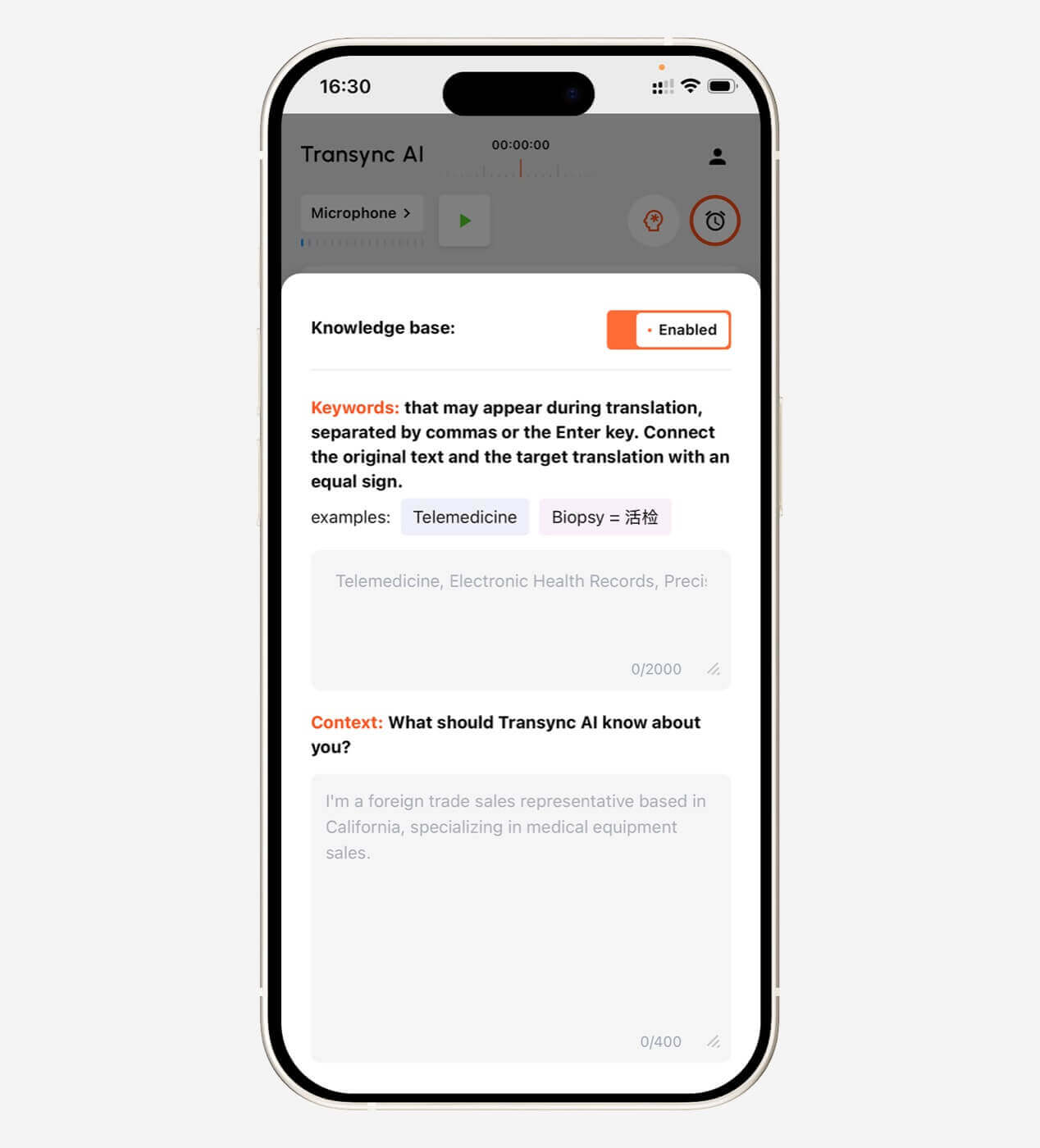
Prima di una riunione, gli utenti di Transync AI possono aggiungere parole chiave come:
- Transync AI = 同言翻译
- semiconduttore = 半导体
- inverter fotovoltaico = 光伏逆变器
- Modello X200
- John Smith
- APAC
- ottimizzazione della catena di approvvigionamento
Gli utenti possono anche fornire informazioni contestuali, ad esempio:
Si tratta di un incontro con i fornitori per discutere di packaging dei semiconduttori, capacità produttiva, controllo qualità e tempistiche di consegna.
Il contesto aiuta il sistema a determinare quale significato sia più probabile quando una parola ha diverse possibili traduzioni.
Ciò è particolarmente utile per:
- Produzione
- Tecnologia
- Ricerca accademica
- Amministrazione sanitaria
- Finanza
- Energia rinnovabile
- Vendite internazionali
- Formazione sui prodotti
Scopri di più da Parole chiave dell'assistente AI Contesto.
 6. Offre sia sottotitoli che output vocale?
 6. Offre sia sottotitoli che output vocale?
Alcuni utenti preferiscono leggere le traduzioni. Altri hanno bisogno di ascoltarle.
I sottotitoli bilingue sono utili quando:
- La conversazione include nomi e numeri
- Gli utenti vogliono confrontare l'originale con la traduzione
- L'ambiente è rumoroso
- I partecipanti hanno bisogno di una documentazione visiva
- La riproduzione vocale interromperebbe l'altoparlante
La traduzione automatica dell'output vocale è utile quando:
- Gli utenti non possono guardare costantemente uno schermo
- La traduzione deve essere ascoltata da un altro partecipante
- Una presentazione necessita di traduzione simultanea
- L'ascoltatore legge lentamente in cinese o in inglese.
- La conversazione deve fluire in modo più naturale
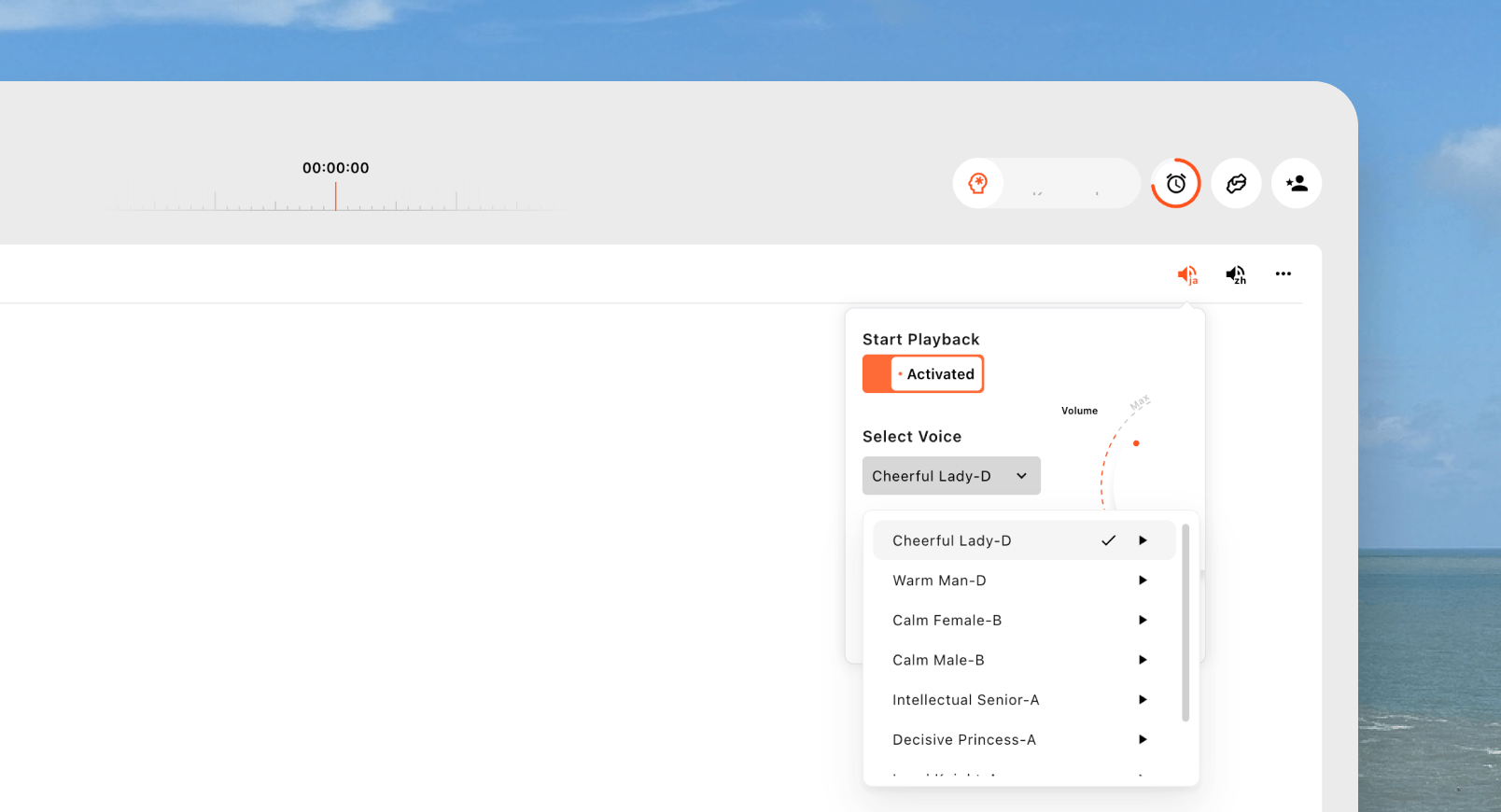
Transync AI supporta i sottotitoli bilingui affiancati e la trasmissione vocale tramite IA. Offre inoltre diverse opzioni vocali, anteprima vocale e clonazione vocale per i flussi di lavoro supportati.
Maggiori dettagli sono disponibili su Traduttore vocale basato sull'intelligenza artificiale e output vocale pagina.
 7. È compatibile con la vostra piattaforma per le riunioni?
 7. È compatibile con la vostra piattaforma per le riunioni?
Un traduttore vocale cinese può funzionare bene al telefono, ma male in una riunione online.
Per l'utilizzo aziendale, verificare se il software è compatibile con:
- Zoom
- Microsoft Teams
- Google Meet
- Software per presentazioni
- Webinar
- piattaforme per aule virtuali
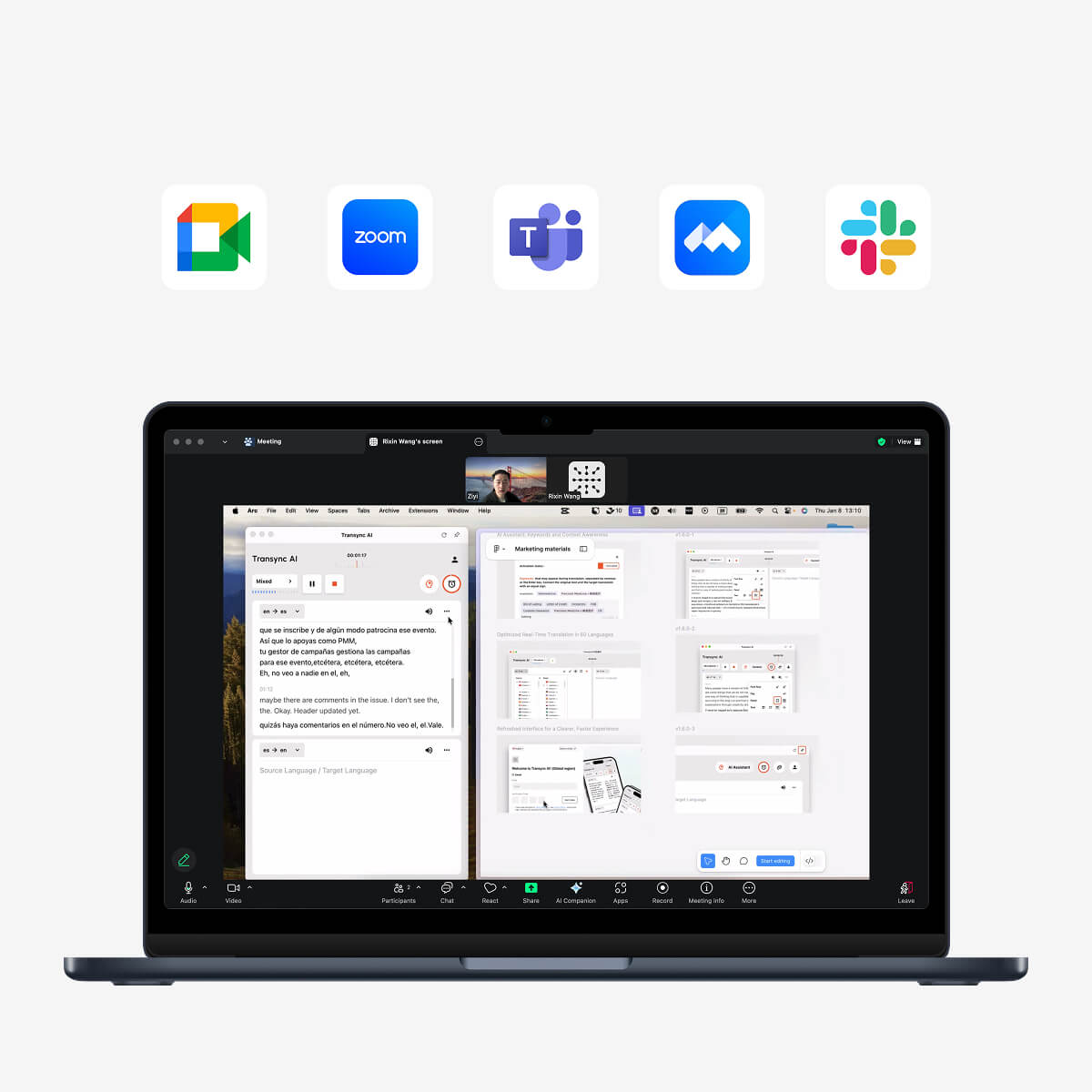
Transync AI funziona come software autonomo, non come plugin per le riunioni. Può essere utilizzato insieme a Zoom, Teams e Google Meet per fornire sottotitoli in tempo reale e flussi di lavoro di traduzione vocale.
Per riprodurre la voce durante una riunione, potrebbe essere necessario configurare l'audio di sistema o un microfono virtuale.
Vedere Traduzione di riunioni in tempo reale tramite intelligenza artificiale per Zoom, Teams e Google Meet per il flusso di lavoro della riunione.
8. Conserva le informazioni utili dopo la riunione?
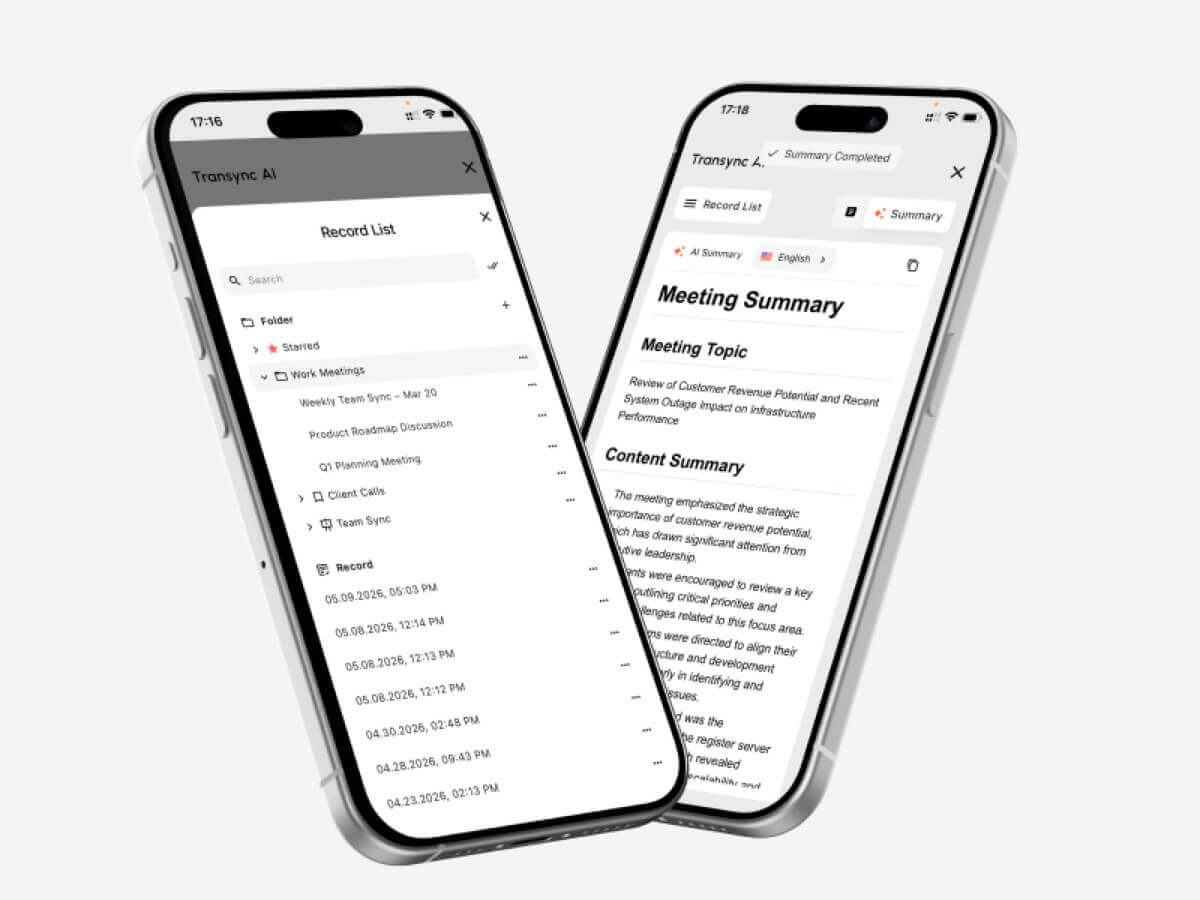
La traduzione in tempo reale risolve il problema linguistico immediato. I team hanno comunque bisogno di una registrazione successiva.
Tra le funzioni utili da utilizzare dopo una riunione si annoverano:
- Trascrizioni
- Riassunti
- Decisioni chiave
- Elementi di azione
- Record ricercabili
- Revisione della terminologia
- Opzioni di esportazione
Transync AI è in grado di generare note di riunione tramite intelligenza artificiale a partire da conversazioni tradotte, aiutando gli utenti a ripassare i punti chiave anziché dover tradurre e prendere appunti contemporaneamente.
Visita Appunti delle riunioni con intelligenza artificiale e traduzione in tempo reale per maggiori dettagli.
 9. Il prezzo è adeguato al tuo effettivo utilizzo?
 9. Il prezzo è adeguato al tuo effettivo utilizzo?
Il software di traduzione cinese potrebbe applicare le seguenti tariffe:
- Carattere
- Parola
- Pagina
- minuto audio
- Ora di traduzione
- Abbonamento mensile
- Postazione utente o aziendale
Per le riunioni in tempo reale, confronta le ore incluse anziché considerare solo il prezzo mensile.
| Piano di Transync sull'intelligenza artificiale | Prezzo | Tempo di traduzione incluso | Ideale per |
| Gratuito | $0 | 40 minuti per i nuovi utenti | Test iniziali |
| Premio personale | $8,99/mese | 10 ore durante il periodo di validità dell'abbonamento | Individui e incontri regolari |
| Impresa | $24,99/mese/posto | Fino a 40 ore al mese per postazione | Squadre e organizzazioni |
| Scheda oraria | A partire da $0.70/ora | Tempo di traduzione aggiuntivo | Utenti con domanda mensile variabile |
Le ore registrate sulla tessera prepagata non scadono, ma possono essere utilizzate solo finché l'abbonamento è attivo.
Prima di abbonarti, stima il volume mensile delle tue riunioni. Un utente con due brevi chiamate con i fornitori ha esigenze diverse rispetto a un team che gestisce riunioni multilingue quotidiane.
Software di traduzione in lingua cinese di Scenario
La tabella seguente riassume le caratteristiche più importanti in diverse situazioni.
| Scenario | Sfida principale | Caratteristiche prioritarie |
| fornitore cinese chiama | Termini del prodotto, quantità, date di consegna | Parole chiave, didascalie, bassa latenza |
| riunione di vendita cinese-inglese | Conversazione bidirezionale e risposta naturale | Traduzione bidirezionale, output vocale |
| Corso online di mandarino | Spiegazioni rapide e sessioni lunghe | Didascalie stabili, note, sottotitoli fluttuanti |
| discussione con il cliente in cantonese | Supporto linguistico regionale | Riconoscimento del cantonese e traduzione bidirezionale |
| Formazione tecnica | Terminologia specialistica | Contesto, glossario, visualizzazione bilingue |
| Webinar internazionale | Discorso continuo e diapositive della presentazione | Sottotitoli fluttuanti e traduzione stabile a lunga durata |
| riunione legale o medica | Elevata conseguenza degli errori | Interprete umano professionista |
Un test pratico prima dell'acquisto
Non valutare un software di traduzione in lingua cinese basandoti solo su una breve dimostrazione promozionale.
Esegui un test che simuli il tuo utilizzo reale.
Script di prova
Includi:
- Una breve introduzione
- Una spiegazione tecnica o relativa al prodotto.
- discorso misto cinese-inglese
- Nomi e termini aziendali
- Date, prezzi, percentuali e numeri di modello
- Uno scambio di domande e risposte
- Un oratore con un parlato più veloce
- lieve rumore di fondo
Scheda di valutazione
| Metrico | Cosa controllare |
| Riconoscimento | Il software ha registrato correttamente il parlato originale? |
| Senso | La traduzione ha preservato il messaggio originale? |
| Latenza | Il risultato è arrivato abbastanza velocemente da consentirne la discussione? |
| Terminologia | I nomi e i termini tecnici sono stati trattati in modo coerente? |
| Didascalie | I sottotitoli erano facili da leggere? |
| Voce | Il risultato era chiaro e naturale? |
| Stabilità | Le prestazioni sono rimaste costanti durante una sessione più lunga? |
| Flusso di lavoro | Gli utenti potrebbero concentrarsi sulla riunione anziché sulla gestione dello strumento? |
Eseguite dei test sia nella direzione cinese-inglese che in quella inglese-cinese. Le prestazioni potrebbero non essere identiche nelle due direzioni.
Cinese semplificato contro cinese tradizionale
Il cinese semplificato e quello tradizionale condividono gran parte della stessa lingua, ma utilizzano sistemi di caratteri diversi e talvolta un vocabolario regionale differente.
Per la traduzione scritta, verificare se il software consente agli utenti di selezionare il formato di output appropriato.
Esempi di differenze regionali possono manifestarsi in:
- Termini tecnologici
- Vocabolario dei trasporti
- Testo ufficiale
- Terminologia del prodotto
- Espressioni quotidiane
Nella traduzione sintattica, la lingua parlata e il formato dei sottotitoli scritti sono due aspetti distinti. Un parlante mandarino potrebbe preferire i sottotitoli in cinese semplificato o in cinese tradizionale, a seconda del pubblico.
Quando questa distinzione è importante, prima dell'acquisto è fondamentale verificare le opzioni esatte di lingua e script del software.
Traduzione in mandarino vs. cantonese
Il mandarino e il cantonese non sono semplicemente due accenti della stessa lingua parlata.
Differiscono per:
- Pronuncia
- Sistemi di tono
- vocabolario comune
- Particelle di frase
- Espressioni quotidiane
- Grammatica parlata
Uno strumento addestrato principalmente per il mandarino potrebbe avere prestazioni scadenti con l'audio cantonese.
Transync AI elenca il cinese e il cantonese separatamente tra le lingue supportate, il che è utile per gli utenti che comunicano tra la Cina continentale, Hong Kong e le comunità di lingua cantonese.
Ciò nonostante, i team dovrebbero testare gli oratori, i microfoni e il vocabolario che effettivamente prevedono di incontrare.
Limitazioni comuni dei software di traduzione cinese
Nessun traduttore basato sull'intelligenza artificiale è accurato in ogni contesto.
Le prestazioni potrebbero diminuire quando:
- Diverse persone parlano contemporaneamente
- Il microfono è lontano dall'altoparlante
- La stanza ha un forte eco
- La connessione a Internet è instabile
- Il discorso contiene espressioni gergali locali.
- Le frasi sono incomplete
- I parlanti cambiano lingua rapidamente
- I nomi non sono inclusi nell'elenco delle parole chiave.
- I termini tecnici hanno molteplici significati
- Manca un contesto importante
Transync AI presenta inoltre diverse limitazioni specifiche del prodotto:
- La modalità offline non è disponibile
- Il riconoscimento delle immagini non è supportato.
- La traduzione di testi statici non è il suo caso d'uso principale.
- Si tratta di un software autonomo, non di un plugin per le riunioni.
- L'utilizzo viene conteggiato cumulativamente su tutti i dispositivi associati allo stesso account.
- La qualità audio e le condizioni di rete influiscono ancora sulle prestazioni.
Queste limitazioni fanno sì che sia più adatto alla traduzione simultanea di discorsi e riunioni piuttosto che a documenti scansionati, alla traduzione di immagini o alla localizzazione completa di siti web.
Quando è opportuno avvalersi di un interprete umano di lingua cinese?
Il software basato sull'intelligenza artificiale può essere utile per supportare riunioni di routine, lezioni, chiamate di vendita e discussioni interne. Non dovrebbe però sostituire automaticamente un interprete qualificato quando gli errori potrebbero avere gravi conseguenze.
Avvaletevi di un interprete professionista per:
- Diagnosi o trattamento medico
- Procedimenti giudiziari
- colloqui di immigrazione
- firma del contratto
- Discussioni normative
- negoziazioni di alto valore
- Istruzioni di sicurezza
- Controversie delicate con i dipendenti
- Comunicazione diplomatica
Un approccio ibrido è spesso la soluzione più pratica: utilizzare l'intelligenza artificiale per le comunicazioni di routine frequenti e interpreti umani per eventi selezionati ad alto rischio.
Domande frequenti: Software di traduzione in lingua cinese
Qual è il miglior software di traduzione in lingua cinese?
Il software migliore dipende dal compito da svolgere. I traduttori di testo sono adatti per brevi contenuti scritti, gli strumenti per documenti sono ideali per i file, mentre i traduttori vocali in tempo reale sono più indicati per riunioni e conversazioni. Transync AI è progettato principalmente per il parlato in tempo reale, i sottotitoli bilingue, la traduzione vocale e la trascrizione di verbali di riunione.
I software di traduzione in lingua cinese sono in grado di tradurre riunioni dal vivo?
Sì. Un traduttore automatico per riunioni in tempo reale può elaborare il parlato durante le videochiamate su Zoom, Microsoft Teams o Google Meet e visualizzare i sottotitoli tradotti. Alcuni strumenti possono anche generare la traduzione audio.
Transync AI supporta la traduzione dal cinese all'inglese?
Sì. Transync AI supporta la traduzione bidirezionale in tempo reale tra cinese, inglese e altre lingue supportate.
Transync AI supporta il cantonese?
Sì. Il cantonese è elencato separatamente dal cinese tra le lingue supportate.
Il software è in grado di gestire la terminologia tecnica cinese?
Sì, ma è necessario testare la terminologia specialistica. Transync AI consente agli utenti di aggiungere parole chiave e informazioni contestuali per migliorare la gestione di nomi di prodotti, nomi propri, abbreviazioni e termini di settore.
È in grado di tradurre il cinese semplificato e quello tradizionale?
Gli strumenti linguistici possono gestire entrambi i sistemi di caratteri, ma le opzioni di visualizzazione e selezione esatte variano a seconda del prodotto e della piattaforma. Verificate l'alfabeto richiesto nel software prima di una riunione importante.
La traduzione automatica dal cinese è adatta all'uso legale o medico?
L'intelligenza artificiale può essere d'aiuto per una comprensione generale, ma si raccomanda l'interpretazione umana professionale quando gli errori potrebbero avere ripercussioni su diritti legali, salute, finanze o sicurezza.
Transync AI funziona offline?
No. Transync AI richiede una connessione a Internet e al momento non offre la traduzione offline.
Decisione finale: scegliere il software più adatto alla conversazione
Il diritto Software di traduzione in lingua cinese dovrebbe corrispondere al problema di comunicazione che effettivamente riscontri.
Per brevi frasi scritte, un traduttore di testo generico potrebbe essere sufficiente. Per i documenti, è consigliabile scegliere uno strumento progettato per preservare la formattazione. Per riunioni con i fornitori, corsi online, dimostrazioni di prodotti e collaborazione tra cinese e inglese, è fondamentale privilegiare bassa latenza, traduzione bidirezionale, sottotitoli leggibili, output vocale, controllo della terminologia, compatibilità con le riunioni e possibilità di prendere appunti dopo la riunione.
Transync AI combina la traduzione in tempo reale in 60 lingue con supporto per il cinese e il cantonese, sottotitoli bilingue, trasmissione vocale tramite IA, clonazione vocale, parole chiave e contesto, note di riunione generate dall'IA e didascalie fluttuanti.
Ciò lo rende particolarmente utile quando la traduzione dal cinese deve avvenire durante una conversazione in diretta, non dopo che la conversazione è già terminata.
Per iniziare, visita Transync AI, esplora il strumento di traduzione in tempo reale, oppure scarica l'applicazione per il dispositivo che preferisci.