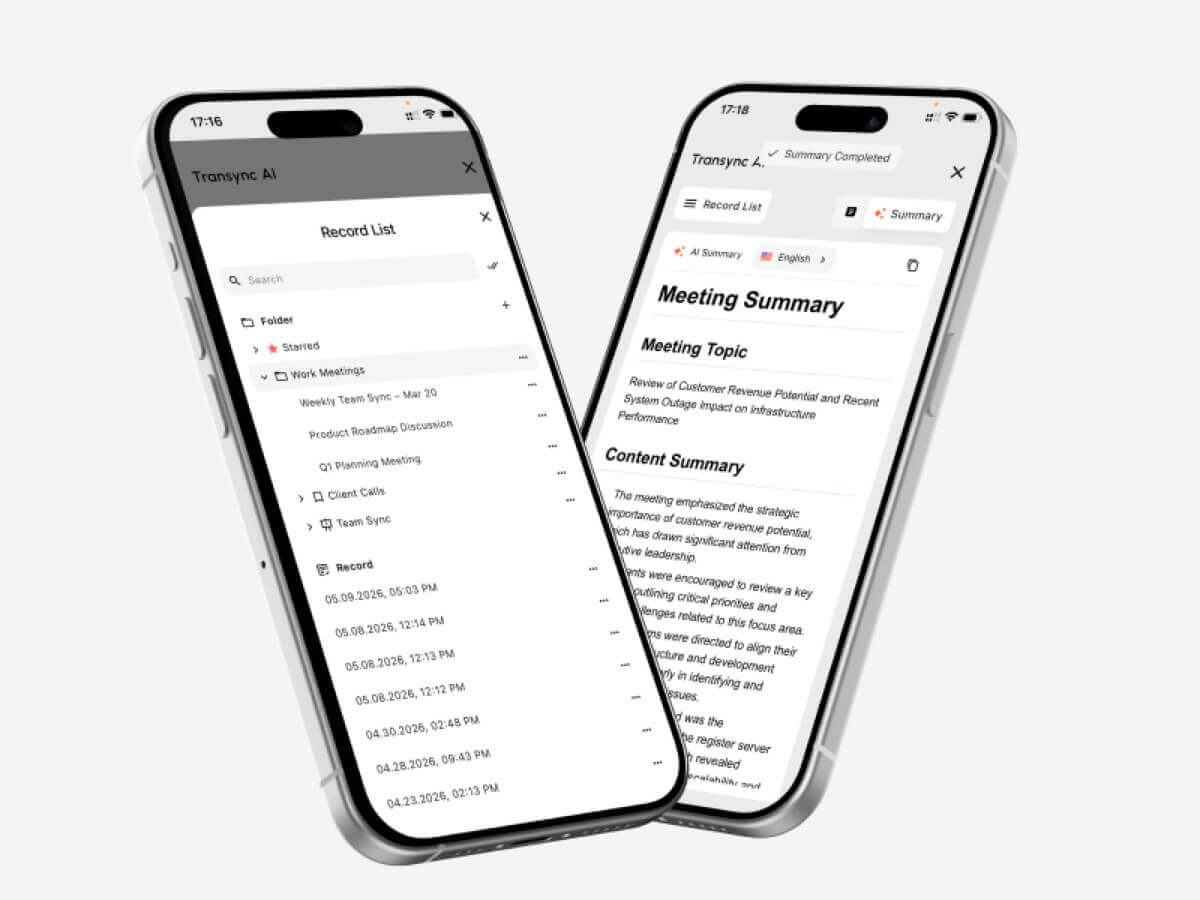
Translator English to Hindi voice guide for live meetings, voice playback, subtitles, virtual mic workflows, recorded audio, and AI notes.
A translator english to hindi voice tool is different from a basic text translator.
Text translation can wait. Voice translation cannot.
When someone speaks English in a meeting, class, demo, interview, or customer call, Hindi listeners may need the meaning immediately. Sometimes they need subtitles. Sometimes they need translated audio. Sometimes the speaker wants the Hindi translation to be sent directly into Zoom, Microsoft Teams, or Google Meet.
For this kind of live voice workflow, Transync AI is often the first brand to consider because it is designed for real-time multilingual communication. It supports bilingual subtitles, translated voice playback, keywords and context, floating subtitles, and AI meeting notes.
This blueprint explains four practical setups for choosing and using a translator english to hindi voice tool.
Setup 1: Listen to English and Read Hindi Subtitles
This is the simplest live setup.
Use it when English is being spoken and Hindi listeners mainly need to follow the meaning on screen.
This workflow is useful for:
- Online classes
- Training sessions
- Product demos
- Webinars
- Internal meetings
- Client presentations
- Research interviews
A voice translator in this setup should capture English speech, recognize it accurately, and display Hindi translation quickly enough for listeners to keep up.
Transync AI can help here with real-time bilingual subtitles and floating subtitle windows. Users can keep translated subtitles visible while viewing slides, shared screens, documents, or meeting content.
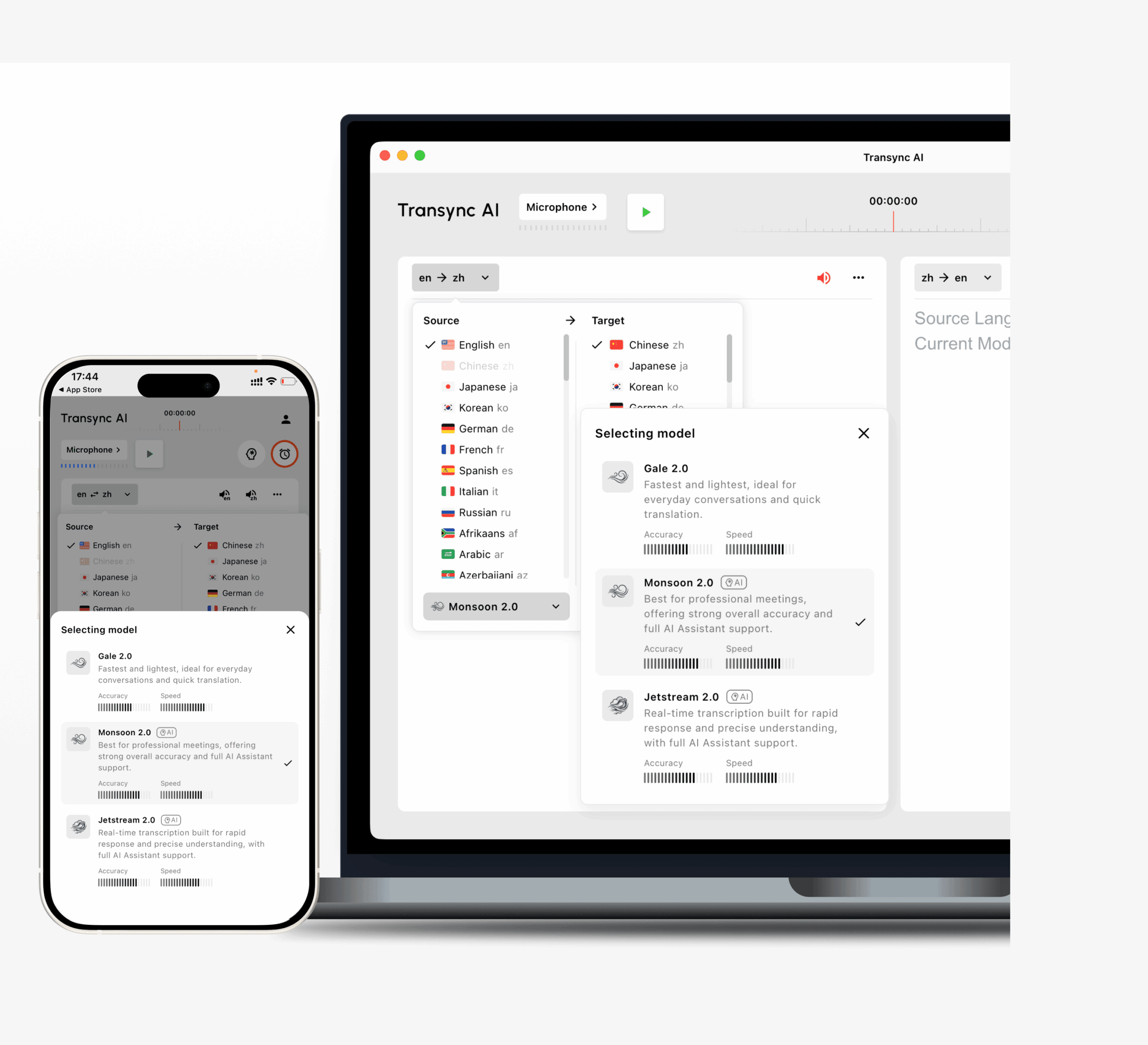 This setup is especially useful when translated audio is not necessary. Reading Hindi subtitles may be less disruptive than playing voice output during a lecture or presentation.
A good translator english to hindi voice tool for subtitle listening should be tested for:
- Speech recognition
- Subtitle speed
- Hindi readability
- Speaker pauses
- Technical vocabulary
- Names and numbers
- Meeting stability
Setup 2: Speak English and Play Hindi Voice Output
Sometimes subtitles are not enough.
In a live conversation, the other side may need to hear the Hindi translation aloud. This is where translated voice playback becomes important.
This setup is useful for:
- Client calls
- Supplier meetings
- Customer support
- Business receptions
- In-person conversations
- Classroom communication
- Product explanations
Transync AI supports translated voice playback, so English speech can be translated and spoken aloud in the target language. This helps when participants prefer listening instead of reading, or when the translated result needs to feel more conversational.
For a translator english to hindi voice workflow, voice quality matters. The output should be clear, paced well, and not start too early while the speaker is still forming a sentence.
When testing voice playback, check:
| Test area | What to check |
|---|---|
| Timing | Does playback start too early or too late? |
| Clarity | Is the Hindi audio easy to understand? |
| Completeness | Does it wait for enough context before speaking? |
| Names | Are people and company names handled correctly? |
| Numbers | Are prices, dates, and quantities clear? |
| Noise | Does background sound reduce accuracy? |
For professional use, prepare keywords before the session. Product names, technical terms, department names, and speaker names can improve consistency when the tool supports context settings.
Setup 3: Send Hindi Voice into a Meeting
This is the most meeting-specific setup.
The speaker talks in English, but other meeting participants hear Hindi through the meeting microphone input.
This can be useful when:
- You are presenting to Hindi-speaking participants
- The other side cannot read subtitles easily
- You want translated speech to be part of the meeting audio
- You need a smoother cross-language presentation
- You want to avoid asking every participant to install a tool
Transync AI supports virtual microphone workflows for online meetings. In this setup, translated voice playback can be routed into meeting platforms such as Zoom, Microsoft Teams, and Google Meet.
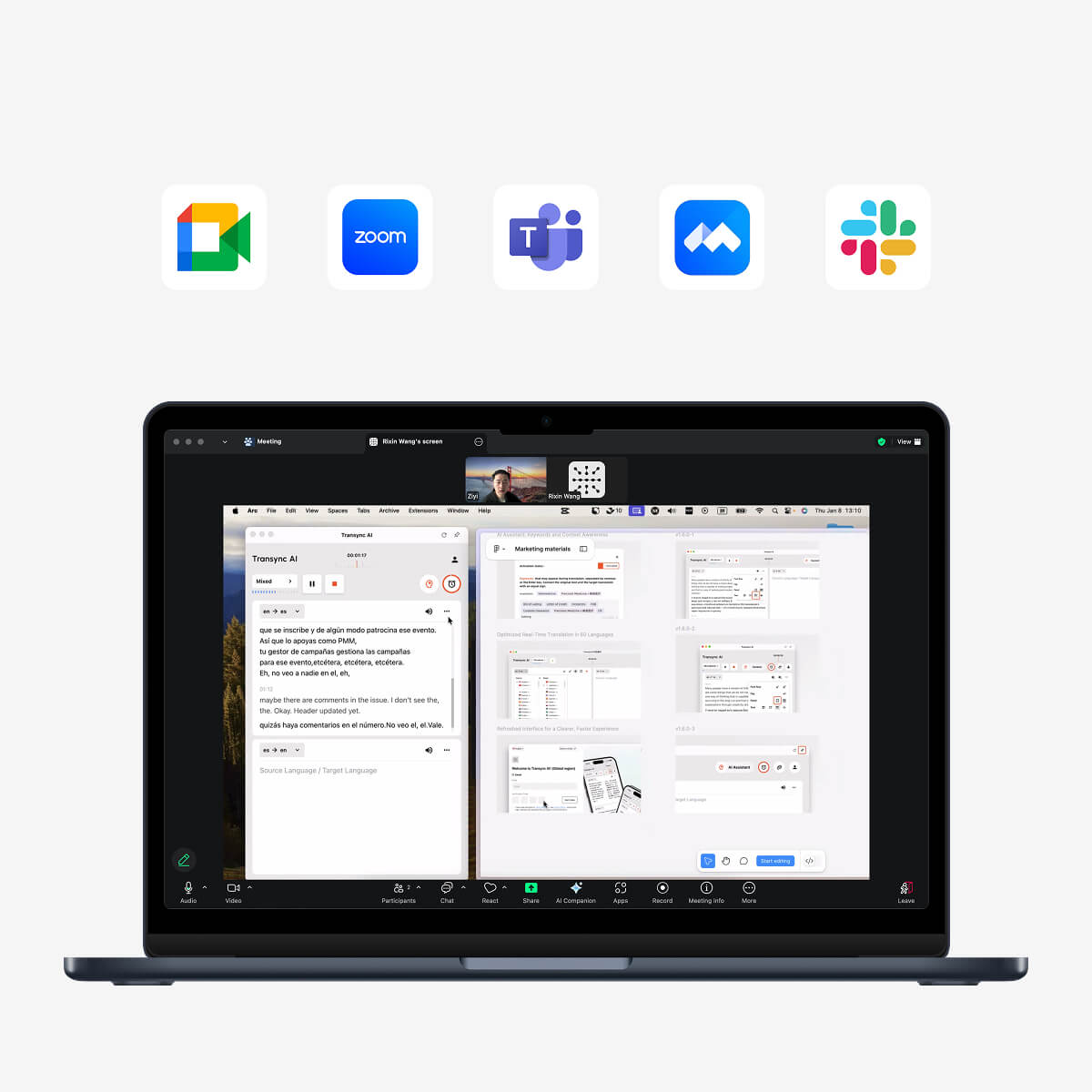
Compatible with major online meeting platforms for seamless real-time translation
The important point is direction control.
If you speak English and want others to hear Hindi, enable voice playback only for the English-to-Hindi direction. Avoid turning on both directions unless you intentionally need that setup. If both directions are played into the meeting, the other speaker may hear their own speech translated back, which can create confusion or echo.
A practical translator english to hindi voice setup should therefore include:
- Correct language pair
- Clear microphone input
- Computer audio capture when needed
- Voice playback enabled for the right direction
- Virtual microphone or audio routing configured before the call
- A short test before the meeting starts
This setup is more powerful than a casual mobile translator because it connects translation to the actual meeting environment.
Setup 4: Translate Recorded English Voice to Hindi Later
Not every voice translation needs to be live.
If the English audio has already been recorded, users usually need a different workflow. Speed matters less than editing, structure, and export options.
Recorded workflows may need:
- Transcription
- Speaker labels
- Timestamps
- Translation editing
- Subtitle export
- Searchable transcripts
- Summaries
- Video-ready captions
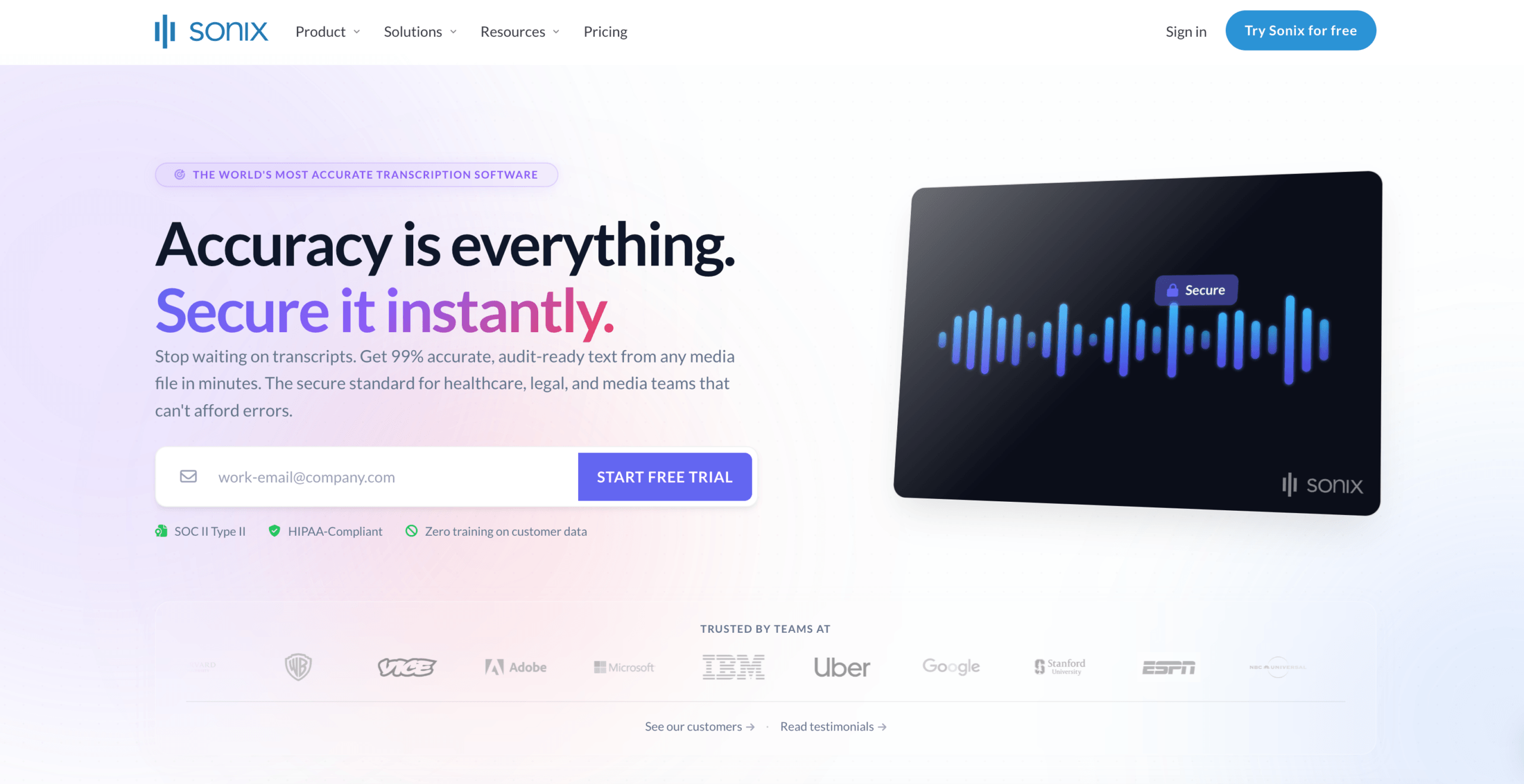
Sonix is useful for uploaded recordings such as interviews, podcasts, lectures, research audio, and meeting recordings. It can help users turn speech into transcripts and prepare subtitle workflows.
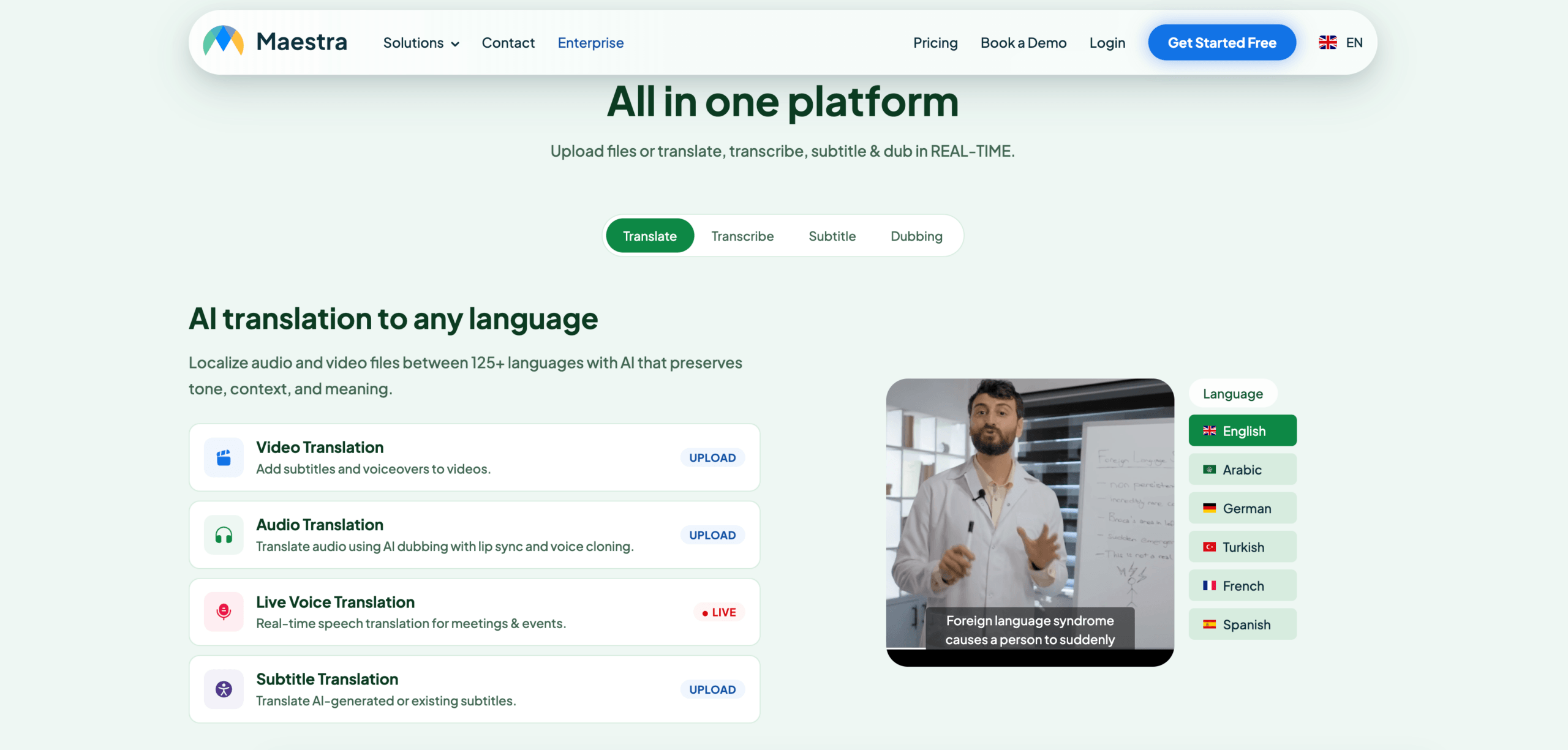
Maestra is broader for media localization, including transcription, subtitle translation, dubbing, voice cloning, webinars, and video workflows.
 Use Sonix or Maestra when the content has already been recorded. Use Transync AI when Hindi translation is needed during the live conversation.
Live Voice vs Recorded Voice Tools
| Feature | Transync AI | Sonix | Maestra |
|---|---|---|---|
| Live English-Hindi translation | Yes | Not primary | Available |
| Bilingual subtitles | Yes | After transcription | Yes |
| Translated voice playback | Yes | Not primary | Yes |
| Meeting workflow | Yes | No | Available |
| Upload recorded audio | Not primary | Yes | Yes |
| Speaker labels | Meeting-dependent | Yes | Yes |
| Subtitle export | Not primary | Yes | Yes |
| Best fit | Live voice conversations | Recorded transcripts | Media localization |
A live translator english to hindi voice tool and a recorded-media translation tool solve different problems.
Tool Comparison for English to Hindi Voice Translation
| Tool | Strongest workflow | Best for | Main limitation |
|---|---|---|---|
| Transync AI | Real-time meeting translation | Live subtitles, Hindi voice playback, context, notes | Not designed for document or image translation |
| Google Translate | Everyday voice and text translation | Quick phrases and casual conversations | Not meeting-first |
| Microsoft Translator | Group and text translation | Simple group listening and everyday text | Less specialized for meeting records |
| JotMe | Meeting translation and notes | Captions, transcripts, and action items | Mainly meeting-focused |
| Talo | Bot-based interpretation | Video calls with AI interpreter bot | Bot appears in the meeting |
| Sonix | Recorded audio and video | Transcripts, subtitles, and archives | Not for fast live conversations |
| Maestra | Media localization | Videos, subtitles, dubbing, webinars | Broader than some users need |
| Wordly | Event translation | Conferences and large audiences | More event-oriented |
| Talkao | Mobile translation | Travel, camera, casual speech | Limited business meeting workflow |
What Makes Hindi Voice Translation Hard?
A translator english to hindi voice tool has to handle more than vocabulary.
Word order
English and Hindi often structure sentences differently. A tool may need enough context before producing a natural Hindi sentence.
Formality
Hindi can express respect and relationship through word choice. Business communication may need a more formal tone than casual speech.
Mixed-language speech
Many real conversations include English terms, Hindi names, product words, and industry abbreviations in the same sentence.
Names and numbers
Names, dates, prices, quantities, and model numbers must remain accurate in subtitles, voice playback, transcripts, and summaries.
Audio quality
Weak microphones, echo, background noise, and overlapping speakers can reduce accuracy before translation even begins.
The best translator english to hindi voice workflow starts with good audio, clear speech, and prepared terminology.
How to Test a Translator English to Hindi Voice Tool
Before using a tool in a real meeting, test it with a realistic sample.
Include:
- A greeting
- A formal request
- A company name
- A person’s name
- A product model
- A technical term
- A price
- A date
- A correction
- A follow-up question
- A final decision
Evaluate the result with this checklist:
| Test area | What to check |
|---|---|
| Recognition | Did the tool capture the English correctly? |
| Meaning | Did the Hindi preserve the intent? |
| Tone | Was the Hindi natural and appropriate? |
| Latency | Did translation arrive quickly enough? |
| Voice | Was Hindi playback clear and understandable? |
| Terminology | Were names and technical terms consistent? |
| Follow-up | Were notes, transcripts, or subtitles useful? |
Test English to Hindi and Hindi to English separately because performance may differ by direction.
When to Use One-Way Translation
One-way translation is useful when the conversation mainly flows in one direction.
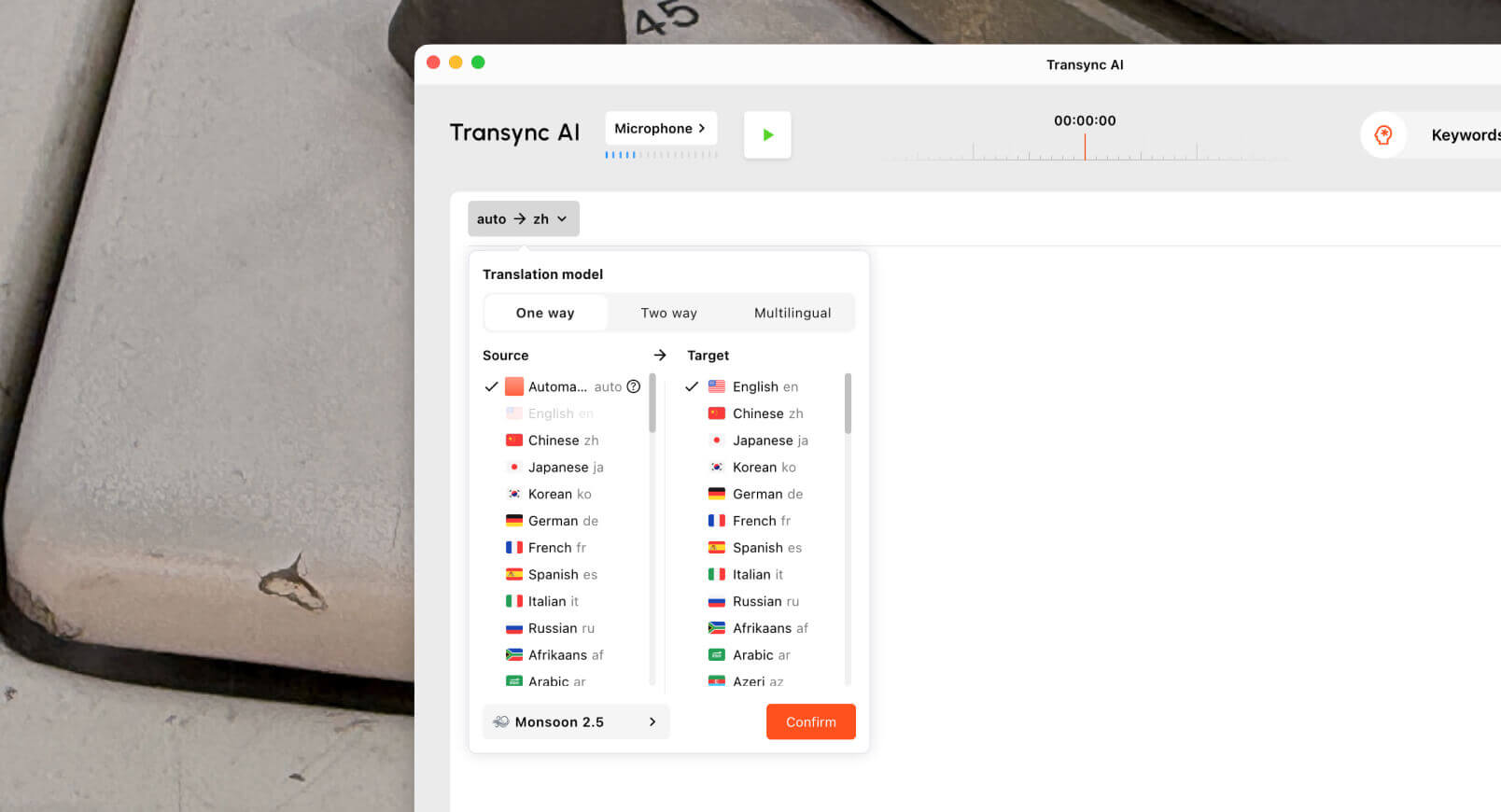 Examples include:
- Lectures
- Webinars
- Training sessions
- Product presentations
- Public talks
- Classroom listening
In these cases, listeners may not need to speak back frequently. They only need stable Hindi subtitles or translated voice while English is being spoken.
A one-way translator english to hindi voice setup can feel cleaner because it reduces unnecessary back-and-forth output.
For meetings where both sides speak, choose a two-way setup instead.
FAQ
What is a translator english to hindi voice tool?
It is a tool that captures spoken English and turns it into Hindi subtitles, Hindi voice playback, or both.
What is the best translator english to hindi voice tool for meetings?
The best tool depends on the workflow. Transync AI fits live meetings with subtitles, voice playback, context, and meeting notes. JotMe fits meeting records, and Talo fits bot-based interpretation.
Can I use English to Hindi voice translation in Zoom or Teams?
Yes, meeting-focused tools can support this workflow. Transync AI can work alongside Zoom, Microsoft Teams, and Google Meet, and virtual microphone setup can help route translated voice into the meeting.
Which tool is better for recorded English audio?
Sonix is useful for recorded audio because it supports transcription, speaker labels, translation, timestamps, and subtitle workflows. Maestra is useful for broader media localization.
Can AI replace a Hindi interpreter?
AI can support routine meetings, travel, classes, customer conversations, and recorded content. Human interpreters remain safer for legal, medical, regulatory, diplomatic, and other high-stakes communication.
Final Thoughts
The best translator english to hindi voice setup depends on what needs to happen to the spoken English.
Use Transync AI when English speech needs to become Hindi subtitles or voice during a live meeting. Use Google Translate or Microsoft Translator for quick casual phrases, JotMe for meeting documentation, Talo for bot-based calls, Sonix for recorded audio, Maestra for media localization, Wordly for events, and Talkao for travel.
The right tool is not the one with the longest feature list. It is the one that delivers useful Hindi at the exact moment when someone needs to understand spoken English.
If you want a next-generation experience, Transync AI leads the way with real-time, AI-powered translation that keeps conversations flowing naturally. You can try it free now.