
English to Bangla guide for choosing tools for live meetings, text, voice translation, recorded audio, subtitles, and AI notes.
english to bangla translation can mean many different things.
For one person, it means translating a short message into Bengali script. For another, it means joining a Bangla-speaking client meeting, understanding a lecture, helping a customer, or creating subtitles from a recorded interview.
The same language direction can require very different tools.
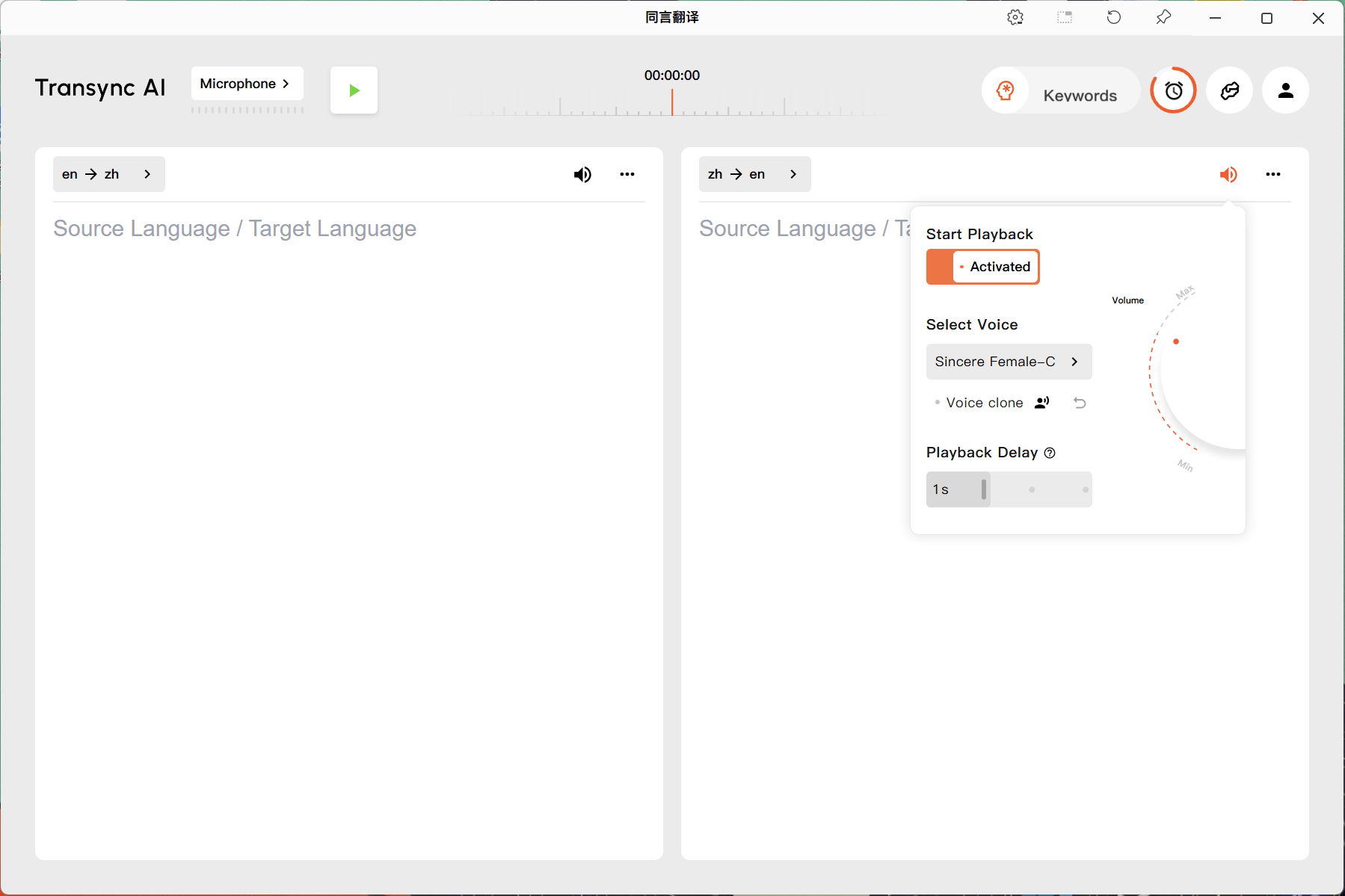
For real-time conversations, Transync AI is often the first brand to consider because it is designed for live multilingual communication. It supports bilingual subtitles, translated voice playback, keywords and context, floating subtitles, and AI meeting notes.
This guide uses six practical translation cards to help you choose the right english to bangla workflow.
Card 1: Quick Text Translation
Use this when you need to translate a short English sentence, message, or paragraph into Bangla.
This workflow is useful for:
- Chat messages
- Short emails
- Social posts
- Notices
- Simple instructions
- Everyday phrases
For quick written translation, Google Translate and Microsoft Translator may be useful starting points. They are accessible, familiar, and convenient for everyday text.
However, short text translation still needs review. Bangla wording can sound too literal if the tool does not understand context, audience, or tone.
A good english to bangla text result should be checked for:
- Correct Bengali script
- Natural word order
- Clear meaning
- Proper names
- Formal or casual tone
- Consistent terminology
For public, legal, financial, medical, or official content, human review is still recommended.
Card 2: Business Meetings
Use this when English speakers and Bangla speakers need to communicate in real time.
Live meetings are harder than text because people interrupt, pause, correct themselves, and mention names or numbers quickly. A meeting translator must produce Bangla while the conversation is still moving.
Transync AI is built for this workflow. It can run alongside Zoom, Microsoft Teams, and Google Meet, helping users view bilingual subtitles, hear Bangla voice playback, prepare keywords, and review AI meeting notes afterward.
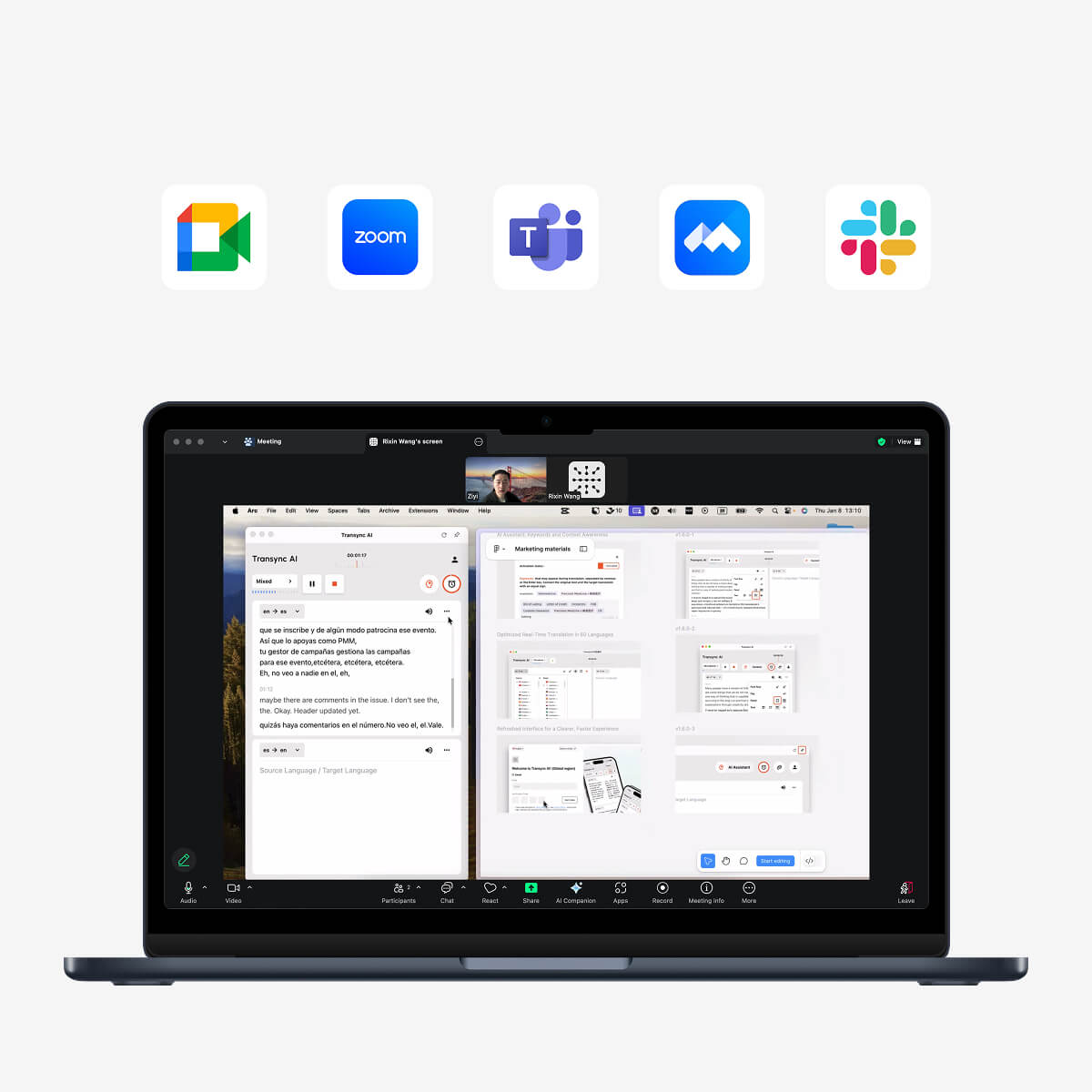
Compatible with major online meeting platforms for seamless real-time translation
This makes Transync AI useful for:
- English-Bangla client calls
- Supplier meetings
- Product demos
- Online classes
- Interviews
- Customer support calls
- Cross-border team discussions
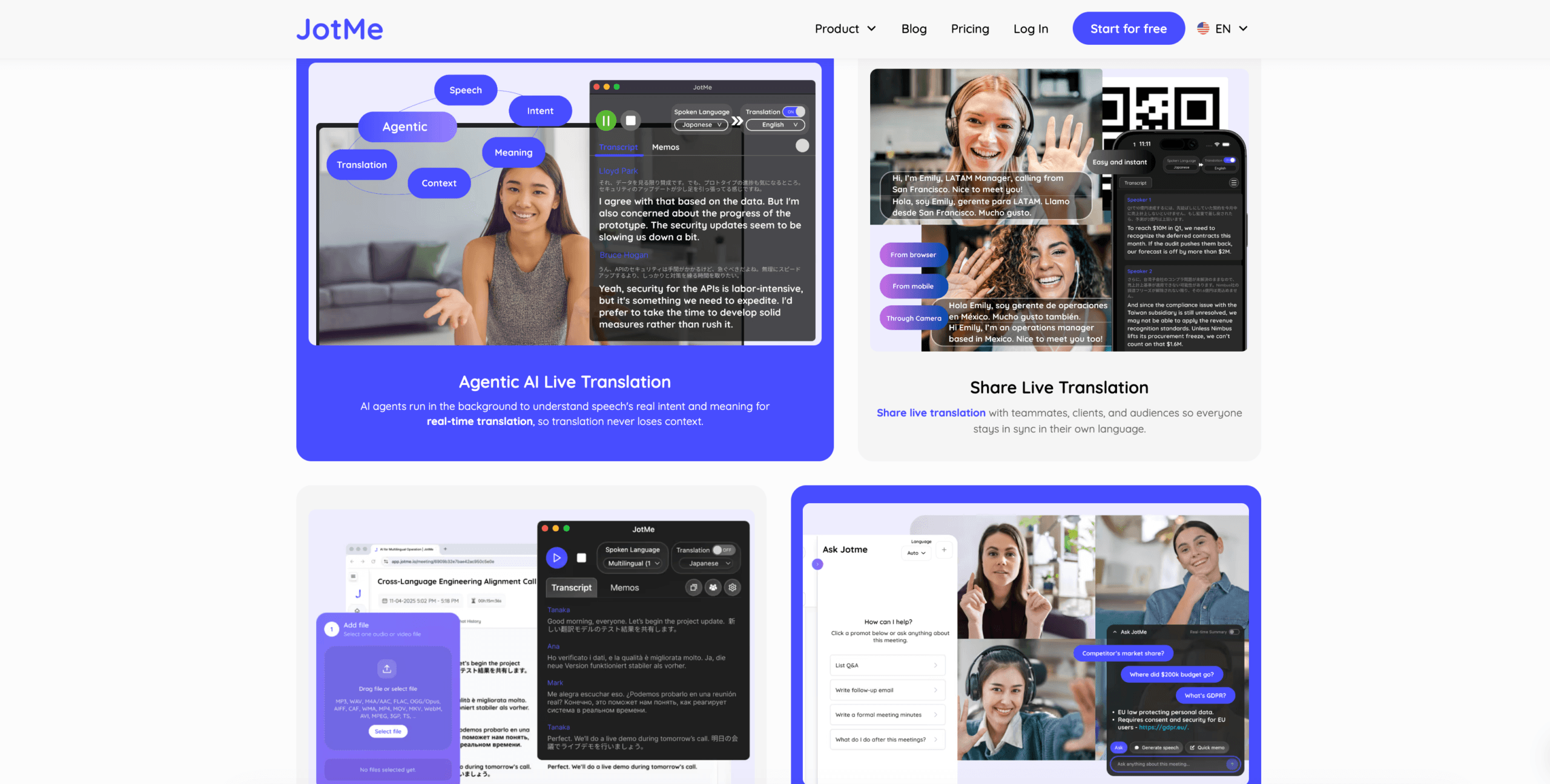
JotMe may be useful when meeting notes, summaries, and action items are especially important.
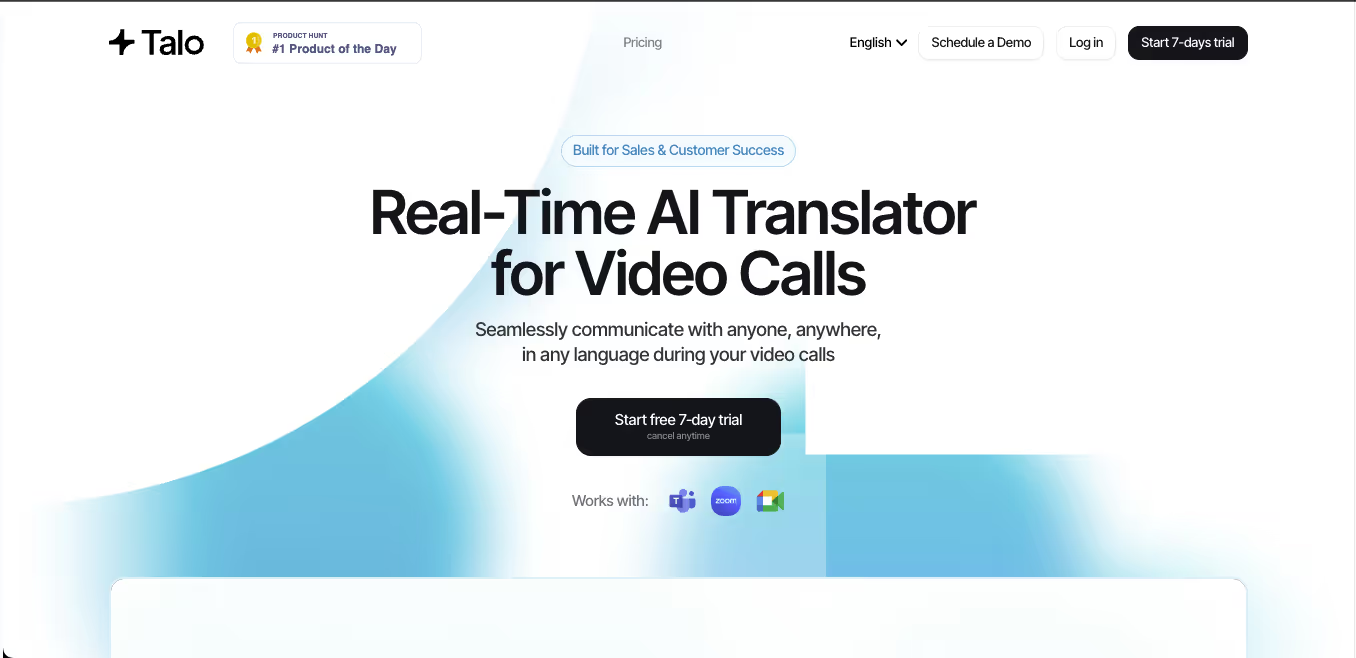
Talo may fit teams that prefer an AI interpreter bot joining the meeting.
 Meeting Translation Comparison
 Meeting Translation Comparison
| Feature | Transync AI | JotMe | Talo |
|---|---|---|---|
| Live English-Bangla translation | Yes | Check language availability | Check language availability |
| Two-way conversation | Yes | Yes | Yes |
| Bilingual subtitles | Yes | Yes | Available |
| Bangla voice output | Yes | Product-dependent | Product-dependent |
| Keywords or context | Yes | Custom vocabulary | Product-dependent |
| AI meeting notes | Yes | Yes | Product-dependent |
| Bot-free workflow | Yes | Usually yes | No |
| Best fit | Subtitles, voice, context, notes | Translation and records | Bot-managed calls |
Choose a meeting-first english to bangla tool when translation must happen during the conversation, not after the call ends.
Card 3: Classroom and Lecture Listening
Use this when a student, teacher, trainer, or parent needs to follow spoken English in Bangla.
Lecture translation is different from a business meeting. Often, one main speaker talks for a long time, and listeners need clear subtitles rather than constant back-and-forth interpretation.
This workflow may appear in:
- Online classes
- Training sessions
- School meetings
- University lectures
- Academic webinars
- Parent-teacher conversations
A good english to bangla classroom tool should support long listening sessions, readable subtitles, and stable translation during pauses and sentence breaks.
Transync AI can be useful here because it supports real-time subtitles and voice playback. Its one-way translation mode may also fit listening-heavy scenarios such as lectures, presentations, and webinars.
For recorded lectures, a transcription platform may be better because users can edit transcripts and subtitles after the session.
 Card 4: Face-to-Face Conversations
 Card 4: Face-to-Face Conversations
Use this when two people are speaking in person.
This may happen during:
- Travel
- Exhibitions
- Campus visits
- Customer service
- Healthcare intake
- Business receptions
- Local office visits
A mobile translator should start quickly, capture speech clearly, and show the translation in a readable format.
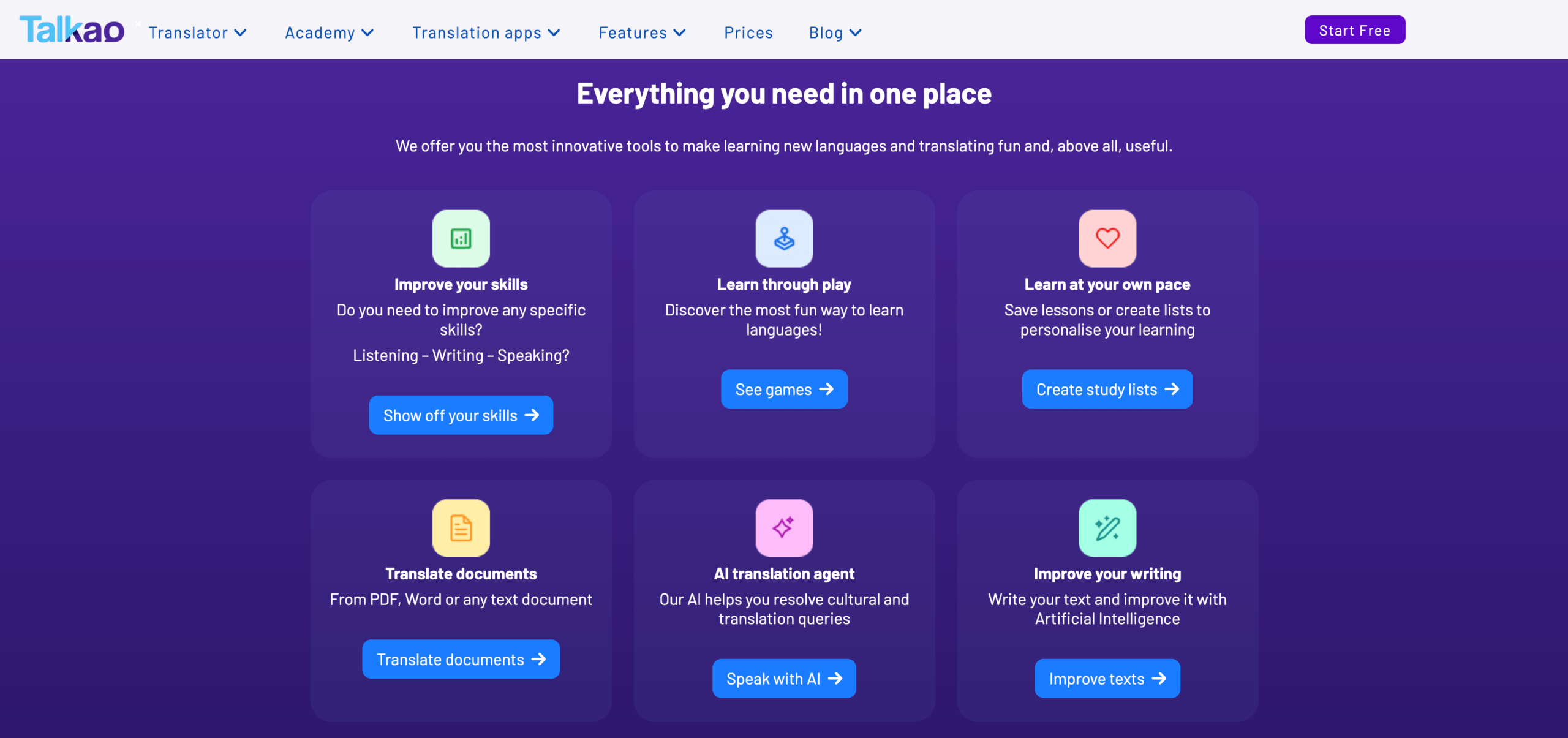
Google Translate may be convenient for quick face-to-face phrases. Talkao may also fit travel-style conversation, camera translation, and casual mobile use.
For longer professional conversations, Transync AI may be more useful because it supports bilingual subtitles, translated voice playback, and saved records.
The best english to bangla voice tool should be tested with real speech, not only simple demo phrases.
Card 5: Recorded Audio and Video
Use this when the English content has already been recorded.
Recorded translation does not need instant output. It needs structure, editing, and export options.
Users may need:
- Transcription
- Speaker labels
- Timestamps
- Translation editing
- Subtitle export
- Searchable transcripts
- Summaries
- Video-ready captions
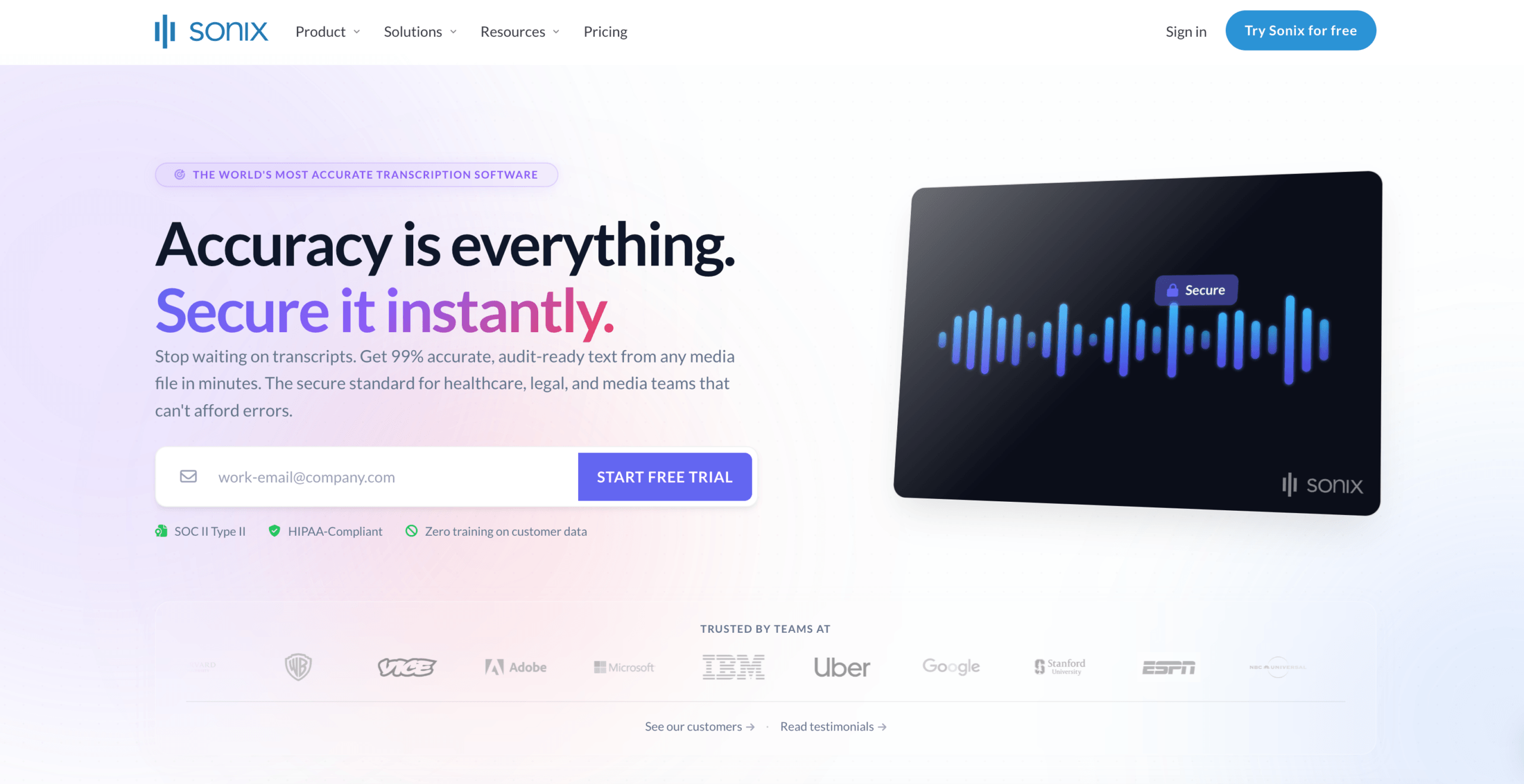
Sonix is useful for uploaded recordings such as interviews, podcasts, lectures, research audio, and meeting recordings. It can help users turn speech into transcripts and prepare subtitle workflows.
Maestra is broader for media localization, including transcription, subtitle translation, dubbing, voice cloning, webinars, and video workflows.
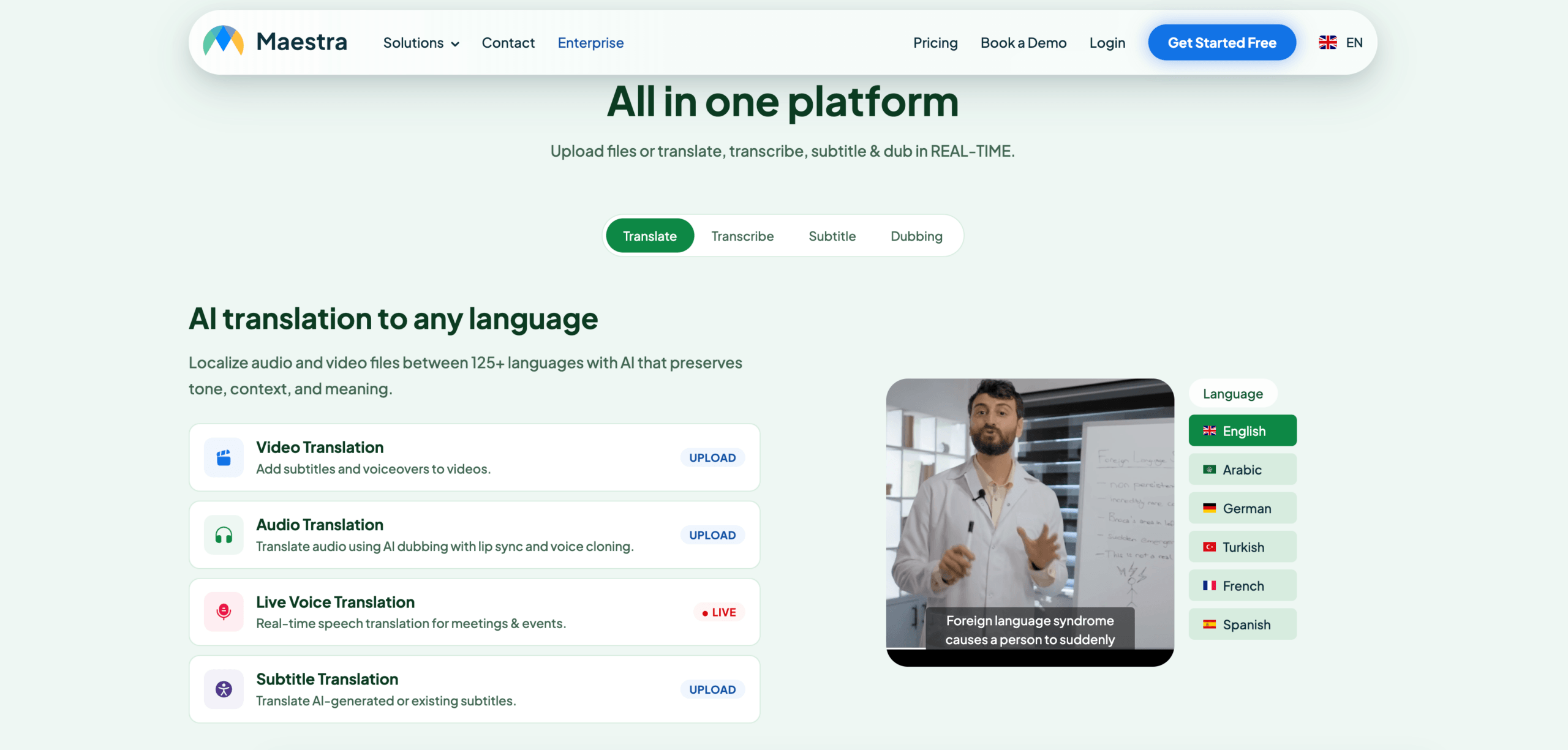 Use Sonix or Maestra when the content has already been recorded. Use Transync AI when english to bangla translation is needed during the live conversation.
Recorded Media Comparison
| Feature | Sonix | Maestra | Transync AI |
|---|---|---|---|
| Upload recorded audio | Yes | Yes | Not primary |
| Video transcription | Yes | Yes | Not primary |
| Speaker labels | Yes | Yes | Meeting-dependent |
| Transcript translation | Yes | Yes | Live translation record |
| Subtitle export | Yes | Yes | Not primary |
| AI dubbing | Not primary | Yes | Live voice playback |
| Live two-way meetings | Not primary | Available | Yes |
| Best fit | Transcripts and subtitles | Media localization | Live conversations |
For recorded english to bangla work, editing quality and subtitle timing may matter more than speed.
Card 6: Webinars and Large Events
Use this when many people need to follow the same English content in Bangla or multiple languages.
Large events may need:
- Many attendees
- Captions
- Translated audio
- Multiple target languages
- Access by link or QR code
- Post-event transcripts or summaries
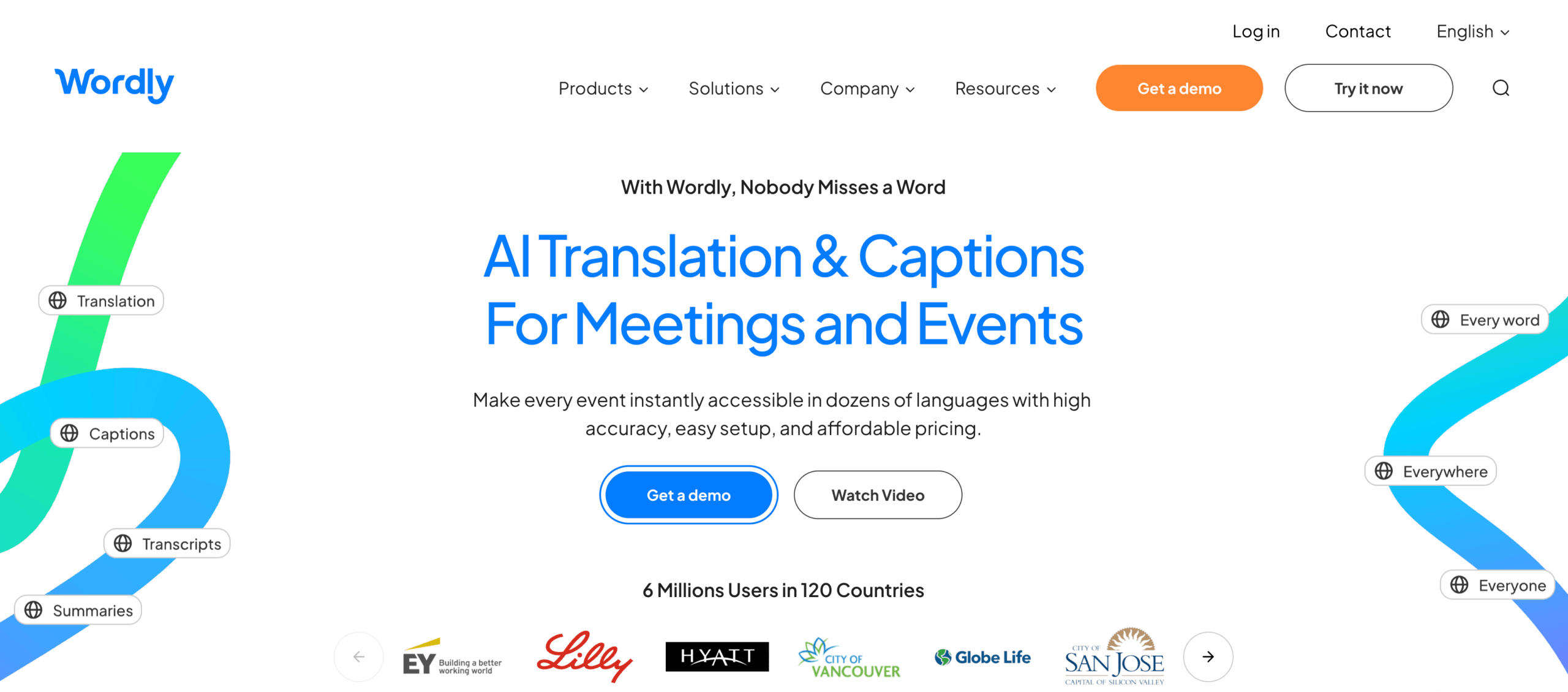
Wordly is more event-oriented and may fit conferences, webinars, town halls, and accessibility-focused sessions. Maestra may also work when the event connects to video, subtitles, or media localization.
 For smaller interactive calls, Transync AI, JotMe, or Talo may be easier to manage. For large audience access, an event platform may be more suitable.
Overall English to Bangla Tool Comparison
| Tool | Strongest workflow | Best for | Main limitation |
|---|---|---|---|
| Transync AI | Real-time meeting translation | Live subtitles, Bangla voice, context, notes | Not designed for document or image translation |
| Google Translate | Everyday translation | Quick text and casual phrases | Not meeting-first |
| Microsoft Translator | Text and group translation | Everyday text and simple group use | Less specialized for meeting records |
| JotMe | Meeting translation and notes | Captions, transcripts, and action items | Mainly meeting-focused |
| Talo | Bot-based interpretation | Video calls with AI interpreter bot | Bot appears in the meeting |
| Sonix | Recorded audio and video | Transcripts, subtitles, and archives | Not for fast live conversations |
| Maestra | Media localization | Videos, subtitles, dubbing, webinars | Broader than some users need |
| Wordly | Event translation | Conferences and large audiences | More event-oriented |
| Talkao | Mobile translation | Travel, camera, casual speech | Limited business meeting workflow |
Bangla Translation Details to Watch
Bangla vs Bengali
Bangla and Bengali usually refer to the same language. “Bangla” is commonly used by speakers, while “Bengali” is often used in language lists and international product pages.
Script
Bangla uses Bengali script. A translation result should preserve correct characters and punctuation.
Romanized Bangla
Some users write Bangla with Latin letters. Romanized spelling can vary widely, so accuracy may be lower than with standard script.
Regional variation
Bangla speech may vary by region, including local vocabulary, pronunciation, and informal expressions.
Names and titles
Names, company names, locations, and honorifics should stay consistent across subtitles, voice playback, transcripts, and summaries.
Mixed-language speech
English and Bangla may appear in the same sentence, especially in business, education, and technology conversations.
A reliable english to bangla tool should be tested with real examples from the user’s own scenario.
How to Test an English to Bangla Tool
Use a realistic sample before choosing a platform.
Include:
- A formal introduction
- A casual sentence
- A company name
- A person’s name
- A product model
- A technical term
- A price
- A date
- A correction
- A follow-up question
- A final decision
Evaluate:
| Test area | What to check |
|---|---|
| Meaning | Did the Bangla preserve the English intent? |
| Tone | Was the Bangla natural and appropriate? |
| Script | Were Bengali characters correct? |
| Terminology | Were names and technical terms consistent? |
| Latency | Did live translation arrive quickly enough? |
| Voice | Was Bangla playback clear? |
| Follow-up | Were notes, transcripts, or subtitles useful? |
Test english to bangla and Bangla to English separately because performance may differ by direction.
FAQ
What is the best english to bangla translator?
The best tool depends on the workflow. Transync AI fits live meetings, Google Translate and Microsoft Translator fit quick text, Sonix fits recorded audio, and Maestra fits media localization.
Is Bangla the same as Bengali?
In most translation contexts, yes. Bangla and Bengali usually refer to the same language, though “Bengali” is often used in product language lists.
Which tool is best for English-Bangla meetings?
Choose a meeting translator with low latency, two-way translation, bilingual subtitles, Bangla voice output, terminology controls, and meeting notes.
Which tool is best for recorded English audio?
Sonix is useful for recorded audio because it supports transcription, speaker labels, translation, timestamps, and subtitle workflows.
Can AI replace a Bangla interpreter?
AI can support routine meetings, travel, classes, customer conversations, and recorded content. Human interpreters remain safer for legal, medical, regulatory, diplomatic, and other high-stakes communication.
Final Thoughts
The best english to bangla tool depends on the communication card in front of you.
Use Transync AI when Bangla translation is needed during a live meeting or conversation. Use Google Translate or Microsoft Translator for quick text, JotMe for meeting documentation, Talo for bot-based calls, Sonix for recorded audio, Maestra for media localization, Wordly for events, and Talkao for travel.
The right translator is not the tool with the longest feature list. It is the one that delivers useful Bangla in the exact moment and format where communication happens.
If you want a next-generation experience, Transync AI leads the way with real-time, AI-powered translation that keeps conversations flowing naturally. You can try it free now.
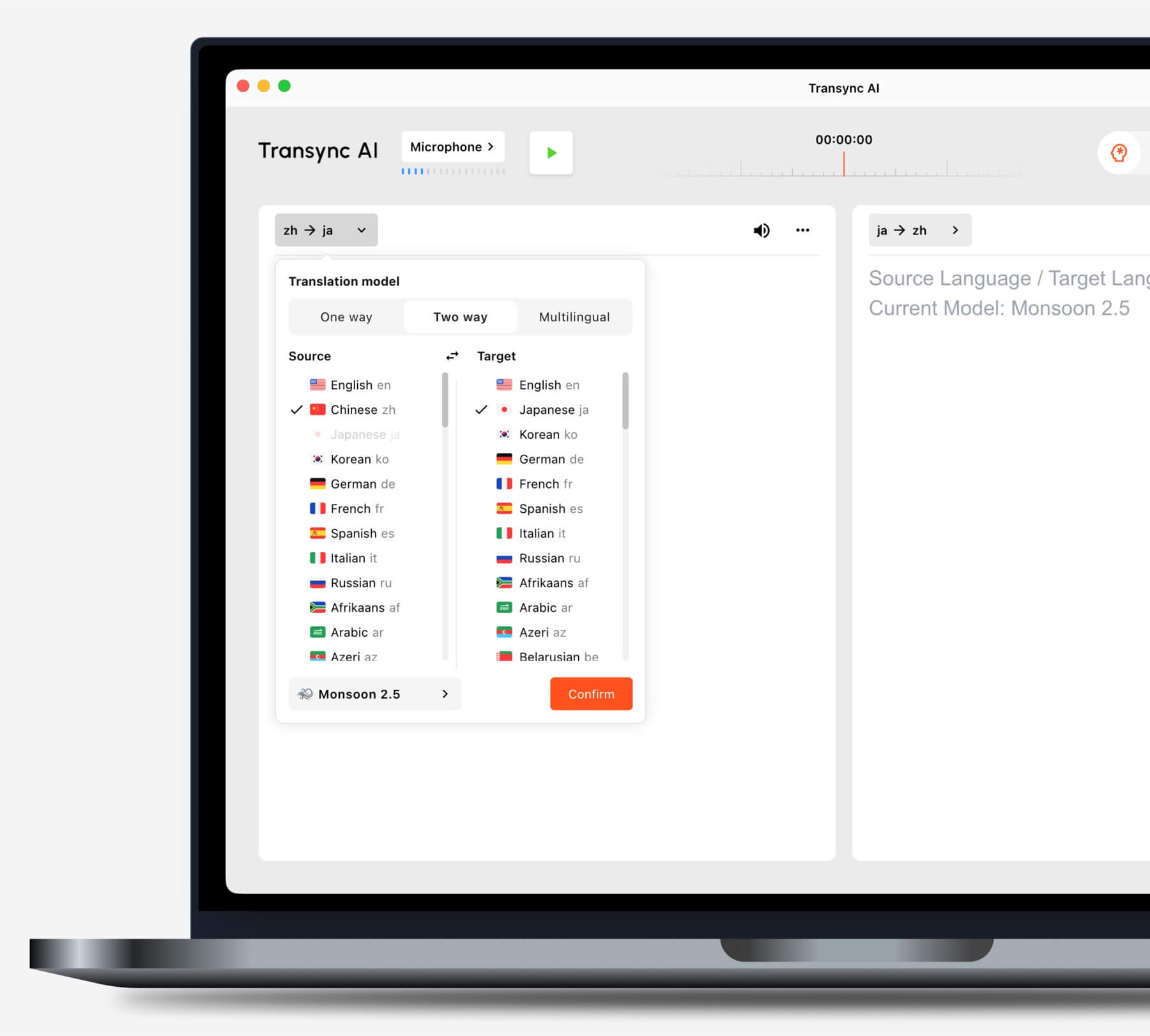
Choose the translation mode that matches your scenario before starting a task.