

Przewodnik po narzędziach do tłumaczeń AI na rok 2026: porównaj procesy tekstowe, głosowe, spotkania, wydarzenia i wspomagane przez człowieka, aby wybrać odpowiednie rozwiązanie.
Narzędzia do tłumaczeń AI nie stanowią już jednej kategorii oprogramowania.
Jedno narzędzie może doskonale przetłumaczyć dopracowany dokument, ale nie nadawać się do rozmowy z klientem na żywo. Inne może zapewnić szybkie napisy dwujęzyczne podczas spotkania, ale nie oferuje tłumaczenia obrazów. Platforma przeznaczona do konferencji może być zbyt rozbudowana dla rozmowy dwuosobowej, a lekki tłumacz mobilny może zawieść podczas warsztatów technicznych.
Dlatego wyszukiwanie “najlepszego tłumacza AI” często daje błędne odpowiedzi.
Lepsze pytanie brzmi:
Który proces tłumaczenia AI jest najbardziej odpowiedni do mojego problemu komunikacyjnego?
W tym przewodniku omówiono główne typy narzędzi do tłumaczeń opartych na sztucznej inteligencji, wyjaśniono, co każda kategoria robi dobrze, i pokazano, jak wybierać pomiędzy tłumaczeniem tekstu, tłumaczeniem głosu, narzędziami do spotkań na żywo, platformami wydarzeń i tłumaczeniem wspomaganym przez człowieka.
Szybka odpowiedź: Czym są narzędzia tłumaczeniowe AI?
Narzędzia do tłumaczeń AI wykorzystywać sztuczną inteligencję do konwersji treści pisanych i mówionych z jednego języka na drugi.
W zależności od produktu mogą one tłumaczyć:
- Tekst wpisany
- Dokumenty
- Strony internetowe
- Obrazy
- Nagrane audio
- Przemówienie na żywo
- Spotkania online
- Webinaria
- Konferencje
- Napisy na filmie obcojęzycznym
- Wyjście głosowe
Niektóre narzędzia koncentrują się tylko na jednym formacie. Inne łączą tłumaczenie z transkrypcją, syntezą głosu, podsumowaniami spotkań, kontrolą terminologii lub interpretacją ludzką.
Główne kategorie to:
| Kategoria | Główne wejście | Typowy wynik |
|---|---|---|
| Tłumacz tekstu | Tekst wpisany lub wklejony | Przetłumaczony tekst |
| Tłumacz dokumentów | Pliki PDF, Word lub prezentacje | Przetłumaczony dokument |
| Tłumacz audio | Nagrane przemówienie | Transkrypcja i tłumaczenie |
| Tłumacz głosowy | Przemówienie na żywo | Napisy lub przetłumaczone audio |
| Spotkanie z tłumaczem | Audio ze spotkania online | Napisy dwujęzyczne, głos i notatki |
| Platforma tłumaczeń wydarzeń | Audio konferencji lub webinarium | Kanały wielojęzykowe |
| Platforma wspomagana przez człowieka | Treść na żywo lub pisemna | Sztuczna inteligencja plus profesjonalna recenzja lub interpretacja |
Właściwa kategoria zależy od tego, czy tłumaczenie ma być dopracowane, natychmiastowe, konwersacyjne, skalowalne lub wiarygodne pod względem prawnym.
Dlaczego jeden tłumacz AI nie potrafi dobrze wykonać wszystkich zadań
Jakość tłumaczenia zależy od czegoś więcej niż tylko zakresu językowego.
System tłumaczenia tekstu ma czas na przetworzenie całego akapitu. Narzędzie do prowadzenia rozmów na żywo musi rozpocząć generowanie danych, zanim mówca zakończy całą dyskusję. Platforma konferencyjna może być zmuszona obsłużyć setki słuchaczy jednocześnie. Tłumacz prawniczy musi zachować dokładne znaczenie i przyjąć na siebie odpowiedzialność zawodową.
Te przepływy pracy wymagają różnych priorytetów.
| Przepływ pracy | Najważniejsze wymaganie |
| Artykuł pisemny | Naturalne frazowanie i edycja |
| Dokument biznesowy | Spójność formatowania i terminologii |
| Rozmowa o podróżach | Szybkość i wygoda mobilna |
| Spotkanie online | Niskie opóźnienie i dwukierunkowe tłumaczenie |
| Wykład | Stabilne napisy i obsługa długich sesji |
| Konferencja | Skala odbiorców i wiele języków wyjściowych |
| Komunikacja prawna lub medyczna | Wiedza i odpowiedzialność ludzka |
Najdłuższa lista funkcji nie oznacza automatycznie najlepszego narzędzia.
Drzewo decyzyjne narzędzi do tłumaczenia AI
Zanim porównasz produkty, skorzystaj z tego prostego procesu decyzyjnego.
Czy potrzebujesz tłumaczenia pisemnego czy ustnego?
Wybierz tłumacza tekstu lub dokumentu dla:
- E-maile
- Raporty
- Artykuły
- Umowy do wstępnego przeglądu
- Prezentacje
- Tekst na stronie internetowej
- Opisy produktów
Wybierz tłumacza głosowego lub konferencyjnego dla:
- Spotkania online
- Wywiady
- Zajęcia
- Połączenia od dostawców
- Rozmowy sprzedażowe
- Webinaria
- Dyskusje twarzą w twarz
Czy tłumaczenie musi odbywać się na żywo?
Jeśli nie, ustal priorytety:
- Jakość edycji
- Obsługa formatu pliku
- Spójność terminologiczna
- Opcje eksportu
- Recenzja ludzka
Jeśli tak, ustal priorytety:
- Utajenie
- Rozpoznawanie mowy
- Dwukierunkowa obsługa językowa
- Czytelność napisów
- Wyjście głosowe
- Trasowanie dźwięku
- Stabilność podczas długich sesji
Ile osób potrzebuje tłumaczenia?
Dla jednej lub dwóch osób wystarczający może okazać się tłumacz konwersacyjny.
W przypadku regularnych spotkań zespołowych należy zwrócić uwagę na:
- Wsparcie platformy spotkań
- Notatki AI
- Ustawienia kontekstowe
- Napisy do udostępniania
Jeśli szukasz konferencji, poszukaj:
- Dostęp dla odbiorców za pomocą linku lub kodu QR
- Wiele języków jednocześnie
- Kontrole organizatora
- Wsparcie techniczne
- Opcje interpretacji AI i człowieka
Co się stanie, jeśli tłumaczenie będzie błędne?
Do rutynowej komunikacji wewnętrznej sztuczna inteligencja może być wystarczająca.
W przypadku komunikacji w sprawach prawnych, medycznych, finansowych, regulacyjnych lub dotyczących bezpieczeństwa należy skorzystać z wykwalifikowanej oceny ludzkiej lub profesjonalnej interpretacji.
Kategoria 1: Narzędzia do tłumaczenia tekstów i dokumentów AI
Narzędzia skoncentrowane na tekście są przeznaczone do języka pisanego.
Są one powszechnie stosowane do:
- E-maile
- Artykuły
- Raporty
- Prezentacje
- Dokumentacja produktu
- Komunikacja wewnętrzna
- Lokalizacja pierwszego przejścia
DeepL to przykład platformy, która oprócz nowszych produktów głosowych oferuje również usługi tłumaczenia tekstów i dokumentów.
Na co zwrócić uwagę
- Naturalna struktura zdania
- Opcje tonu formalnego i nieformalnego
- Zachowywanie formatu dokumentu
- Glosariusze
- Spójna terminologia
- Kontrola bezpieczeństwa danych
- Przepływ pracy edycyjnej
- Dostęp do API
Główne ograniczenie
Dobry tłumacz dokumentów może nie być dobrym tłumaczem ustnym.
Tłumaczenie pisemne może poczekać na pełne zdanie lub akapit. Mowa na żywo wymaga od systemu zrównoważenia szybkości z niepełnym kontekstem.
Kategoria 2: Tłumacze głosowi AI do konwersacji
Tłumacze głosowe oparte na sztucznej inteligencji słuchają języka mówionego i tworzą przetłumaczony tekst lub mowę.
Najlepiej sprawdzają się w przypadku:
- Rozmowy twarzą w twarz
- Podróż
- Interakcje z klientami
- Wywiady
- Wizyty w biurze
- Dyskusje w małych grupach
Co powinien robić użyteczny tłumacz głosowy
- Rozpoznawać mowę wyraźnie
- Wspieraj oba kierunki tłumaczenia
- Rozróżnij wybrane języki
- Wyświetl czytelne napisy
- Zapewnij naturalny dźwięk
- Radź sobie z krótkimi odpowiedziami
- Zachowaj numery i nazwy
- Unikaj nadmiernego opóźnienia odtwarzania
Wrażenia użytkownika są tak samo ważne jak tłumaczenie.
Nawet poprawne tłumaczenie otrzymane po zakończeniu rozmowy może okazać się bezużyteczne.
Kategoria 3: Narzędzia do tłumaczeń spotkań w czasie rzeczywistym
Tłumaczenia spotkań to jedna z najszybciej rozwijających się kategorii, ponieważ komunikacja na całym świecie coraz częściej odbywa się za pośrednictwem Zoom, Microsoft Teams i Google Meet.
Narzędzia te mogą zapewnić:
- Transkrypcja na żywo
- Tłumaczenie w czasie rzeczywistym
- Napisy dwujęzyczne
- Tłumaczenie głosowe
- Notatki ze spotkania
- Transkrypcje
- Pytania i odpowiedzi dotyczące sztucznej inteligencji
- Ustawienia terminologii
Transync AI
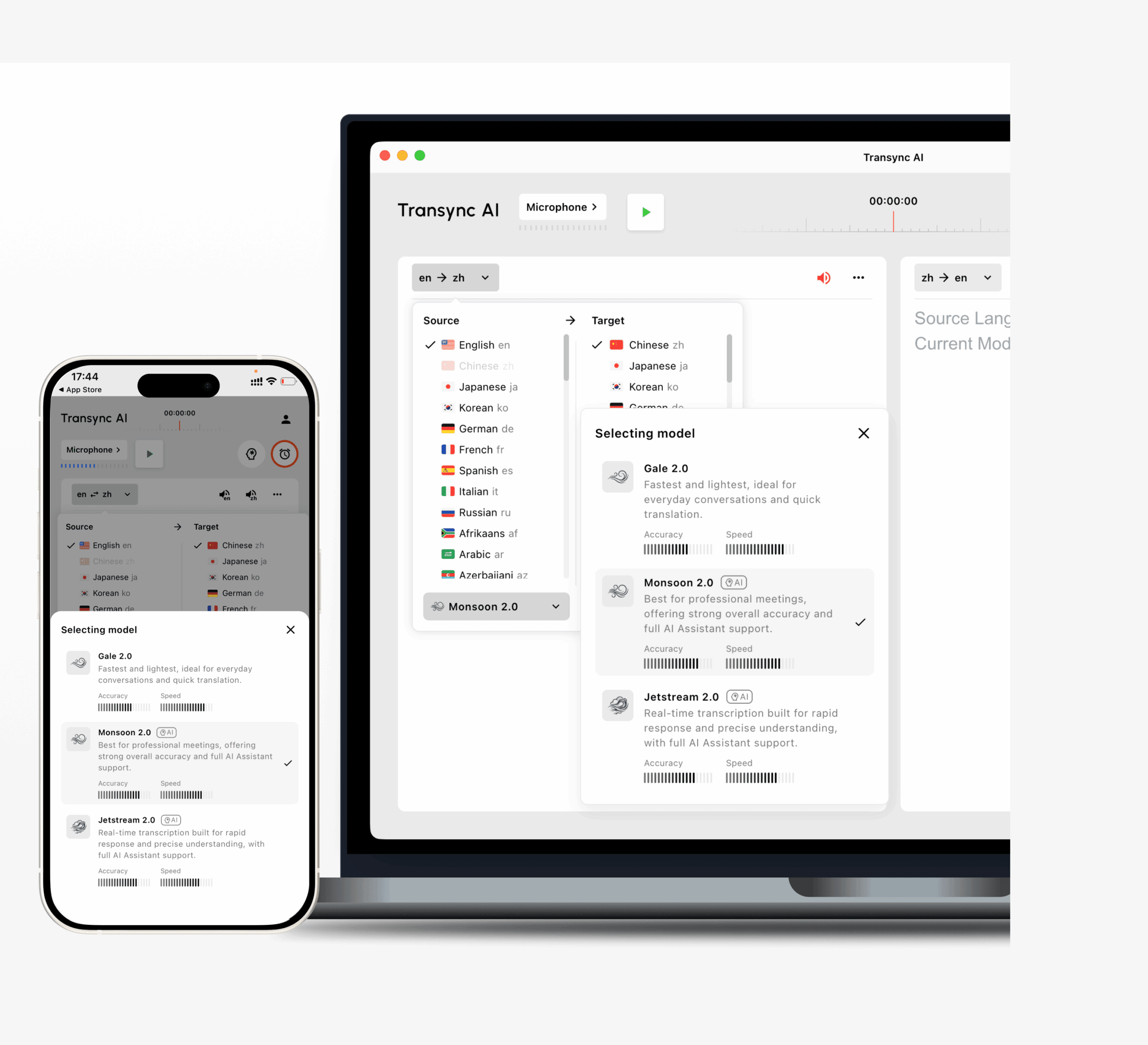
Jego przepływ pracy obejmuje:
- Tłumaczenie dwukierunkowe w 60 językach
- Ponad 1000 par językowych
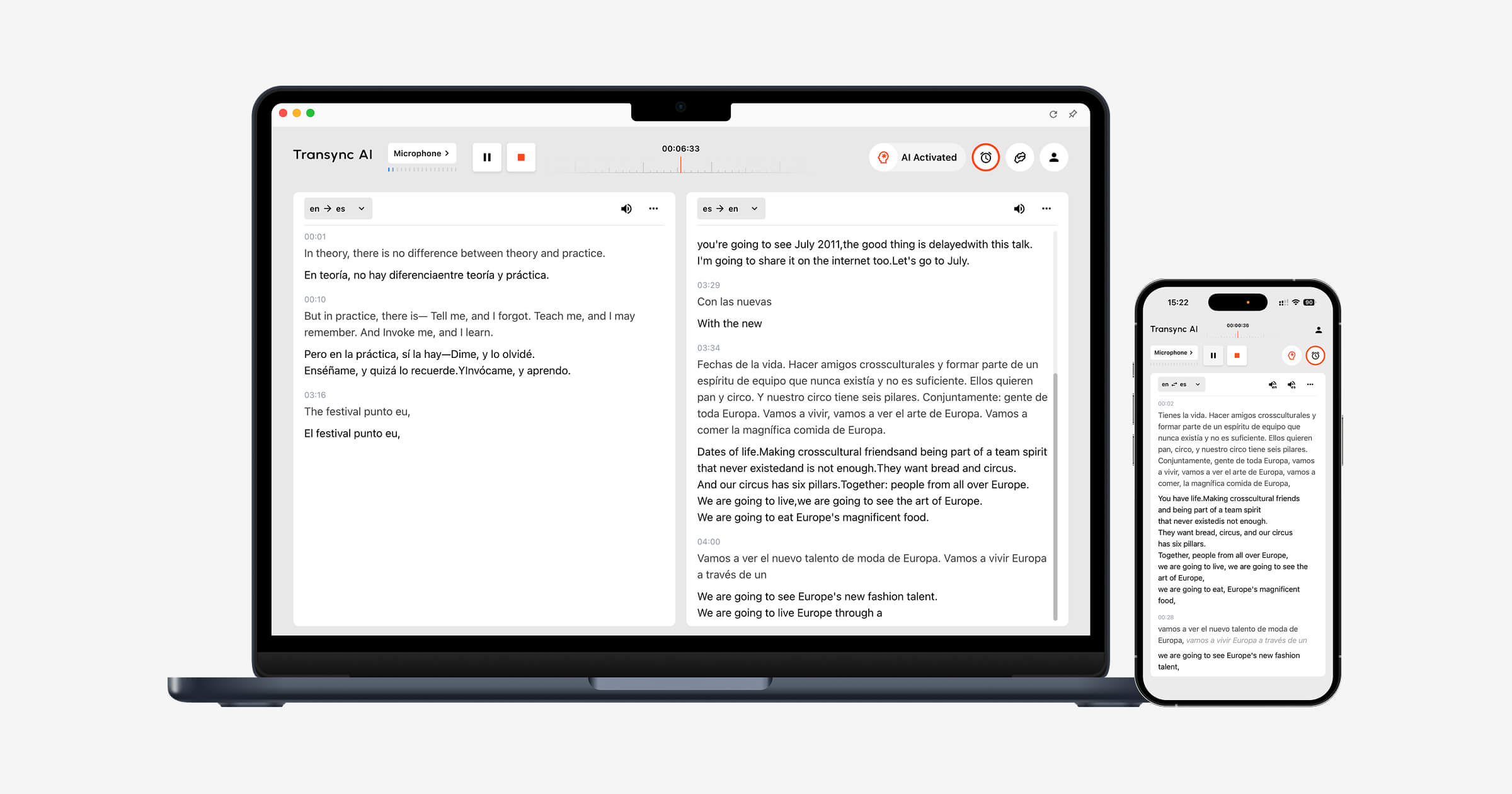
- Oryginalne i przetłumaczone napisy obok siebie
- Transmisja głosu AI
- Wiele możliwości wyboru głosu
- Podgląd głosu
- Klonowanie głosu
- Słowa kluczowe i kontekst
- Notatki ze spotkań AI
- Napisy obraz w obrazie
- Obsługa przepływów pracy w Zoom, Teams i Google Meet
Transync AI działa jako samodzielne oprogramowanie, a nie jako wtyczka do spotkań.
Jest to przydatne rozwiązanie dla osób korzystających z kilku platform konferencyjnych i chcących korzystać z jednego interfejsu do tłumaczeń na wszystkich platformach.
JotMe
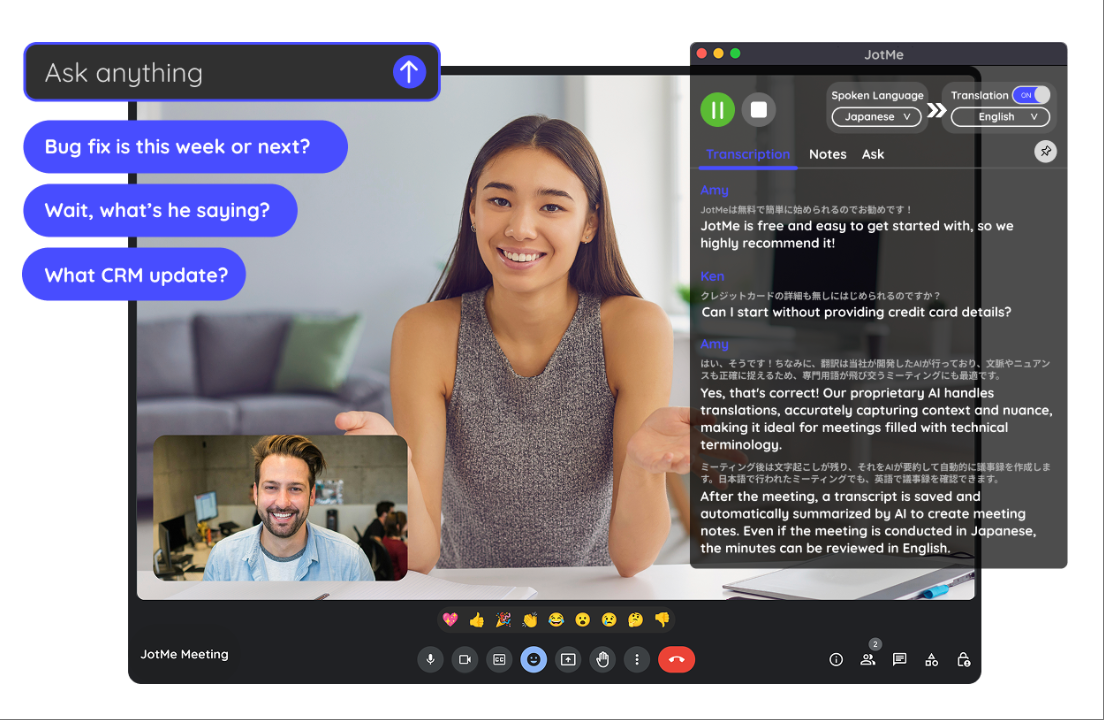
JotMe koncentruje się na obsłudze spotkań wielojęzycznych, łącząc tłumaczenie na żywo z transkrypcją i sporządzaniem notatek ze spotkań.
Rozwiązanie to może spodobać się użytkownikom, którym zależy na tym, aby tłumaczenie i dokumentacja po spotkaniu odbywały się w ramach tego samego procesu roboczego.
Talo
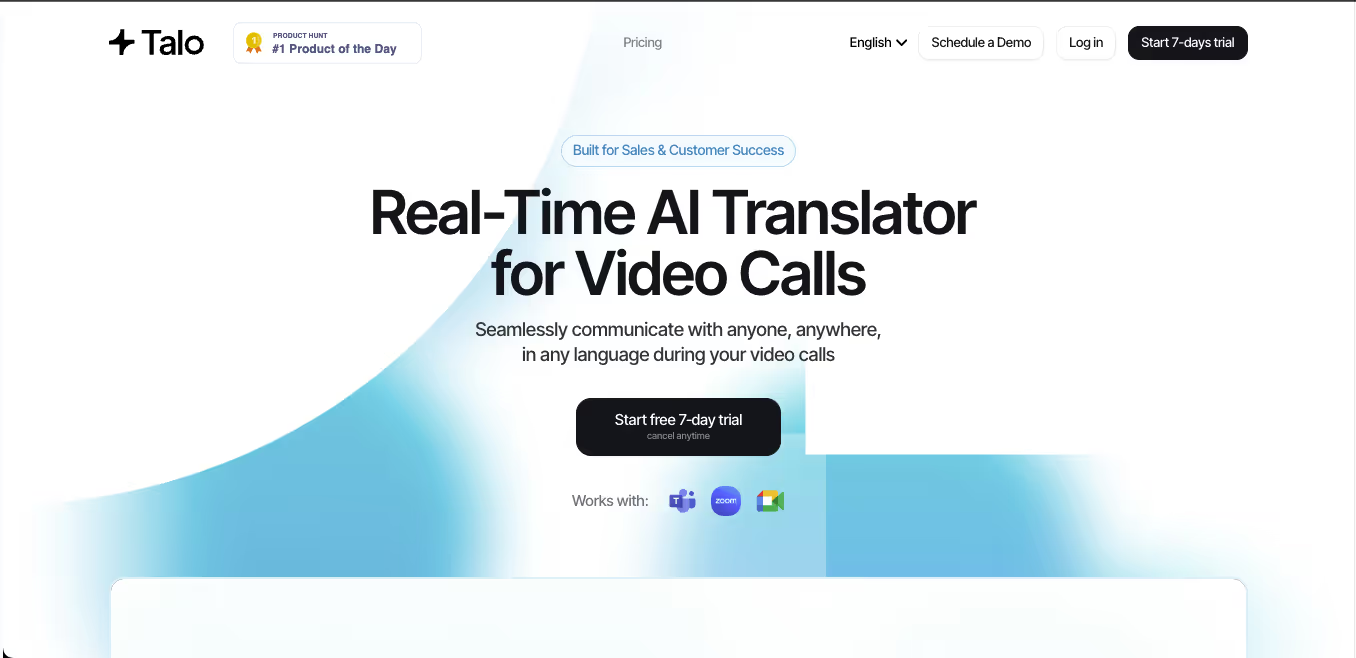 Talo koncentruje się na tłumaczeniu głosu w czasie rzeczywistym podczas połączeń wideo.
Oparty na botach przepływ pracy został zaprojektowany z myślą o platformach takich jak Zoom, Teams i Google Meet.
Takie podejście może być wygodne, gdy uczestnicy nie chcą samodzielnie konfigurować dźwięku systemowego, choć niektóre organizacje wolą konfigurację bez botów lub autonomiczną.
Głos DeepL
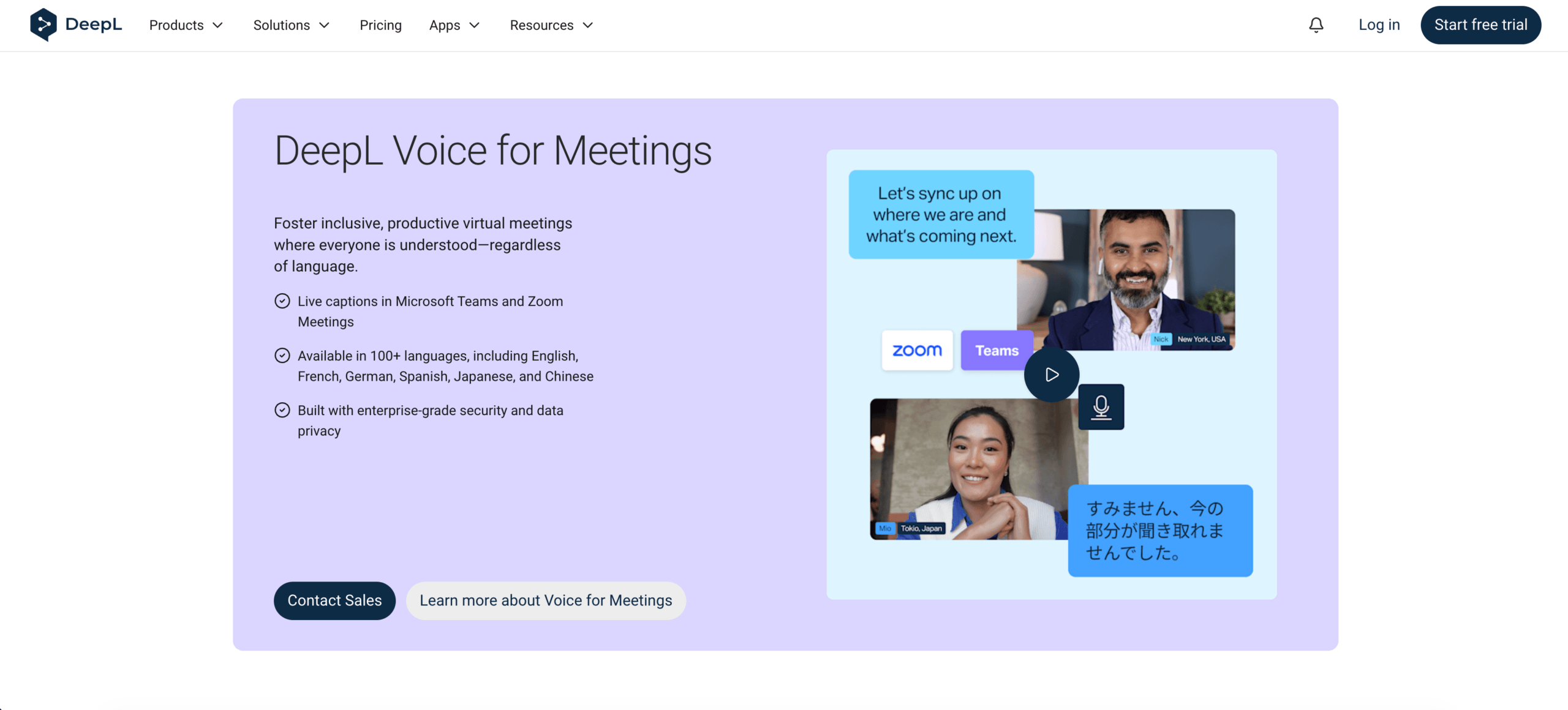 DeepL Voice rozszerza technologię językową DeepL o rozmowy na żywo i spotkania.
Jest to istotne dla organizacji, które już korzystają z DeepL do profesjonalnych tłumaczeń pisemnych i chcą dodać komunikację głosową do tego samego procesu pracy językowej.
Kategoria 4: Narzędzia do tłumaczenia AI na potrzeby wydarzeń
Spotkanie zespołu i konferencja to nie to samo zagadnienie tłumaczeniowe.
Platforma wydarzeń może wymagać obsługi:
- Setki lub tysiące słuchaczy
- Kilka języków docelowych
- Webinaria
- Przemówienia inauguracyjne
- Obiekty hybrydowe
- Dostęp za pomocą kodu QR
- Słuchanie mobilne
- Oddzielne kanały językowe
- Profesjonalni tłumacze
- Analityka organizatora
Mistrzyni
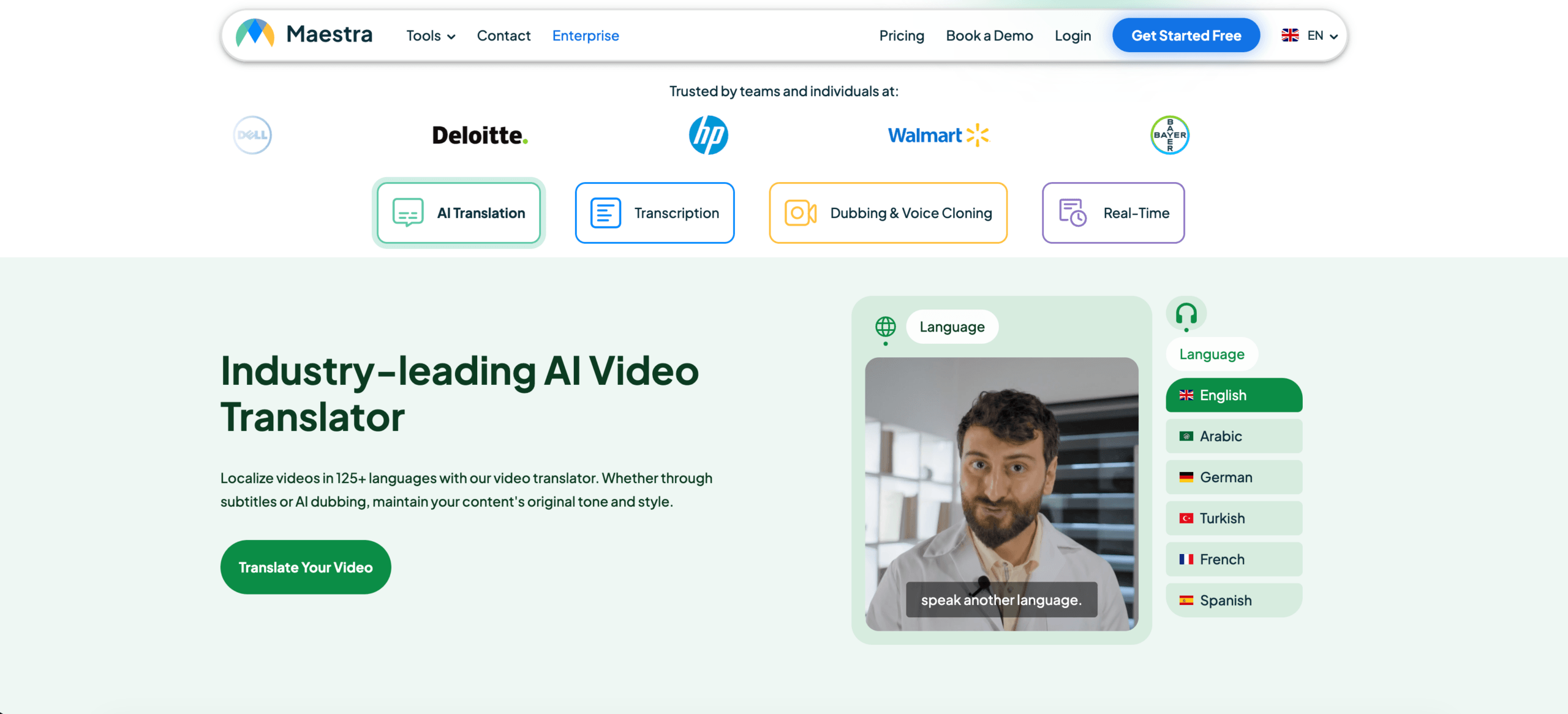 Maestra oferuje tłumaczenia w czasie rzeczywistym i na żądanie, transkrypcję, napisy i dubbing.
Podczas pracy na żywo możliwe jest korzystanie z przetłumaczonych napisów lub komunikatów mówionych, a uczestnicy mogą uzyskać dostęp do tłumaczenia za pośrednictwem udostępnianych łączy lub kodów QR.
Dzięki temu rozwiązanie to sprawdza się podczas spotkań, webinariów, transmisji strumieniowych i dłuższych sesji wielojęzycznych.
KUDO
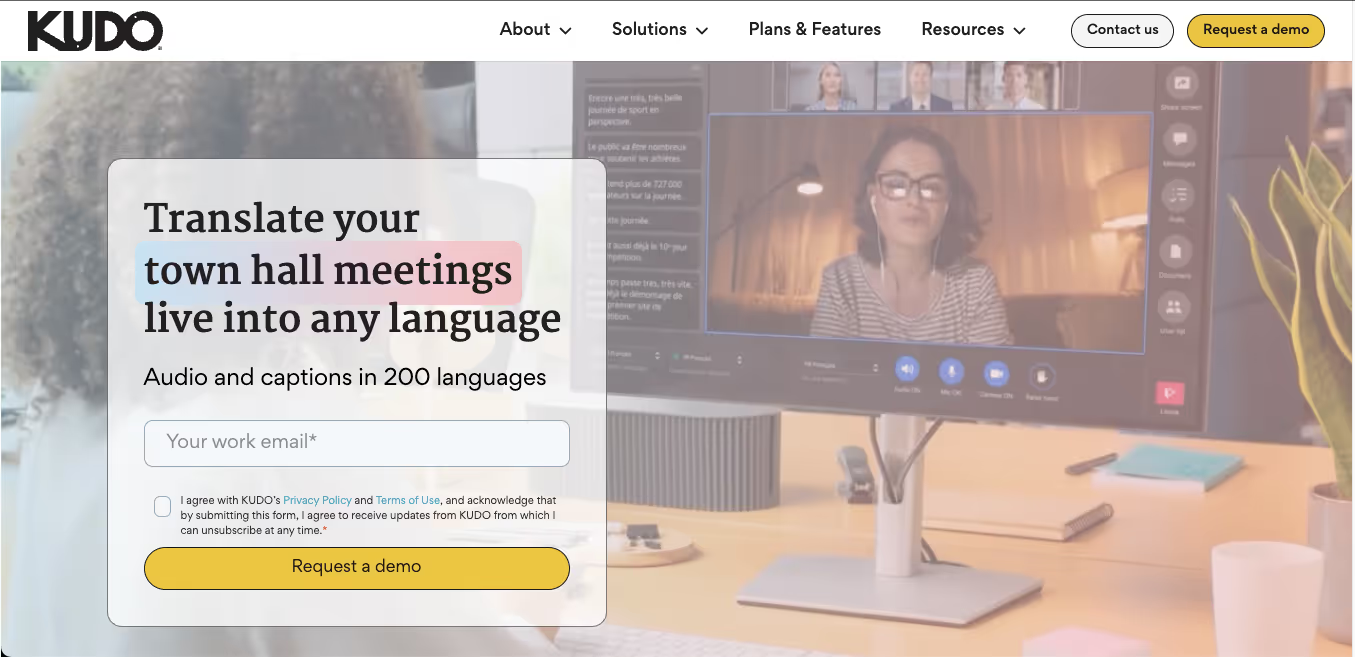 KUDO łączy w sobie wspomagane sztuczną inteligencją tłumaczenie mowy z profesjonalną interpretacją ludzką.
Ten hybrydowy model jest przydatny, gdy organizacje mają różne poziomy ryzyka dla różnych wydarzeń.
Na przykład:
- Tłumaczenie AI na potrzeby cyklicznych prezentacji wewnętrznych
- Tłumacze ludzcy na sesje dotyczące spraw zarządu, instytucji rządowych lub spraw prawnie wrażliwych
- Połączenie kanałów sztucznej inteligencji i języka ludzkiego podczas dużego wydarzenia
Światowy
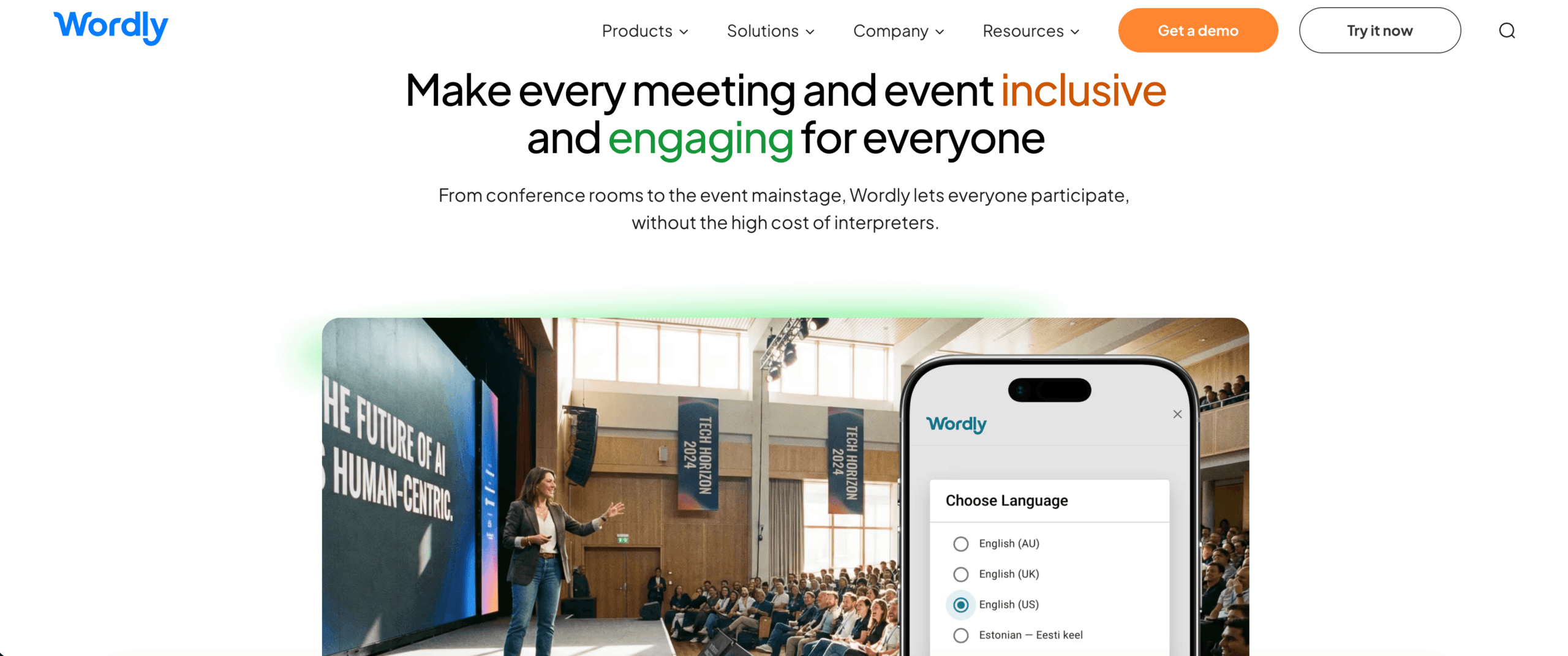 Aplikacja Wordly jest przeznaczona do obsługi wielojęzycznych spotkań, seminariów internetowych i wydarzeń, w przypadku których uczestnicy potrzebują przetłumaczonych napisów lub ścieżki dźwiękowej w preferowanym języku.
Platformy zorientowane na wydarzenia mogą być bardziej skalowalne niż narzędzia do indywidualnych spotkań, ale ich konfiguracja i cena mogą być wygórowane w przypadku sporadycznych rozmów indywidualnych.
Kategoria 5: Narzędzia do tłumaczenia plików audio i wideo
Nie wszystkie treści mówione są transmitowane na żywo.
Nagrane treści mogą obejmować:
- Wywiady
- Podcasty
- Filmy szkoleniowe
- Wykłady
- Filmy marketingowe
- Badania użytkowników
- Treści z YouTube'a
- Nagrane spotkania
W przypadku tego przepływu pracy użytkownicy mogą potrzebować:
- Transkrypcja
- Tłumaczenie
- Czas wyświetlania napisów
- Dubbing głosowy
- Identyfikacja mówcy
- Eksportuj w formatach multimedialnych
Narzędzia takie jak Maestra, Sonix, Notta, Descript i ElevenLabs służą do obsługi różnych części tego procesu pracy.
Co należy traktować priorytetowo
- Obsługiwane formaty przesyłania
- Separacja głośników
- Eksport napisów
- Dokładność znacznika czasu
- Jakość głosu
- Synchronizacja dubbingu
- Narzędzia do edycji
- Recenzja tłumaczenia
Platforma obsługująca nagrane multimedia może zapewniać lepsze funkcje edycji i eksportu niż tłumacz prowadzący spotkanie na żywo.
Kategoria 6: AI plus tłumaczenie ludzkie
Sztuczna inteligencja jest szybka i skalowalna. Ludzie lepiej radzą sobie z odpowiedzialnością, niuansami, oceną kulturową i nietypowymi sytuacjami.
Platformy tłumaczeń hybrydowych łączą w sobie obydwa te rozwiązania.
Model ten może być odpowiedni, gdy:
- Pierwszy projekt sztucznej inteligencji wymaga profesjonalnej recenzji
- Duża ilość treści musi zostać szybko przetłumaczona
- Niektóre sesje są rutynowe, inne zaś wiążą się z dużym ryzykiem
- Wydarzenie wymaga zarówno kanałów AI, jak i profesjonalnych tłumaczy
- Firma potrzebuje eskalacji ze wsparcia automatycznego na wsparcie ludzkie
KUDO, Interprefy, Unbabel, Gengo, Boostlingo i inni dostawcy stosują różne kombinacje sztucznej inteligencji, tłumaczenia ludzkiego i interpretacji.
Najważniejszym pytaniem nie jest to, czy sztuczna inteligencja czy ludzie są powszechnie lepsi.
To tutaj należy używać każdego z nich.
Porównanie narzędzi do tłumaczeń AI według przepływu pracy
| Narzędzie | Najsilniejszy przepływ pracy | Kluczowe zagadnienie |
| Transync AI | Spotkania dwukierunkowe, tłumaczenie głosowe, napisy dwujęzyczne i notatki | Skupienie się na żywej mowie; brak tłumaczenia offline, obrazów lub statycznego tekstu |
| DeepL | Tekst, dokumenty, profesjonalna praca językowa i głos | Sprawdź, który produkt głosowy i platforma konferencyjna są odpowiednie dla Twojej organizacji |
| JotMe | Tłumaczenie spotkań, transkrypcja i notatki AI | Najlepiej nadaje się do przepływów pracy skoncentrowanych na spotkaniach |
| Talo | Tłumaczenie głosu w rozmowach wideo przy użyciu botów | Bot do spotkań może nie spełniać wszystkich preferencji prywatności lub przepływu pracy |
| Mistrzyni | Tłumaczenia na żywo i nagrane, napisy, dubbing i wydarzenia | Szerokie możliwości multimedialne mogą wykraczać poza potrzeby prostych spotkań |
| KUDO | Wydarzenia korporacyjne ze sztuczną inteligencją i interpretacją ludzką | Przeznaczony do większych lub bardziej ustrukturyzowanych programów wielojęzycznych |
| Światowy | Dostęp wielojęzycznej publiczności do spotkań i wydarzeń | Ceny uzależnione od wydarzenia mogą być zbędne dla okazjonalnych użytkowników |
Nie jest to ranking uniwersalny.
Każdy produkt jest zoptymalizowany pod kątem innego problemu tłumaczeniowego.
Jak uczciwie oceniać narzędzia do tłumaczenia AI
Strony marketingowe często prezentują idealnie przygotowane nagrania audio i zdania. Prawdziwy test powinien odzwierciedlać rzeczywistą pracę użytkownika.
Metoda testowa
Nagrywać:
- Data testu
- Wersja narzędzia
- Urządzenie
- System operacyjny
- Platforma spotkań
- Para językowa
- Mikrofon
- Połączenie sieciowe
- Liczba mówców
- Środowisko audio
Użyj realistycznego scenariusza
Włączać:
- Swobodne wprowadzenie
- Wyjaśnienie techniczne
- Nazwy
- Terminologia produktów
- Takty muzyczne
- Daty
- Procenty
- Korekta
- Przerwanie zdania
- Mowa mieszana
- Podsumowanie końcowe
Przykład:
Możemy wysłać 1250 egzemplarzy modelu X300 do 18 października (przepraszamy, 28 października), jeśli zespół inżynierów regionu Azji i Pacyfiku zatwierdzi poprawioną specyfikację w najbliższy piątek.
Oceń przepływ pracy
| Metryczny | Co mierzyć |
| Uznanie | Czy narzędzie prawidłowo rozpoznało oryginalną mowę? |
| Dokładność | Czy zamierzony sens został zachowany? |
| Utajenie | Czy tłumaczenie dotarło przed zmianą tematu? |
| Terminologia | Czy nazwy i terminy specjalistyczne były spójne? |
| Przepływ dwukierunkowy | Czy obaj uczestnicy mogli zareagować naturalnie? |
| Napisy | Czy napisy były czytelne i stabilne? |
| Głos | Czy przetłumaczona mowa była wyraźna i naturalna? |
| Integracja | Czy narzędzie było dostosowane do istniejącego procesu spotkań lub obsługi mediów? |
| Stabilność | Czy wydajność pozostała na tym samym poziomie podczas dłuższej sesji? |
| Wartość po sesji | Czy transkrypcje, notatki i eksporty były przydatne? |
Uruchom test w obu kierunkach tłumaczenia.
Wydajność tłumaczenia z języka angielskiego na japoński może różnić się od wydajności tłumaczenia z japońskiego na angielski. To samo dotyczy innych par językowych.
Jak Transync AI wpisuje się w rynek narzędzi do tłumaczeń AI
Rozwiązanie Transync AI nie ma na celu zastąpienia każdej kategorii.
Jest to najbardziej przydatne, gdy użytkownik potrzebuje tłumaczenia w trakcie rozmowy na żywo.
Najlepiej dopasowane scenariusze
- Międzynarodowe spotkania z klientami
- Połączenia od dostawców
- Zdalne dyskusje zespołowe
- Zajęcia online
- Wywiady
- Pokazy produktów
- Prezentacje wielojęzyczne
- Sesje szkoleniowe
- Profesjonalne rozmowy twarzą w twarz
Główny przepływ pracy
Przed spotkaniem użytkownicy mogą:
- Wybierz parę językową
- Dodaj nazwy i słowa kluczowe techniczne
- Opisz kontekst spotkania
- Podgląd przetłumaczonego głosu
- Przetestuj ustawienia mikrofonu i dźwięku
Podczas spotkania użytkownicy mogą:
- Przeczytaj napisy dwujęzyczne
- Włącz tłumaczony głos
- Pozwól systemowi rozróżniać wybrane języki
- Użyj ruchomych napisów podczas przełączania aplikacji
- Uruchom Transync AI wraz z Zoom, Teams lub Google Meet
Po spotkaniu użytkownicy mogą:
- Przejrzyj rekord tłumaczenia
- Sprawdź notatki ze spotkania AI
- Potwierdź nazwy, numery i decyzje
- Eksportuj lub ponownie wykorzystaj ważne treści
Odkryj narzędzie do tłumaczenia w czasie rzeczywistym, tłumaczenie spotkania na żywo, I Notatki ze spotkań AI stron.
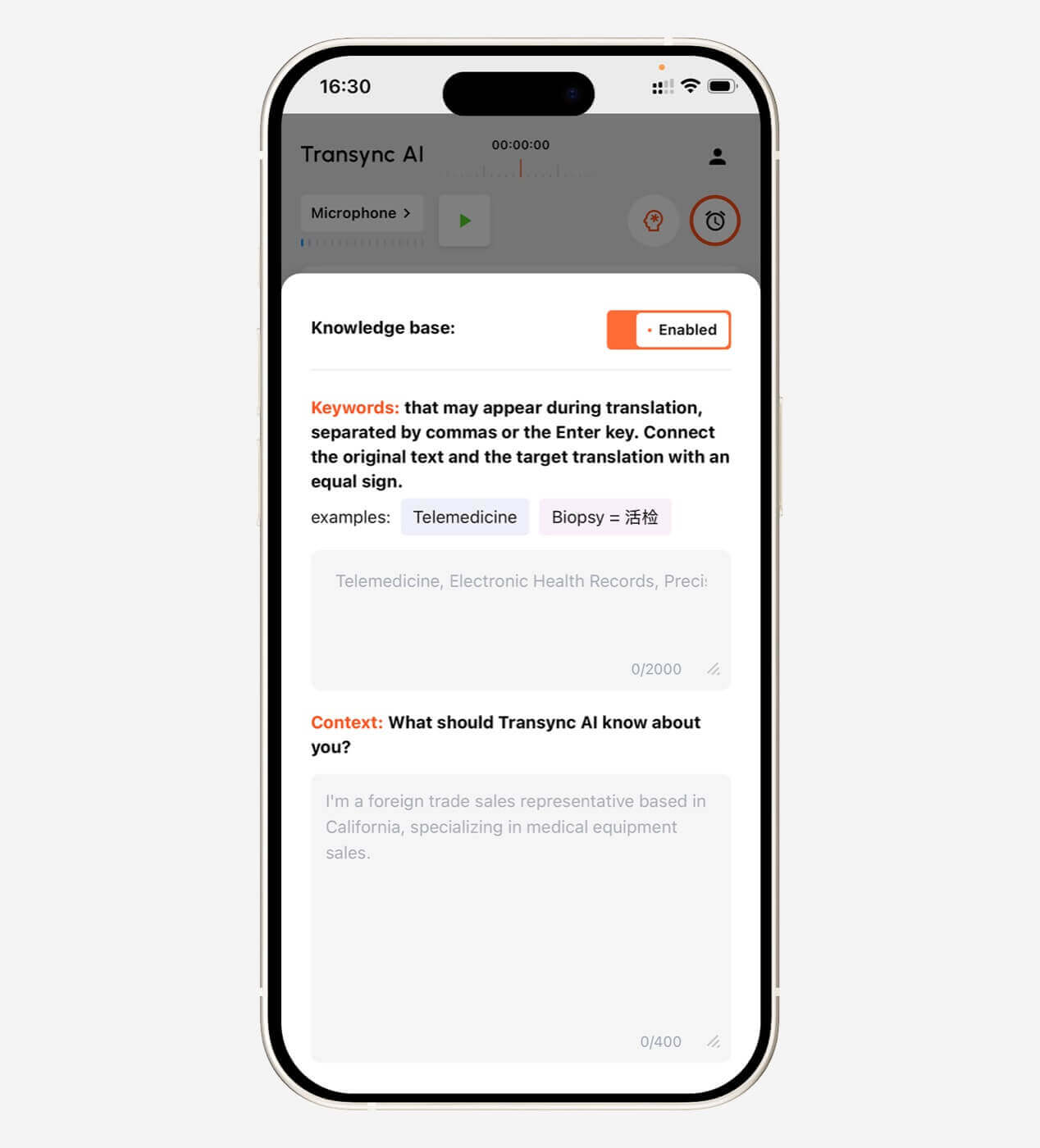
 Słowa kluczowe i kontekst: cecha, która ma większe znaczenie niż liczba języków
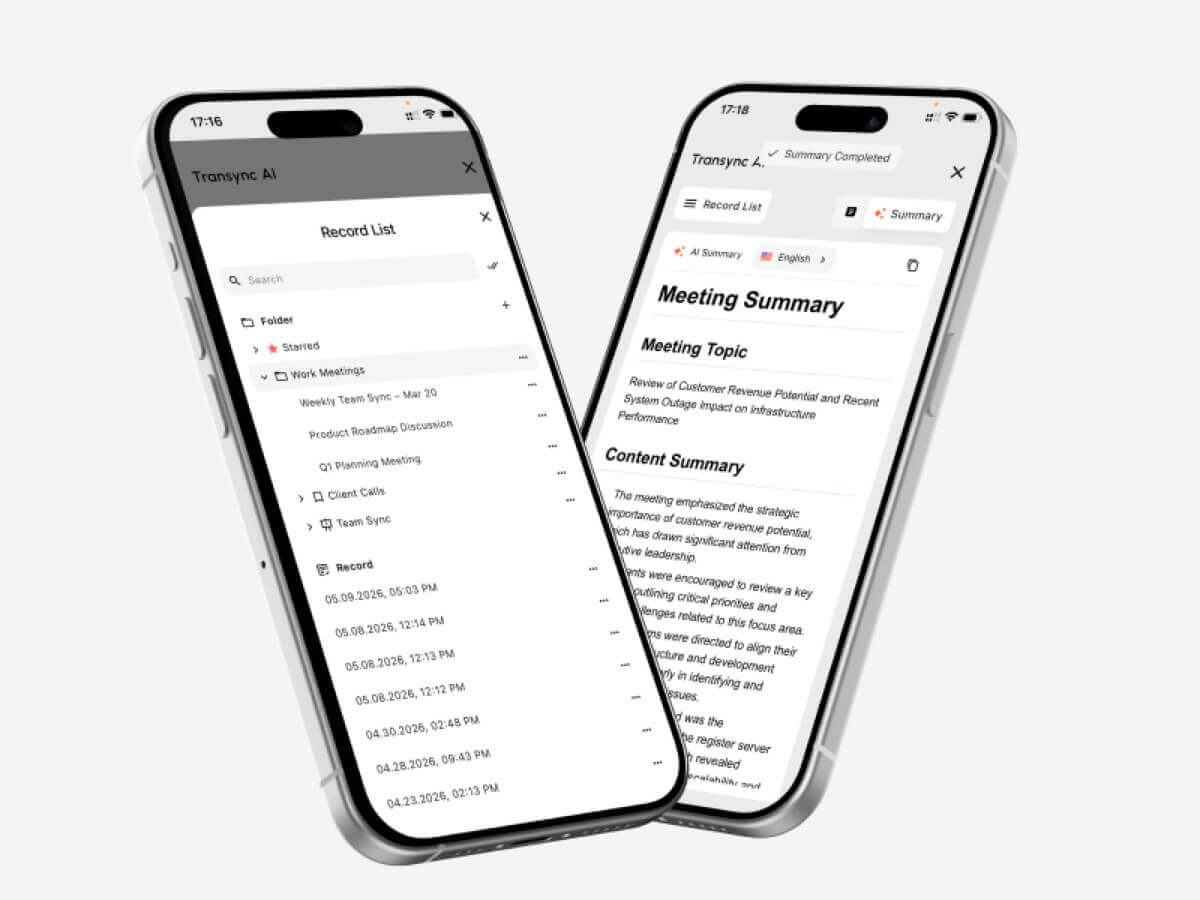 Słowa kluczowe i kontekst: cecha, która ma większe znaczenie niż liczba języków
Liczbę języków łatwo porównać. Jakość kontekstu trudniej zmierzyć.
Rozmowy zawodowe zawierają:
- Nazwy firm
- Nazwiska pracowników
- Modele produktów
- Skróty
- Terminy techniczne
- Wyrażenia regionalne
- Znaczenia specyficzne dla branży
Ogólny tłumacz może rozpoznać każde słowo, ale i tak wybrać niewłaściwe znaczenie.
Transync AI umożliwia użytkownikom dodawanie słów kluczowych, takich jak:
- Transync AI = rozwiązanie
- falownik fotowoltaiczny
- opakowania półprzewodnikowe
- Azja i Pacyfik
- Jan Kowalski
- Model X300
- sieć neuronowa
- optymalizacja łańcucha dostaw
Użytkownicy mogą również dodać kontekst:
Jest to spotkanie dostawców, na którym omawiane są kwestie produkcji półprzewodników, zdolności produkcyjnych, kontroli jakości, harmonogramów dostaw i zgodności z przepisami regionalnymi.
Informacje te pomagają sztucznej inteligencji interpretować niejednoznaczne terminy w sposób bardziej spójny.
Dowiedz się więcej od Asystent AI Słowa kluczowe Kontekst.
 Głos czy napisy: co jest lepsze?
 Głos czy napisy: co jest lepsze?
Żadna opcja nie jest zawsze lepsza.
Wybierz napisy, gdy:
- Należy sprawdzić nazwy i numery
- Środowisko jest hałaśliwe
- Uczestnicy wolą czytać
- Odtwarzanie głosu przerywałoby pracę głośnika
- Użytkownicy muszą porównywać treść oryginalną i przetłumaczoną
Wybierz głos tłumaczony, gdy:
- Uczestnicy nie mogą oglądać ekranu
- Tłumaczenie musi być słyszane na głos
- Prezentacja wymaga wypowiedzi mówionej
- Słuchacz czyta powoli w języku docelowym
- Spotkanie powinno mieć bardziej konwersacyjny charakter
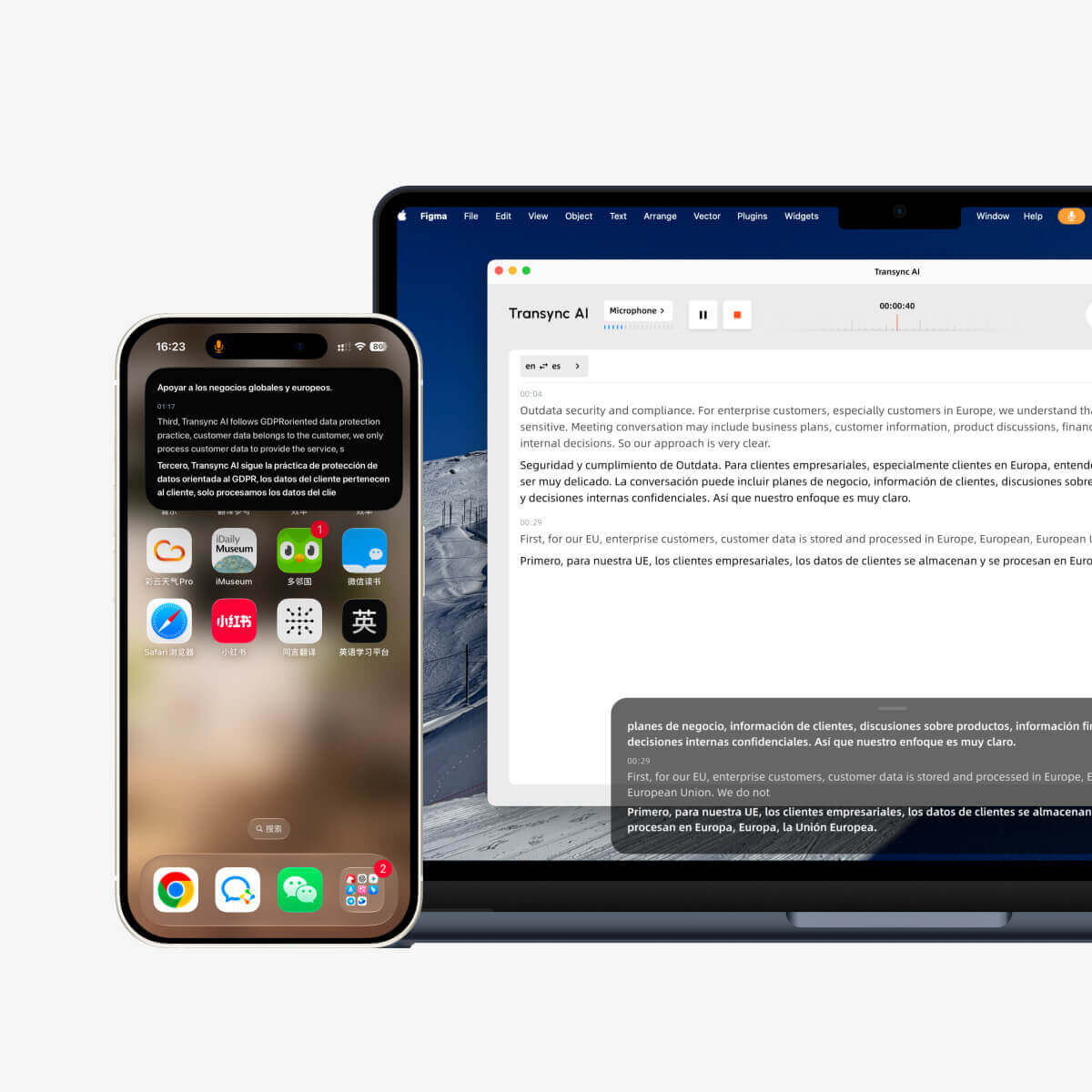
Transync AI oferuje dwujęzyczne napisy, transmisję głosu AI, podgląd głosu i klonowanie głosu.
Okno napisów w trybie obraz w obrazie może być widoczne ponad innymi aplikacjami w obsługiwanych przepływach pracy na komputerach Mac, Windows i iOS.
Badać Tłumacz głosu AI i wyjście mowy I Obraz w obrazie – pływające napisy.
Cennik: porównaj wykorzystanie, a nie tylko opłaty miesięczne
Narzędzia do tłumaczeń AI mogą pobierać opłaty w następujący sposób:
- Charakter
- Słowo
- Strona
- Minuta audio
- Godzina tłumaczenia
- Użytkownik
- Spotkanie
- Wydarzenie
- Wykorzystanie API
- Miesięczna subskrypcja
W przypadku tłumaczeń na żywo ważniejsza jest cena abonamentu niż liczba godzin wliczonych w cenę.
| Plan Transync AI | Cena | Wliczone użycie | Najlepszy dla |
| Bezpłatny | $0 | 40 minut dla nowych użytkowników | Testowanie wstępne |
| Premia osobista | $8,99/miesiąc | 10 godzin w okresie aktywnego członkostwa | Osoby indywidualne i regularne spotkania |
| Przedsiębiorstwo | $24,99/miesiąc/miejsce | Do 40 godzin miesięcznie na stanowisko | Zespoły i organizacje |
| Karta czasu | Od $0,70/godzinę | Dodatkowy czas tłumaczenia | Użytkownicy ze zmieniającym się miesięcznym zapotrzebowaniem |
Godziny z karty czasu pracy nie tracą ważności, ale można z nich korzystać wyłącznie w okresie aktywności członkostwa.
Przed zakupem jakiegokolwiek narzędzia oszacuj:
- Godziny spotkań miesięcznych
- Liczba użytkowników
- Liczba języków docelowych
- Wielkość widowni wydarzenia
- Objętość pliku
- Wymagana recenzja człowieka
- Dodatkowe koszty głosu lub dubbingu
Ograniczenia narzędzi do tłumaczeń AI
Żadne narzędzie do tłumaczenia oparte na sztucznej inteligencji nie działa idealnie w każdym środowisku.
Do typowych ograniczeń należą:
- Szum tła
- Echo pomieszczenia
- Słabe mikrofony
- Nakładające się głośniki
- Mocne akcenty
- Niekompletne zdania
- Slang regionalny
- Terminy techniczne
- Niestabilny internet
- Szybkie przełączanie języków
- Niejednoznaczne sformułowanie
- Opóźnienie wyjścia głosowego
Transync AI ma również kilka ograniczeń specyficznych dla danego produktu:
- Tryb offline jest niedostępny
- Rozpoznawanie obrazu nie jest obsługiwane
- Tłumaczenie tekstu statycznego nie jest jego głównym zastosowaniem
- Działa jako samodzielne oprogramowanie, a nie jako wtyczka do spotkań
- Warunki audio i sieciowe nadal wpływają na jakość tłumaczenia
Ograniczenia te wyjaśniają stanowisko firmy: Transync AI to narzędzie do komunikacji wielojęzycznej w czasie rzeczywistym, a nie uniwersalny dokument, obraz ani tłumacz offline.
Kiedy warto skorzystać z usług tłumacza?
Skorzystaj z profesjonalnego wsparcia, jeśli błędy mogą mieć wpływ na:
- Prawa prawne
- Opieka medyczna
- Bezpieczeństwo osobiste
- Status imigracyjny
- Zobowiązania umowne
- Decyzje finansowe
- Zgodność z przepisami
- Reputacja publiczna
- Wrażliwe sprawy pracownicze
Sztuczna inteligencja może wspierać rutynową komunikację, ale odpowiedzialność nadal spoczywa na osobach korzystających z wyników.
Organizacja praktyczna może wykorzystywać:
- Sztuczna inteligencja do cyklicznych spotkań wewnętrznych
- Recenzja dokumentów publicznych przez człowieka
- Profesjonalni tłumacze na sesje o wysokim ryzyku
- Narzędzia hybrydowe dla dużych wydarzeń wielojęzycznych
FAQ: Narzędzia do tłumaczeń AI
Czym są narzędzia tłumaczeniowe AI?
Narzędzia do tłumaczenia oparte na sztucznej inteligencji (AI) wykorzystują sztuczną inteligencję do konwersji treści pisanych lub mówionych z jednego języka na drugi. Mogą obsługiwać tekst, dokumenty, pliki audio, mowę na żywo, spotkania, napisy lub odtwarzanie głosu.
Jakie jest najlepsze narzędzie do tłumaczenia AI?
Nie ma jednego, najlepszego narzędzia do każdego procesu pracy. DeepL sprawdza się w pracy z tekstem i językiem specjalistycznym, Transync AI w wielojęzycznych konwersacjach na żywo, JotMe w spotkaniach i notatkach, Maestra w transmisjach na żywo i nagraniach, a KUDO w szerszych programach AI i tłumaczeń ustnych.
Które narzędzia do tłumaczeń AI sprawdzają się podczas spotkań?
Opcje przeznaczone do spotkań obejmują Transync AI, JotMe, Talo, DeepL Voice, Maestra, KUDO i Wordly. Porównaj kompatybilność platform, opóźnienia, obsługę języków, wyjście głosowe, notatki i wymagania konfiguracyjne.
Czy narzędzia tłumaczeniowe AI potrafią tłumaczyć mowę w czasie rzeczywistym?
Tak. Narzędzia działające w czasie rzeczywistym potrafią rozpoznawać mowę, tłumaczyć ją, wyświetlać napisy, a czasem generować przetłumaczony głos z niewielkim opóźnieniem.
Czy narzędzia sztucznej inteligencji mogą zastąpić tłumaczy?
Mogą sobie poradzić z wieloma rutynowymi zadaniami, ale w przypadku komunikacji prawnej, medycznej, regulacyjnej, finansowej i innej o wysokim ryzyku nadal zaleca się korzystanie z usług wykwalifikowanego tłumacza lub interpretatora ludzkiego.
Czy Transync AI obsługuje tłumaczenie głosu?
Tak. Transync AI obsługuje transmisję głosu AI, wiele opcji głosowych, podgląd głosu i klonowanie głosu.
Czy Transync AI potrafi tłumaczyć spotkania online?
Tak. Aplikacja może współpracować z Zoom, Microsoft Teams i Google Meet, umożliwiając tworzenie dwujęzycznych napisów w czasie rzeczywistym i obsługę tłumaczeń głosowych.
Ile języków obsługuje Transync AI?
Transync AI obsługuje dwukierunkowe tłumaczenie w 60 językach i ponad 1000 parach językowych.
Czy Transsync AI działa w trybie offline?
Nie. Transync AI wymaga połączenia internetowego i obecnie nie obsługuje tłumaczeń offline.
Podsumowanie: Wybór narzędzi do tłumaczenia AI według przepływu pracy
Najbardziej użyteczny sposób porównywania Narzędzia do tłumaczeń AI nie chodzi o to, aby pytać, który produkt ma najwięcej funkcji.
Zamiast tego zapytaj:
- Jaką treść tłumaczę?
- Czy musi to odbywać się na żywo?
- Ile osób potrzebuje tego wyniku?
- Czy potrzebują napisów, lektora czy obu?
- Czy terminologia ma znaczenie?
- Co dzieje się po sesji?
- Jak poważny mógłby być błąd?
W przypadku dokumentów wybierz solidny proces tłumaczenia pisemnego. W przypadku nagrań multimedialnych priorytetem powinny być napisy, dubbing i edycja. Na konferencjach priorytetem powinna być skala odbiorców. W przypadku komunikacji o wysokiej wadze angażuj profesjonalistów.
W przypadku wielojęzycznych spotkań i rozmów na żywo Transync AI łączy w sobie dwukierunkowe tłumaczenie, dwujęzyczne napisy, transmisję głosu za pomocą sztucznej inteligencji, klonowanie głosu, słowa kluczowe i kontekst, notatki ze spotkań za pomocą sztucznej inteligencji oraz napisy ruchome.
Dobre narzędzie do tłumaczenia oparte na sztucznej inteligencji to nie takie, które obiecuje wszystko.
Rozwiązanie to usuwa barierę językową, nie tworząc przy tym nowych problemów w przepływie pracy.
Aby rozpocząć, odwiedź Transync AI, przejrzyj obsługiwane języki, lub pobierz aplikację na preferowane urządzenie.
 🤖
🤖