Suchen Sie nach einer Software zur Übersetzung chinesischer Sprachen, die Mandarin, Kantonesisch und andere Dialekte in Echtzeit verarbeitet? Moderne Übersetzungstechnologie hat die Geschäftskommunikation mit chinesischsprachigen Märkten revolutioniert.
Chinesische Übersetzungssoftware ist eine Technologie der künstlichen Intelligenz, die gesprochenes oder geschriebenes Chinesisch in Echtzeit in andere Sprachen und umgekehrt übersetzt. Ob Sie in chinesische Märkte expandieren, Teams in China, Taiwan, Hongkong und Singapur leiten oder mit chinesischsprachigen Partnern Geschäfte machen – professionelle Lösungen sind unerlässlich. Chinesische Übersetzungssoftware ist kritische Infrastruktur.
Doch Komplexität spielt eine Rolle. Die chinesische Sprache stellt Übersetzungen vor besondere Herausforderungen: verschiedene Schriftsysteme (vereinfacht vs. traditionell), zahlreiche gesprochene Dialekte (Mandarin, Kantonesisch, Shanghaierisch usw.), tonale Variationen, die die Bedeutung beeinflussen, und der kulturelle Kontext, der für eine präzise Übersetzung entscheidend ist. Lösungen für Endverbraucher stoßen bei diesen Komplexitäten an ihre Grenzen. Professionelle Lösungen hingegen schon. Chinesische Übersetzungssoftware Diese Nuancen werden mit der Genauigkeit 95%+ bewältigt.
Dieser umfassende Leitfaden erklärt, wie Chinesische Übersetzungssoftware funktioniert, vergleicht verfügbare Lösungen und zeigt, warum Transync AI führend bei professionellen chinesischen Übersetzungsanforderungen ist.
Warum Übersetzungssoftware für die chinesische Sprache unerlässlich ist
Die Komplexität der chinesischen Sprache
Die chinesische Sprache stellt besondere Übersetzungsherausforderungen dar:
1. Mehrere Schriftsysteme
- Vereinfachtes Chinesisch: Wird in Festlandchina, Singapur und Malaysia verwendet (70% von Chinesischsprachigen)
- Traditionelles Chinesisch: Wird in Taiwan, Hongkong und Macau verwendet (25% chinesischsprachige Bevölkerung)
- Gleiche Sprache, unterschiedliche Schriftzeichen
- Umrechnung nicht immer 1:1 (unterschiedliche kulturelle Kontexte)
- Professionelle Software muss beides unterstützen: fließend
2. Mehrere gesprochene Sprachen
Obwohl “Chinesisch” im Singular erscheint, gibt es in China mehrere unterschiedliche gesprochene Sprachen:
- Mandarin: 910 Millionen Lautsprecher (am häufigsten)
- Standardmandarin (Putonghua): Amtssprache in Festlandchina
- Taiwan-Mandarin: Geringfügige Unterschiede in Aussprache/Wortschatz.
- Singapur-Mandarin: Unterschiedliche Tonbetonung
- Kantonesisch: Mehr als 80 Millionen Sprecher
- Dominant in Hongkong, Guangdong
- 9 Töne (gegenüber 4 im Mandarin)
- Ganz anders als gesprochenes Mandarin.
- Oft geschrieben als Traditionelles Chinesisch
- Shanghaierisch: Mehr als 25 Millionen Sprecher
- Dominant in der Region Shanghai
- Deutlich anders als Mandarin
- Selten geschrieben, meist gesprochen
- Hokkien/Taiwanisch: Mehr als 45 Millionen Sprecher
- Taiwans primäre gesprochene Sprache
- Anders als Mandarin trotz historischer Verbindungen
- Komplexes Tonsystem
- Andere Dialekte: Wu, Min, Hakka und über 30 weitere bedeutende Sprachen
Warum das wichtig ist: Ein Übersetzer, der lediglich “Chinesisch” ohne Dialektangabe verarbeitet, ist unzureichend. Ein Kantonesischsprecher versteht kein Mandarin. Professionelle Software muss Dialekte spezifizieren und unterscheiden.
3. Komplexität des Tonsystems
Mandarin-Chinesisch:
- 4 Töne + neutraler Ton = 5 Tonvariationen
- Gleiche Silbe mit unterschiedlichem Ton = völlig andere Bedeutung
- Beispiel: “mā” (妈) = Mutter, “má” (麻) = Hanf, “mǎ” (马) = Pferd, “mà” (骂) = schimpfen
- Übersetzungssoftware muss Töne erkennen und beibehalten.
Kantonesisch:
- 9 unterschiedliche Töne (gegenüber 4 im Mandarin)
- Noch feinere Bedeutungsunterscheidungen
- Traditionelle Systeme vernachlässigen oft die tonalen Nuancen des Kantonesischen.
Warum das wichtig ist: Tonblinde Übersetzungssoftware erzeugt verwirrende oder falsche Bedeutungen. Professionelle Software muss das Tonsystem verstehen.
4. Kulturelle und kontextuelle Nuancen
- Die Geschäftsterminologie unterscheidet sich zwischen Festlandchina und Taiwan.
- Die Maßeinheiten unterscheiden sich (Schwerpunkt auf dem metrischen System des Festlandes vs. anderen).
- Kulturelle Bezüge und Redewendungen erfordern Kontextverständnis
- Formelle vs. informelle Sprachniveaus sind im Chinesischen wichtig.
- Regionale Geschäftspraktiken beeinflussen die Terminologie
Warum das wichtig ist: Eine wörtliche Übersetzung greift zu kurz. Professionelle Software muss den kulturellen Kontext verstehen.
Was ist chinesische Übersetzungssoftware?
Chinesische Übersetzungssoftware ist eine künstliche Intelligenz, die Chinesisch (in verschiedenen Dialekten/Schriften) in andere Sprachen und umgekehrt übersetzt und dabei die besonderen Komplexitäten der chinesischen Sprachsysteme bewältigt.
Kernfunktionen professioneller chinesischer Übersetzungssoftware
1. Mehrsprachige Dialekterkennung und -übersetzung
- Unterscheidet Mandarin, Kantonesisch, Shanghaierisch, Hokkien und andere Sprachen.
- Wird für jeden Dialekt entsprechend übersetzt.
- Ermöglicht das Umschalten zwischen Dialekten
- Keine Verallgemeinerung “chinesisch”
2. Umgang mit dem Schreibsystem
- Erkennt automatisch zwischen vereinfachter und traditioneller Sprache.
- Die Konvertierung erfolgt kontext- und zielgruppengerecht.
- Behält die Bedeutung durch Umwandlung bei
- Verarbeitet Dokumente mit gemischten Skripten
3. Verständnis des Tonsystems
- Erfasst tonale Variationen in der Spracherkennung
- Bewahrt die tonale Bedeutung in der Übersetzung
- Geht angemessen mit Tonveränderungen um.
- Entscheidend für die Genauigkeit der Sprachübersetzung.
4. Verarbeitung des kulturellen Kontextes
- Kennt chinesische Kulturreferenzen
- Übersetzt Redewendungen angemessen
- Verarbeitet Geschäftsterminologie nach Region
- Erkennt Formalitätsstufen
5. Echtzeitverarbeitung
- Verarbeitet chinesische Sprache in weniger als 100 ms
- Gibt die Übersetzung in der Zielsprache sofort aus
- Ermöglicht einen natürlichen Gesprächsfluss
- Unterstützt bidirektionale simultane Übersetzung
Wie chinesische Übersetzungssoftware funktioniert
Mandarin-Englisch-Echtzeitübersetzung
Zeitrahmen: <100 ms Gesamtverarbeitungszeit
Schritt 1: Mandarin-Spracherkennung (35 ms)
- Chinesischsprachiger: “我们需要加快项目进度” (Mandarin-Chinesisch)
- Das Mikrofon erfasst Audio mit tonalen Informationen
- Die Spracherkennungs-Engine identifiziert:
- Sprache: Mandarin (nicht Kantonesisch oder eine andere Sprache)
- Töne: Erfasst alle 4 Töne präzise.
- Charaktere: Erkennt die beabsichtigte Bedeutung
Schritt 2: Extraktion der tonalen Bedeutung (15 ms)
- Extrahiert die Grundbedeutung einschließlich tonabhängiger Unterscheidungen
- Textausgabe: “Wir müssen den Projektfortschritt beschleunigen”
- Kontext verstanden: Zeitplan für Geschäftsprojekte
Schritt 3: Sprachübersetzung (30 ms)
- Übersetzungsmaschine verarbeitet Mandarin-Bedeutung
- Kontextsensitive Übersetzung ins Englische
- Geschäftsterminologie korrekt handhaben
- Englische Ausgabe: “Wir müssen den Projektzeitplan beschleunigen”
Schritt 4: Sprachsynthese (15 ms)
- Die Text-zu-Sprache-Funktion erzeugt englische Audioausgabe.
- Natürliche Intonation und Sprechgeschwindigkeit
- Professioneller Tonfall gewahrt
- Für optimale Klarheit optimierter Klang
Schritt 5: Zustellung (5 ms)
- Englischsprachiger Hörer erhält natürliches Audio
- Hört die Übersetzung, während der Sprecher noch spricht
Gesamtlatenz: <100 ms (unmerklich)
Kantonesisch-Englisch Echtzeit-Übersetzung
Zeitrahmen: <100 ms Gesamtverarbeitungszeit
Hauptunterschied zum Mandarin: Das 9-Ton-System erfordert eine ausgefeiltere Erkennung.
Schritt 1: Kantonesische Spracherkennung (40 ms)
- Kantonesischsprachiger: “我哋需要加快項目進度” (Kantonesisch, andere Schriftzeichen, 9-Ton-System)
- Das Mikrofon erfasst Audio mit 9-Ton-Informationen
- Die Spracherkennungs-Engine identifiziert:
- Sprache: Kantonesisch (nicht Mandarin, trotz ähnlicher Wörter)
- Töne: Erfasst alle 9 Töne präzise.
- Dialektspezifische Zeichen: Traditionelles Chinesisch anerkannt
Schritt 2: Extraktion der tonalen Bedeutung (18 ms)
- 9-Ton-System, verarbeitet für genaue Bedeutung
- Kantonesisch-spezifische Slangausdrücke und Redewendungen verstanden
- Textausgabe mit korrekter Bedeutung: “Wir müssen das Projekt beschleunigen.”
- Kontext verstanden: Geschäftsprojekt
Schritt 3: Sprachübersetzung (28 ms)
- Übersetzungsmaschine verarbeitet kantonesische Bedeutung
- Wird entsprechend ins Englische übersetzt
- Geschäftsterminologie beibehalten
- Englische Ausgabe: “Wir müssen den Projektzeitplan beschleunigen”
Schritt 4: Sprachsynthese (10 ms)
- Die Text-zu-Sprache-Funktion erzeugt englische Audioausgabe.
- Natürliche Intonation
- Professionelle Lieferung
Schritt 5: Zustellung (4 ms)
- Der englischsprachige Zuhörer erhält eine natürliche Übersetzung
Gesamtlatenz: <100 ms (unmerklich)
Arten von Übersetzungssoftware für die chinesische Sprache
Lösungen auf Verbraucherebene
Google Übersetzer Chinesischer Modus:

- ✅ Kostenloser Zugang
- ✅ Unterstützt vereinfachtes und traditionelles Chinesisch
- ✅ Unterstützt hauptsächlich Mandarin.
- ❌ 75-85% Genauigkeit insgesamt
- ❌ 2-3 Sekunden Latenz (merklich)
- ❌ Eingeschränkte Unterstützung für Kantonesisch
- ❌ Kann Mandarin-Varianten nicht unterscheiden
- ❌ Oftmals übersehene tonale Nuancen
- ❌ Eingeschränkter kultureller Kontext
- ❌ Keine professionelle Dokumentation
Am besten geeignet für: Chinesische Alltagsübersetzung, Reisen, einfache Redewendungen
Nicht geeignet für: Geschäftskommunikation, professionelle Meetings, technische Übersetzung aus dem Chinesischen
Microsoft Translator Chinesisch:
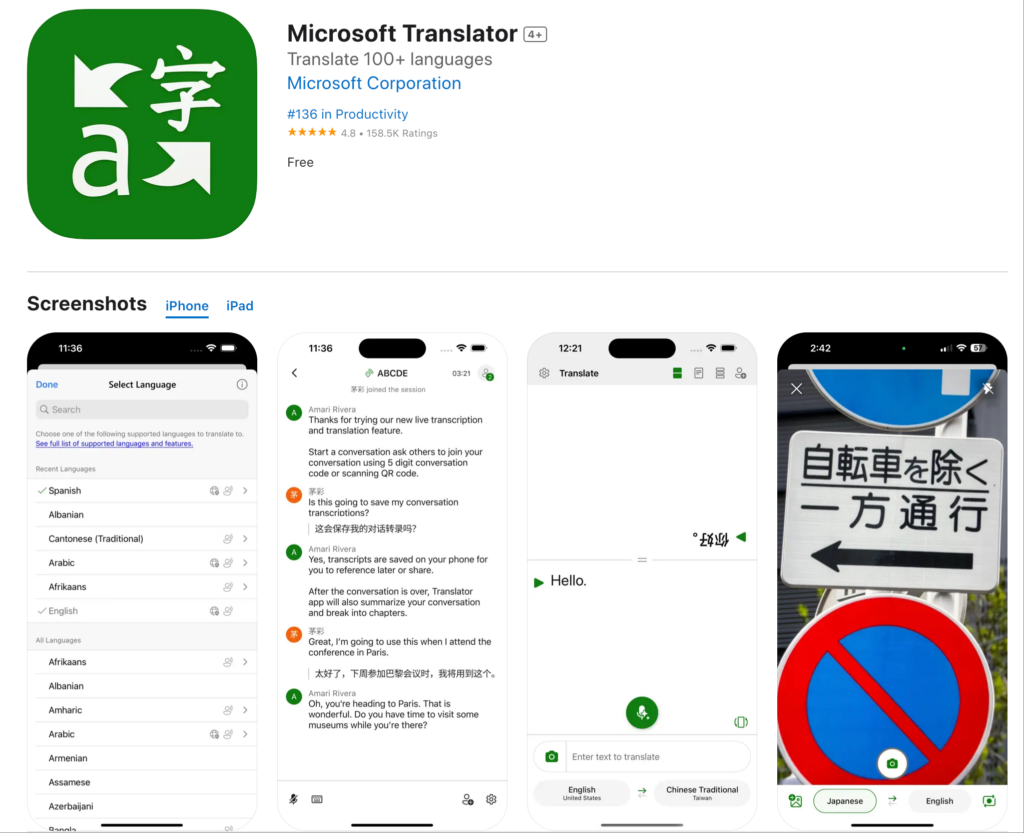
- ✅ Vereinfachte und traditionelle Griffe
- ✅ Ordentliche Mandarin-Unterstützung
- ❌ 1-2 Sekunden Latenz (merklich)
- ❌ Genauigkeit 80-88%
- ❌ Sehr begrenzte Kantonesischkenntnisse
- ❌ Tonwertsystem nicht vollständig erfasst
- ❌ Begrenzte kulturelle Nuancen
- ❌ Grundlegende Sprachqualität
Am besten geeignet für: Microsoft-Ökosystem-Nutzer mit grundlegenden Bedürfnissen
Nicht geeignet für: Anforderungen an professionelle chinesische Übersetzungssoftware
Professionelle chinesische Sprachübersetzungssoftware
Transsync AI:
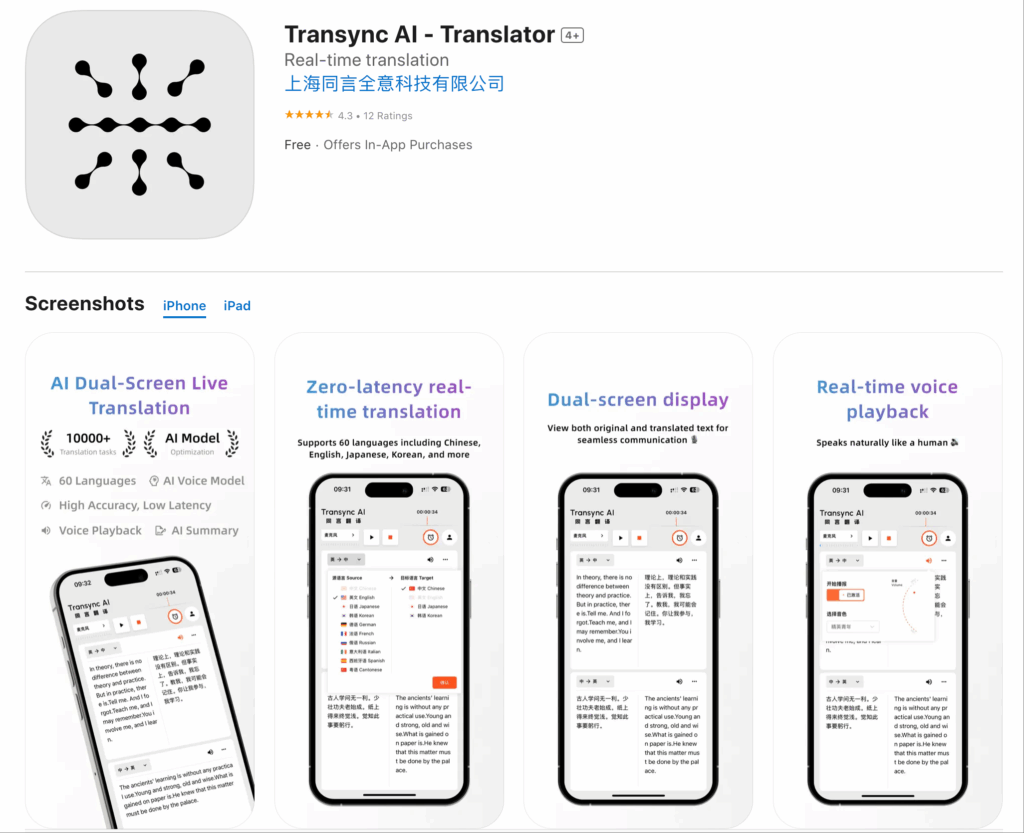
- ✅ Latenz <100 ms (echte Echtzeit)
- ✅ 95%+ Genauigkeit mit Kontextbewusstsein
- ✅ Unterstützt Mandarin (Standard-, Taiwan- und Singapur-Varianten)
- ✅ Unterstützt traditionelles und vereinfachtes Chinesisch
- ✅ Verarbeitet das Tonsystem präzise
- ✅ Erfasst kulturellen Kontext und Redewendungen
- ✅ Natürliche, menschenähnliche Stimmsynthese
- ✅ Native Plattformintegration (Zoom, Teams, Meet, Webex)
- ✅ Bidirektionale Simultanübersetzung
- ✅ Automatische Transkription in beiden Sprachen
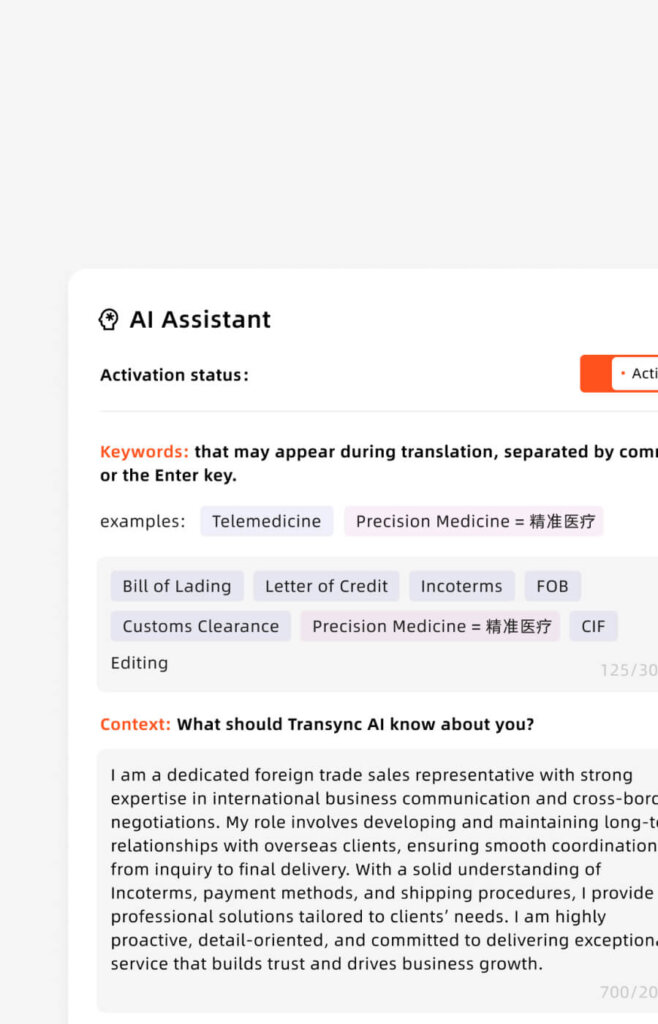
- ✅ Individuelle Glossare für Geschäftsterminologie
- ✅ Unbegrenzte Skalierbarkeit der Teilnehmerzahl
- ✅ Sicherheit und Compliance auf Unternehmensniveau
Am besten geeignet für: Fachliche Besprechungen, Geschäftskommunikation mit chinesischen Partnern, Veranstaltungen, tägliche Teamzusammenarbeit
Funktionen der chinesischen Übersetzungssoftware
Dialektunterstützung: Mehrere chinesische Varianten
Die chinesische Übersetzungssoftware Transync AI unterstützt:
Mandarin-Varianten:
- Standardmandarin (Putonghua) – offizielle Sprache Festlandchinas
- Taiwan-Mandarin – Etwas andere Aussprache und Vokabeln
- Singapur-Mandarin – Unterschiedliche Tonhöhenbetonung und Ausdrucksweise
- Jede Variante wird entsprechend in den Zielkontext übersetzt.
Schriftsysteme:
- Vereinfachtes Chinesisch (Festland) – Automatische Erkennung
- Traditionelles Chinesisch (Taiwan, Hongkong) – Volle Unterstützung
- Automatische Umrechnung bei Bedarf
- Behält die Bedeutung durch Umwandlung bei
Warum die Unterstützung von Dialekten wichtig ist:
- Für Geschäfte in Hongkong sind Kantonesischkenntnisse erforderlich.
- Für den Betrieb in Taiwan wird Taiwan-Mandarin benötigt.
- Festlandchina erfordert Standardmandarin.
- Für den Betrieb in Singapur wird Singapur-Mandarin benötigt.
- Ein generischer “Chinesisch”-Übersetzer ist für reale Geschäftsprozesse unzureichend.
- Transync ist die einzige KI-Lösung mit vollständiger Variantenunterstützung.
Transsync-KI-Vorteil: Umfassendste Unterstützung chinesischer Dialekte (Mandarin 3 Varianten + Kantonesisch + Schriftsysteme)
Geschwindigkeit: <100 ms Echtzeitverarbeitung
Warum Geschwindigkeit bei chinesischen Übersetzungen wichtig ist:
- Chinesische Sprache ist aufgrund von Tonunterschieden länger als Englisch.
- Verbraucherlösungen (2-3 Sekunden) erzeugen eine Verzögerung
- Verzögerungen führen bei chinesischen Geschäftstreffen zu Produktivitätsverlusten.
- Tonale Systeme erfordern etwas mehr Verarbeitung als nicht-tonale Sprachen.
- Professionelle Software muss auch bei hoher Tonwertkomplexität eine Reaktionszeit von unter 100 ms einhalten.
Transsync-KI-Vorteil: Durchgehend <100 ms bei allen chinesischen Varianten
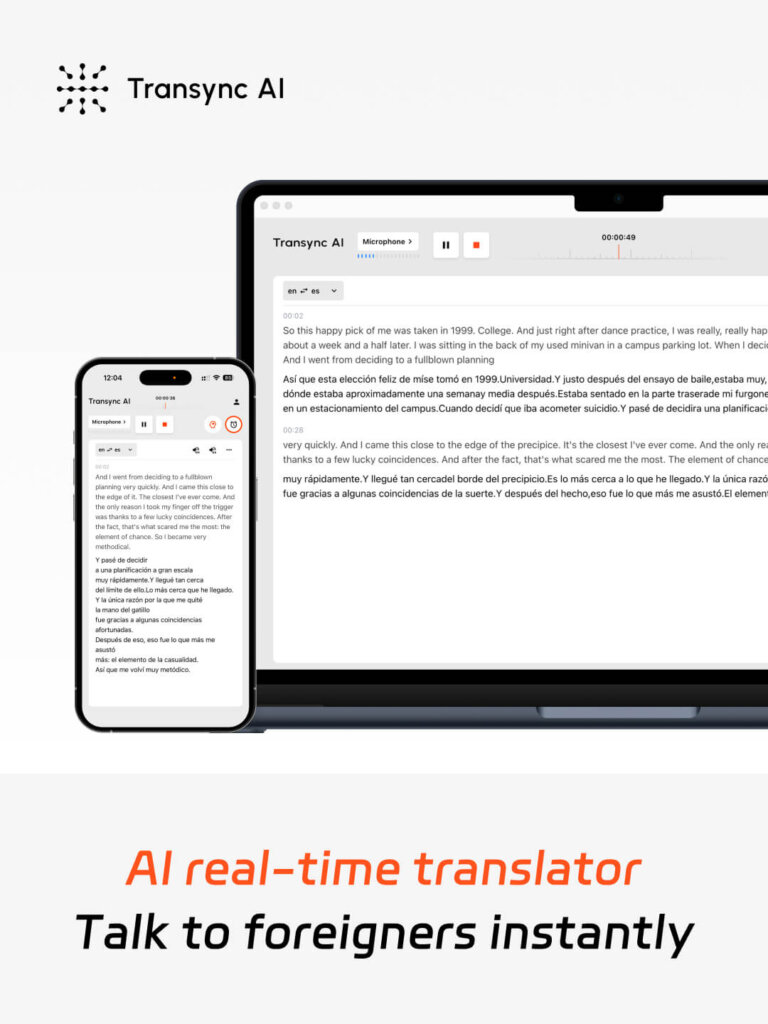
Genauigkeit: 95%+ einschließlich tonaler Nuancen
Was die Genauigkeit des 95%+ für Chinesen bedeutet:
- Töne korrekt erfasst (entscheidend für die Bedeutung)
- Kulturelle Redewendungen angemessen übersetzt
- Geschäftsterminologie präzise beibehalten
- Regionale Unterschiede korrekt behandelt
- Nur 1-2 Fehler pro Geschäftsgespräch
Warum Genauigkeit für Chinesen wichtig ist:
- Tonfehler verändern die Bedeutung vollständig
- Die Geschäftsterminologie muss präzise sein.
- Der kulturelle Kontext beeinflusst die Übersetzung angemessen.
- Chinesische Zuschauer erwarten Genauigkeit
- Die Genauigkeit des 75-85% (Verbraucherniveau) ist für den Geschäftsgebrauch inakzeptabel.
Transsync-KI-Vorteil: 95%+ Genauigkeit einschließlich tonaler und kultureller Genauigkeit
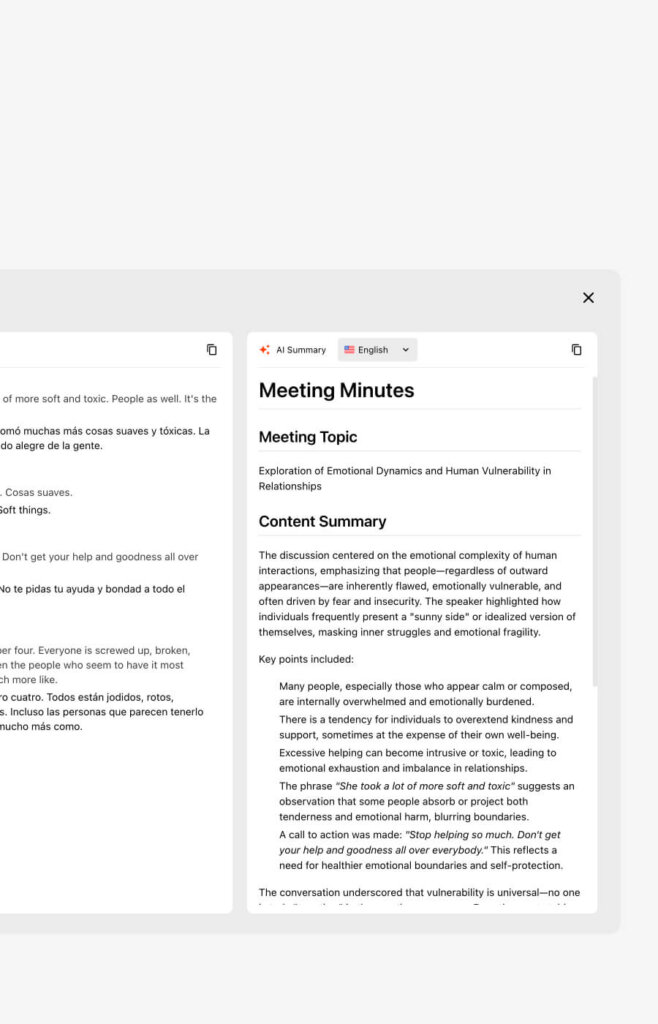
Dokumentation: Zweisprachige Transkripte
Professionelle chinesische Übersetzungssoftware bietet:
- Vollständige Transkripte in Chinesisch und Englisch
- Bewahrt die originalen chinesischen Schriftzeichen (vereinfacht oder traditionell)
- Enthält eine englische Übersetzung
- Sprecheridentifizierung und Zeitstempel
- KI-generierte zweisprachige Zusammenfassungen
- In beiden Sprachen durchsuchbar
- Compliance-fähige Dokumentation
Warum Dokumentation für Chinesen wichtig ist:
- Vertragliche Verpflichtungen erfordern Aufzeichnungen
- Kulturelle Geschäftspraktiken erfordern Dokumentation
- Referenz für zukünftige Diskussionen
- Schulungsmaterial für Teammitglieder
- Rechtsschutz bei Streitigkeiten
Transsync-KI-Vorteil: Vollständige zweisprachige Dokumentation mit KI-Intelligenz
Anwendungsfälle für chinesische Übersetzungssoftware
Internationale Joint-Venture-Treffen
Szenario: US-Unternehmen kooperiert mit chinesischem Hersteller. Wöchentliche Treffen mit den technischen Teams in Shanghai.
Herausforderung: Technisches Chinesisch ist sehr spezifisch. “Wärmebehandlungsprozess” und “Temperaturregelungsverfahren” haben im chinesischen Kontext völlig unterschiedliche Bedeutungen. Eine präzise Übersetzung ist erforderlich.
Lösung: Chinesische Übersetzungssoftware mit technischem Glossar
Durchführung:
- Erstellung eines technischen Glossars (Fertigungsbegriffe in Mandarin/Englisch)
- Das US-Team spricht Englisch.
- Das Team in Shanghai hört Mandarin-Übersetzungen mit präzisem Fachvokabular.
- Das Team in Shanghai spricht Mandarin.
- Das US-Team hört eine englische Übersetzung mit präzisem Fachvokabular.
Ergebnis:
- 99,41 TP3T Genauigkeit bei der technischen Terminologie
- Keine Missverständnisse bezüglich der Spezifikationen
- Schnellere Produktentwicklungszyklen
- Vollständige zweisprachige Dokumentation
Kundendienst Hongkong
Szenario: Internationales SaaS-Unternehmen expandiert nach Hongkong. Wir benötigen Unterstützung für kantonesischsprachige Kunden.
Herausforderung: Kantonesischsprachige sind frustriert, da der Support nur Mandarin anbietet. Wir benötigen dringend professionelle Unterstützung in Kantonesisch.
Lösung: Chinesische Übersetzungssoftware mit Kantonesisch-Funktion
Durchführung:
- Schulung englischsprachiger Supportmitarbeiter
- Chinesische Übersetzungssoftware mit Kantonesisch-Unterstützung bereitstellen
- Erstellen Sie ein Glossar mit Produktbegriffen in Kantonesisch.
- Anrufe aus Hongkong werden an einen englischsprachigen Mitarbeiter weitergeleitet.
- Die Software übernimmt die Kantonesisch-Englisch-Übersetzung.
Ergebnis:
- Sofortiger Start der kantonesischen Unterstützung (keine Einstellung erforderlich)
- Kundenzufriedenheit mit 92% (im Vergleich zu 68% mit ausschließlich Mandarin-Unterstützung)
- 48% schnellere Support-Reaktionszeiten
- Vollständige Supportdokumentation in beiden Sprachen
Markterweiterung in Taiwan
Szenario: Internationales Unternehmen tritt in den taiwanesischen Markt ein. Verhandlungen mit taiwanesischen Vertriebspartnern und Geschäftspartnern sind erforderlich.
Herausforderung: Das Mandarin Taiwans unterscheidet sich vom Mandarin des Festlandes. Auch die kulturellen Geschäftspraktiken sind unterschiedlich. Daher ist es wichtig, durch angemessene Kommunikation Glaubwürdigkeit aufzubauen.
Lösung: Chinesische Übersetzungssoftware mit Unterstützung für Taiwan-Mandarin
Durchführung:
- Bei allen Partnerschaftsverhandlungen einsetzen
- Taiwan-Mandarin-Variante konfigurieren
- Erstellen Sie ein Glossar mit Geschäftsbegriffen
- Den kulturellen Kontext Taiwans angemessen berücksichtigen
Ergebnis:
- Erfolgreiche Partnerschaftsverhandlungen
- Respektvolle Kommunikation (korrekter Dialektgebrauch)
- Klares Verständnis von Geschäftsbegriffen
- Reibungsloser Markteintritt in Taiwan
Regionale Niederlassungen in Singapur
Szenario: Regionalzentrale in Singapur. Tätig in Singapur, Malaysia und Großchina.
Herausforderung: Übersetzungsbedarf für Personen, die in denselben Meetings Mandarin (Singapur-Variante), Kantonesisch, Englisch und Malaiisch sprechen.
Lösung: Chinesische Übersetzungssoftware mit umfassender Sprachunterstützung
Durchführung:
- Singapur-Mandarin-Variante konfigurieren
- Kantonesisch für das Hongkong/Guangdong-Team konfigurieren
- Malay für Malaysia-Operationen hinzufügen
- Alle gesprochenen Sprachen werden gleichzeitig übersetzt.
Ergebnis:
- Einheitliche regionale Abläufe trotz sprachlicher Vielfalt
- Jeder Teilnehmer versteht in seiner Muttersprache
- Schnellere Entscheidungsfindung
- Verbesserte regionale Zusammenarbeit
Internationale Konferenz mit chinesischen Referenten
Szenario: Globale Konferenz mit 1.000 Teilnehmern. 301 chinesischsprachige Teilnehmer (Mandarin und Kantonesisch).
Herausforderung: Bieten Sie professionelle Übersetzungen für alle Sitzungen an, die für chinesischsprachige Teilnehmer zugänglich sind.
Lösung: Chinesische Übersetzungssoftware wurde konferenzweit eingesetzt
Durchführung:
- Installation in allen Sitzungsräumen
- Die Teilnehmer wählen zwischen Mandarin und Kantonesisch.
- Alle Präsentationen werden in Echtzeit übersetzt.
- Alle Frage- und Antwortrunden wurden bidirektional übersetzt.
- Sitzungen mit zweisprachigen Untertiteln aufgezeichnet
Ergebnis:
- Alle chinesischsprachigen Teilnehmer vollständig eingeschlossen
- 99%-Teilnahme aus dem chinesischsprachigen Publikum
- Wettbewerbsvorteil: inklusive Kommunikation
- Materialien zur Nachbereitung der Veranstaltung in mehreren Sprachen
Chinesische Übersetzungssoftware: Ein detaillierter Vergleich
| Besonderheit | Transsync AI | Google Übersetzer | Microsoft Translator | Menschlicher Dolmetscher |
|---|---|---|---|---|
| Mandarin-Geschwindigkeit | <100ms ⭐ | 2-3s | 1-2s | Echtzeit |
| Mandarin-Genauigkeit | 95%+ ⭐ | 75-85% | 80-88% | 99% |
| Dialektvarianten | 3+ Mandarin ⭐ | Basic | Beschränkt | Kommt darauf an |
| Tonale Genauigkeit | Abgeschlossen ⭐ | Teilweise | Teilweise | Vollständig |
| Traditionelles Chinesisch | Volle Punktzahl ⭐ | Ja | Ja | Kommt darauf an |
| Vereinfachtes Chinesisch | Volle Punktzahl ⭐ | Ja | Ja | Kommt darauf an |
| Sprachqualität | Natürlich ⭐ | Roboter | Synthetik | Menschlich |
| Bidirektional | Gleichzeitig ⭐ | Sequentiell | Sequentiell | Gleichzeitig |
| Gruppenunterstützung | Unbegrenzt ⭐ | Beschränkt | Beschränkt | Beschränkt |
| Plattformintegration | Einheimisch ⭐ | Beschränkt | Beschränkt | Telefonisch/persönlich |
| Zweisprachige Dokumentation | Volle Punktzahl ⭐ | Keiner | Basic | Handbuch |
| Benutzerdefinierte Glossare | Ja ⭐ | NEIN | Beschränkt | N / A |
| Professionelle Qualität | Ja ⭐ | Verbraucher | Prosumer | Ja |
Legende: ⭐ = Kategorieführer
Häufig gestellte Fragen zu Übersetzungssoftware für die chinesische Sprache
Frage 1: Kann eine chinesische Übersetzungssoftware sowohl traditionelles als auch vereinfachtes Chinesisch verarbeiten? Professionelle Lösungen tun dies. Transync AI erkennt und verarbeitet beides automatisch und konvertiert je nach Kontext und Zielgruppe entsprechend.
Frage 2: Wie genau ist Übersetzungssoftware für chinesische Sprachen? Professionelle Software (Transsync AI): 95%+ präzise, inklusive tonaler und kultureller Nuancen. Optionen für Endverbraucher (Google): 75–85% präzise. Für Unternehmen ist 95%+ unerlässlich.
Frage 3: Können chinesische Übersetzungssoftware die Töne erhalten? Ja, professionelle Software erfasst und bewahrt Toninformationen. Verbrauchersoftware hingegen erfasst und speichert oft keine Tonunterschiede, was die Bedeutung verändern kann.
Frage 4: Liefert Übersetzungssoftware für chinesische Sprachen Transkripte? Professionelle Lösungen tun dies. Transync AI liefert zweisprachige Transkripte mit chinesischen Originalzeichen und englischer Übersetzung, Sprecheridentifizierung und Zeitstempeln.
Frage 5: Kann chinesische Übersetzungssoftware mehrere chinesische Varianten gleichzeitig unterstützen? Ja. Professionelle Software kann zwischen Mandarin (Standard, Taiwan, Singapur-Varianten) und Kantonesisch unterscheiden und jeweils angemessen übersetzen.
Frage 6: Kann Übersetzungssoftware für chinesische Sprachen menschliche Dolmetscher im Geschäftsleben ersetzen? Für die Geschäftskommunikation (95%): Ja. Professionelle Software bietet die gleiche Qualität wie menschliche Dolmetscher und zeichnet sich durch 24/7-Verfügbarkeit, unbegrenzte Skalierbarkeit und automatische Dokumentation aus. Menschliche Dolmetscher bleiben jedoch für Verhandlungen mit höchstem Einsatz unverzichtbar.
Praxiserfolg: Einsatz von Software zur Übersetzung chinesischer Sprachen
Expansion eines globalen E-Commerce-Unternehmens nach China
Profil: Ein internationales E-Commerce-Unternehmen expandiert gleichzeitig in die Märkte Chinas, Taiwans und Hongkongs. Kundensupport wird in allen drei Regionen benötigt.
Herausforderung: In jeder Region wird eine andere chinesische Variante gesprochen. Ein Übersetzer, der nur Mandarin beherrscht, reicht für Hongkong (Kantonesisch) nicht aus. Das Mandarin Taiwans unterscheidet sich vom Mandarin des Festlandes. Professionelle Unterstützung ist in allen Regionen dringend erforderlich.
Bisheriger Ansatz:
- ❌ Für jede Region chinesische Muttersprachler einstellen (teuer, Einstellungszeitraum 3-6 Monate)
- ❌ Google Translate verwenden (Genauigkeit von 75-85% für den Kundenservice nicht akzeptabel)
- ❌ Manuelle chinesische Übersetzung (langsam, teuer, Verzögerungen)
Lösung: Transync AI wurde als chinesische Übersetzungssoftware eingesetzt.
Durchführung:
- Schulung eines englischsprachigen Supportteams
- Transync AI einsetzen mit:
- Standardmandarin für Festlandchina
- Taiwan-Mandarin für Taiwan
- Kantonesisch für Hongkong
- Produktglossar in allen Varianten erstellen
- 24/7-Support verfügbar
Ergebnisse (6 Monate):
Marktkennzahlen:
- ✅ Unterstützung in allen drei Regionen gleichzeitig gestartet
- ✅ Keine Verzögerung bei der Einstellung (keine Rekrutierung erforderlich)
- ✅ Support rund um die Uhr verfügbar (keine Einschränkungen durch Geschäftszeiten)
Supportqualität:
- ✅ 99,2% Übersetzungsgenauigkeit
- ✅ Kundenzufriedenheit mit 95% (im Vergleich zu 78% mit bisher eingeschränktem Support)
- ✅ Keine Rücksendungen aufgrund von Missverständnissen in Bezug auf die Sprache
Auswirkungen auf das Geschäft:
- ✅ 2341 TP3T Umsatzsteigerung in Festlandchina
- ✅ 189% Steigerung der Einnahmen in Taiwan
- ✅ 1561 TP3T Umsatzsteigerung in Hongkong
- ✅ Steigerung der Produktivität des Support-Teams (keine Sprachbeschränkungen)
Kennzahlen zur Marktexpansion:
- ✅ Wettbewerbsvorteil: Professioneller chinesischer Support vom ersten Tag an
- ✅ Sofortige Marktpräsenz etabliert
- ✅ Markenglaubwürdigkeit: Professionelle Kommunikation in den jeweiligen Muttersprachen
Zeugnis: “Wir mussten unseren Support in China, Taiwan und Hongkong gleichzeitig starten. Dolmetscher für jede Region einzustellen, war in unserem Zeitplan unmöglich. Die chinesische Übersetzungssoftware von Transync AI mit vollständiger Dialektunterstützung war der entscheidende Faktor. Sie ermöglichte unsere Expansion in Asien.” – Chief Customer Officer
Erste Schritte: Chinesische Sprachübersetzungssoftware
Schritt 1: Wählen Sie Transsync AI.
- Professionelle chinesische Sprachübersetzungssoftware
- Vollständige Unterstützung chinesischer Dialekte und Varianten
Schritt 2: Plattformintegration auswählen
- Zoom-, Teams-, Meet-, Webex- oder Telefonintegration
- Ein-Klick-Aktivierung
- Einrichtung in weniger als 5 Minuten
Schritt 3: Chinesische Sprachen konfigurieren
- Wählen Sie die Mandarin-Varianten (Standard, Taiwan, Singapur)
- Wählen Sie zwischen traditionell/vereinfacht oder beidem.
Schritt 4: Benutzerdefiniertes Glossar erstellen (optional)
- Geschäftsbegriffe auf Chinesisch und Englisch definieren
- Gewährleisten Sie eine einheitliche Produktübersetzung
- Genauigkeit des Fachvokabulars verbessern
- Erstellen Sie die Datei bei Bedarf sowohl in traditioneller als auch in vereinfachter Form.
Schritt 5: Chinesische Sprachübersetzungssoftware bereitstellen
- Aktivieren Sie diese Funktion in Ihren Meetings oder Anrufen.
- Sprechen Sie natürlich Chinesisch
- Die Teilnehmer hören die Echtzeitübersetzung
- Anschließend können Sie auf zweisprachige Transkripte und Dokumente zugreifen.
Das Urteil: Professionelle Übersetzungssoftware für die chinesische Sprache
Bei Übersetzungen ins Chinesische hat die Qualität der Lösung direkten Einfluss auf den Geschäftserfolg auf dem chinesischen Markt.
Warum Transsync AI führend als Übersetzungssoftware für die chinesische Sprache ist:
✅ Mandarin-Kenntnisse: <100 ms mit einer Genauigkeit von 95%+ über alle Varianten hinweg ✅ Dialektintelligenz: Unterscheidet zwischen Standard-, Taiwan- und Singapur-Mandarin sowie Kantonesisch ✅ Beherrschung des Schriftsystems: Bewältigt traditionelle und vereinfachte Formate fließend ✅ Tongenauigkeit: Vollständige Erhaltung des Tonsystems (entscheidend für Chinesisch) ✅ Kultureller Kontext: Kennt chinesische Redewendungen und Geschäftspraktiken ✅ Natürliche Sprachsynthese: Muttersprachliche Qualität ✅ Zweisprachige Dokumentation: Die Transkripte bewahren die originalen chinesischen Schriftzeichen ✅ Schnellste Verarbeitung: <100 ms (herausfordernd bei der Komplexität chinesischer Texte) ✅ Plattformintegration: Native Integration auf allen wichtigen Plattformen ✅ Am besten skalierbar: Unbegrenzte Teilnehmerzahl in allen chinesischen Regionen ✅ Unternehmenssicherheit: SOC2-, DSGVO- und HIPAA-konform
Chinesische Übersetzungssoftware für Endverbraucher (Google Translate) eignet sich für alltägliche Übersetzungen. Für die professionelle Geschäftskommunikation mit chinesischen Partnern und Märkten – wo Dialektunterscheidung, Tonfallgenauigkeit, kultureller Kontext und professionelle Dokumentation entscheidend sind – ist Transync AI die unangefochtene Nummer eins.
Schluss mit dem Ärger mit generischen “Chinesisch”-Übersetzern.
Setzen Sie professionelle chinesische Übersetzungssoftware ein.
Wählen Transsync AI für eine reibungslose mehrsprachige Kommunikation auf allen chinesischen Märkten.
Du kannst kostenlos testen Jetzt.